08.03.2026
Muses of Science: A Dancer, an Ornithologist, and a Kurdish Beauty
"We should put women as beautiful as this in our movies!" — this phrase could serve as a common thread uniting the portraits of five female scholars whose monographs, housed in the RUDN University library, tell stories not only of beetles, birds, and ancient figurines, but also of courage, beauty, and a passion for discovery
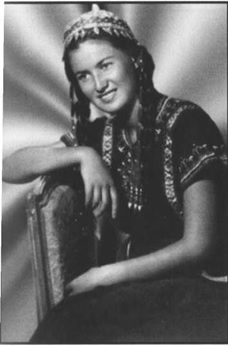
Maya Gaipovna Nepesova (1932-2021) was a magnificent dancer and a participant in the All-Union Student Spartakiad, who famously swam across the Karakum Canal on a dare. She was an Honored Worker of Science and Technology of Turkmenistan and one of the compilers of the Red Data Book of Turkmenistan, which has included 43 species of insects since 1999.
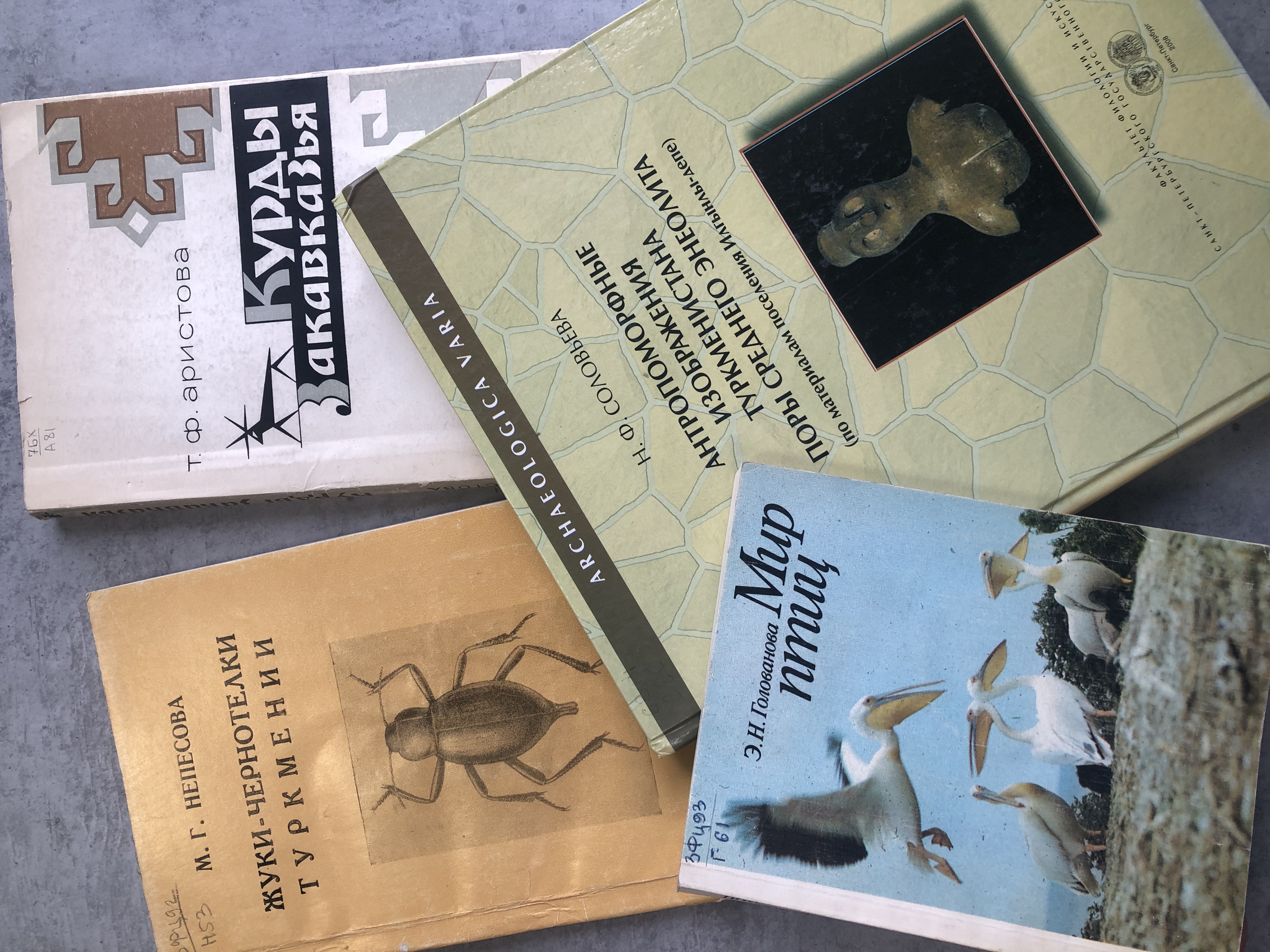
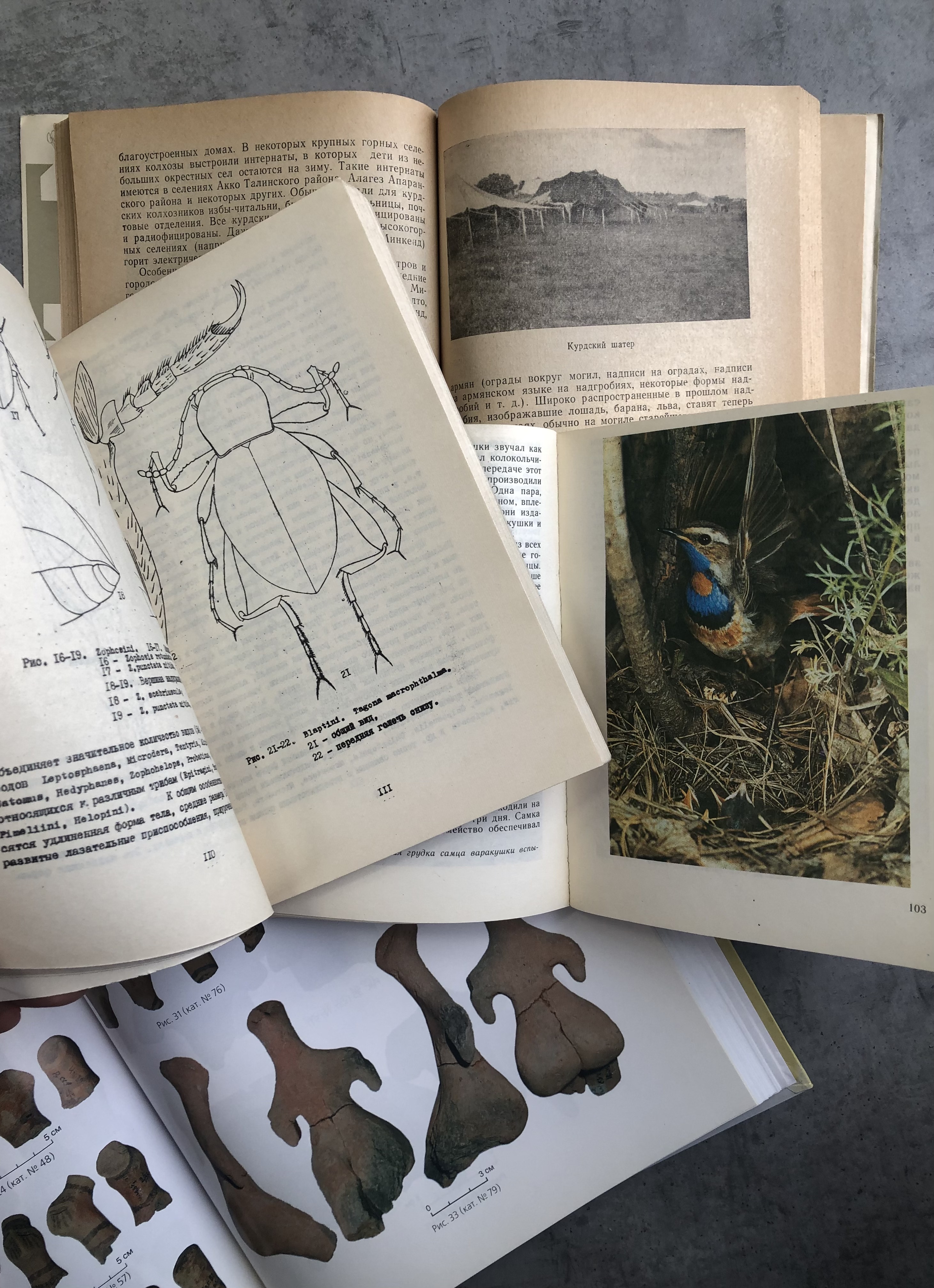
The RUDN library holds the first monograph by M.G. Nepesova, "Darkling Beetles of Turkmenia" (1980), a rare edition (500 copies) about widespread species of darkling beetles, classifying them by their habitats and biocenoses.
Another bibliographic rarity from the RUDN library is "The Kurds of Transcaucasia" (1966). This is the first monograph by Tatyana Fyodorovna Aristova (1926-2003), one of Russia's leading Kurdologist-ethnographers. In 1996-1997, Tatyana Fyodorovna taught a special course for Kurdish students at RUDN.
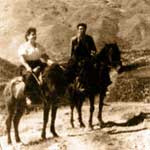
Her field research was unique: sometimes on foot, sometimes on horseback, she would reach the highland villages of Azerbaijan (1957). During her first expedition to the Kurds of Armenia (1951), she spent a night on the road between two villages in a sleeping bag. Local farm women joked, "...such a beauty, and all 'packaged' in a bag, lay right on the road all night, and our men slept right through it!" (ezdixane.ru›2005/03/31).
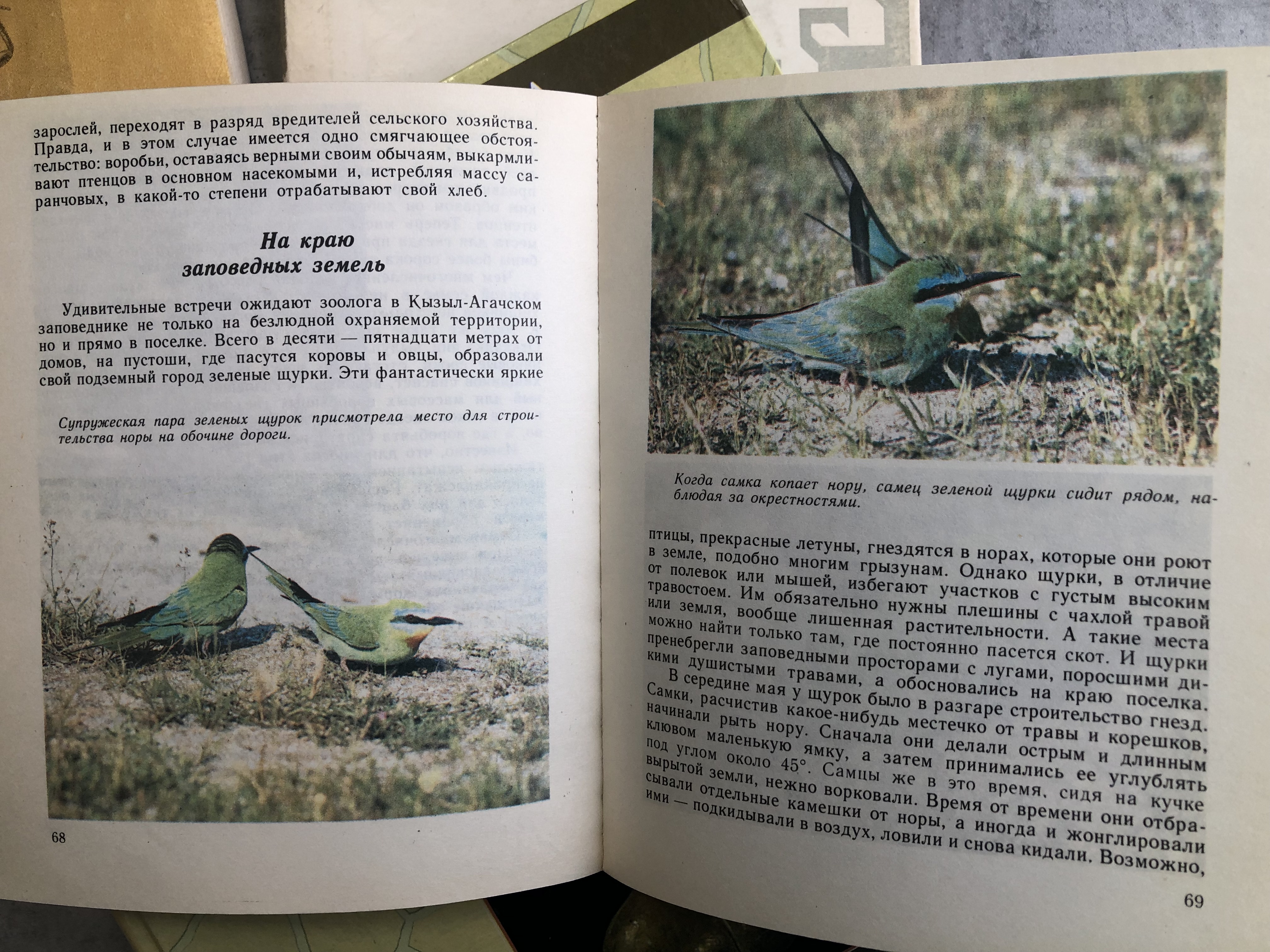
"When the female digs a burrow, the male European bee-eater sits nearby, keeping watch over the surroundings" – from the observations of wildlife photographer Emilia Nikolaevna Golovanova (1927–1999), one of the founders of agricultural ornithology. She never returned straight home from business trips, instead heading off to "hunt" for birds with her camera in the nearest nature reserve. This is recalled by her son, Alexey Nikanorov, whose birthplace was the village near which his mother's 1953 field season took place.
The book "The World of Birds" (1985) from the RUDN library is the first part of E.N. Golovanova's trilogy, dedicated to birds inhabiting protected areas. It was followed by "Birds Above the Fields" (1987) and "Birds Near the Home" (1999).
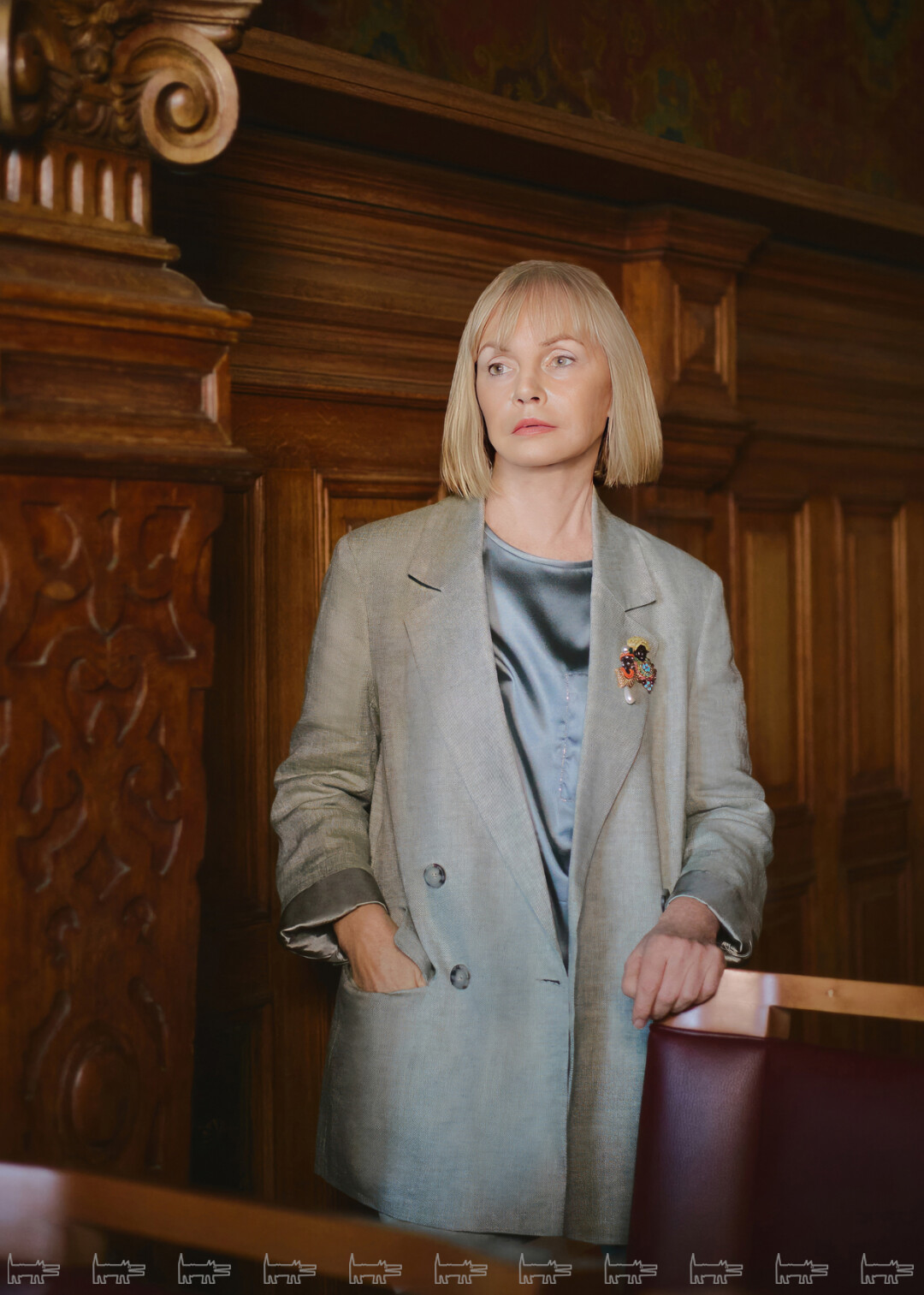
The monograph "Anthropomorphic Images of Turkmenistan" (2008) takes us back to the Karakum Desert of the Eneolithic era. The excavation of a destroyed settlement in the south of the republic was led by archaeologist Natalya Fyodorovna Solovyova. Half of this small-circulation publication (800 copies) is a catalog of figurines, while the other half consists of tables and descriptions. Through clay fragments of human-shaped sculpture, Natalya Fyodorovna reconstructed elements of the ritual culture of farmers from a pre-literate era. Today, she leads a project for the reconstruction of legendary Palmyra, a project that has been suspended due to the situation in Syria.