15.05.2026
The Mystery of the Burned plays: Bulgakov in Vladikavkaz
135 years since the birth of the Russian writer
The years 1920-1921 in the North Caucasus were a time of flourishing national cultures, the creation of numerous national drama circles and a shortage of revolutionary plays. Then Tamara Tontovna Malsagova (1896-1986), from the Vladikavkaz Art department, recruited her colleague Mikhail Bulgakov to work as a playwright.
Who is it? - he quickly asked in a whisper [K.S. Stanislavsky] Stanitsyna, without recognizing the actor.
– Bulgakov.
"Which Bulgakov?"
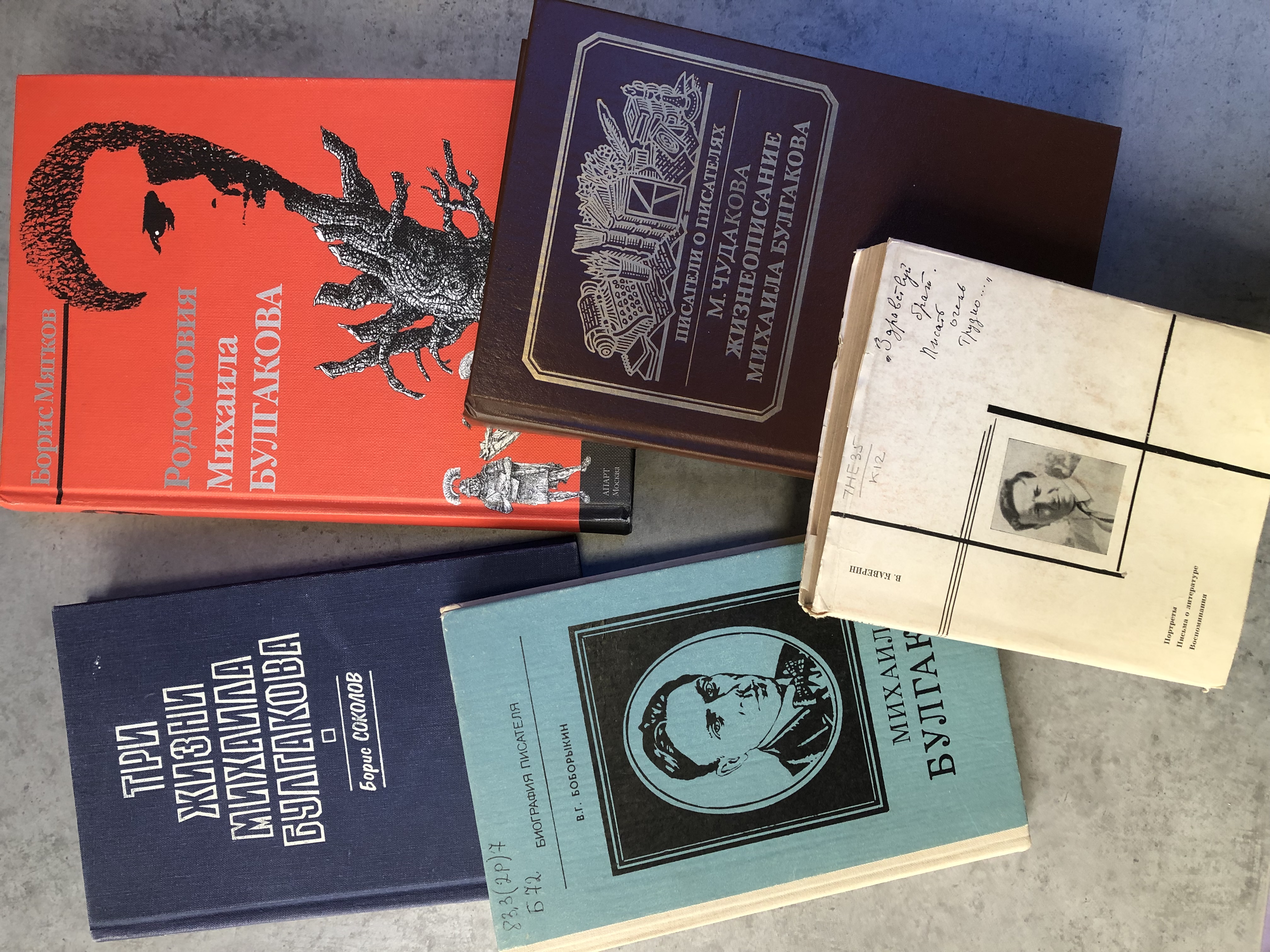
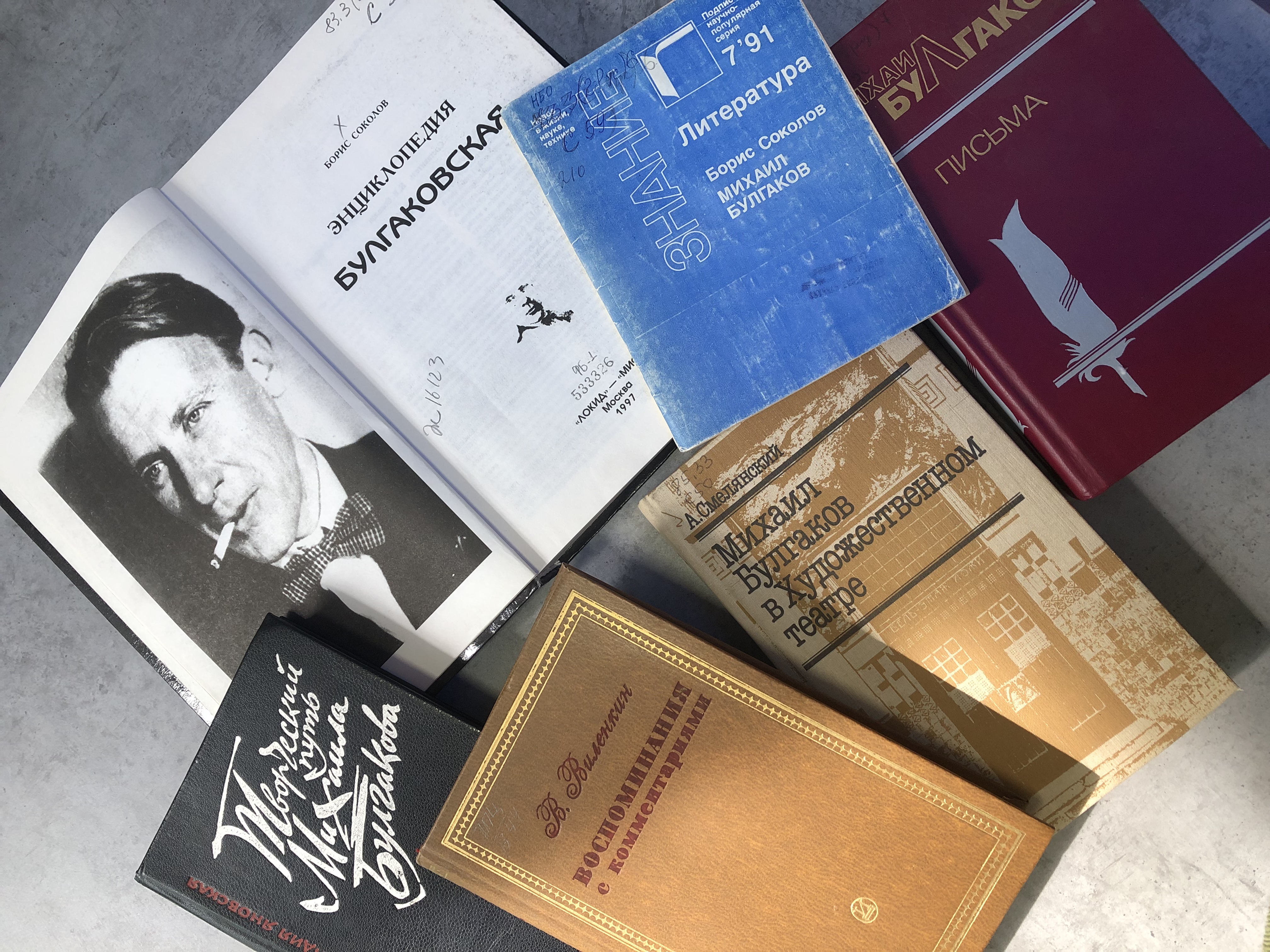
– Yes, our, our Bulgakov, the writer, the author of "The Turbins" (V.Ya. Vilenkin)
Mikhail Afanasievich Bulgakov (1891-1940), Russian writer and playwright. His "Notes of a Young doctor" and "Morphine" (1925-1927) remind of his former profession. Arriving in Vladikavkaz as a doctor: "At the beginning of the 20th year, I dropped my rank with honors and wrote" (Letters, 1989).
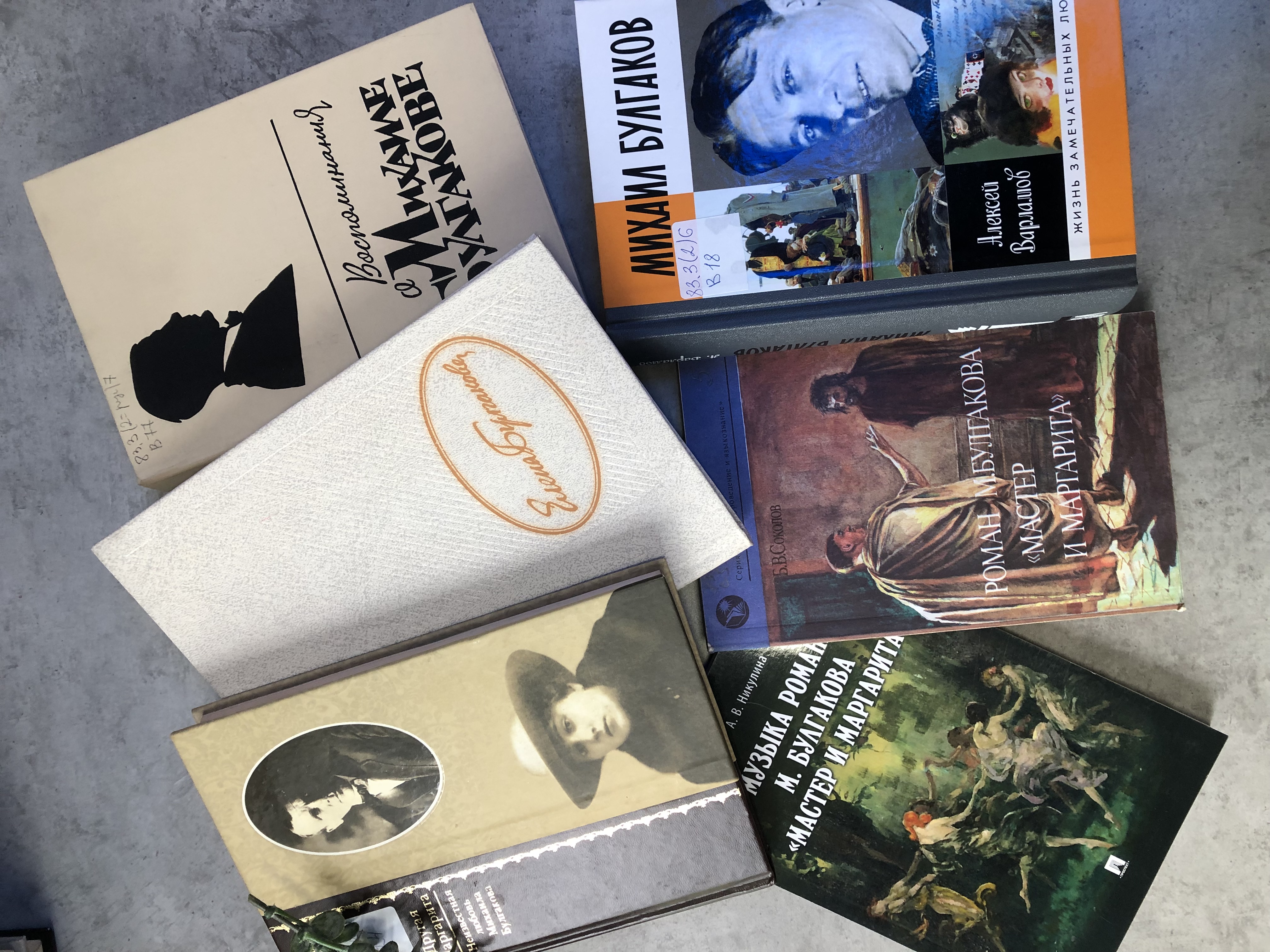
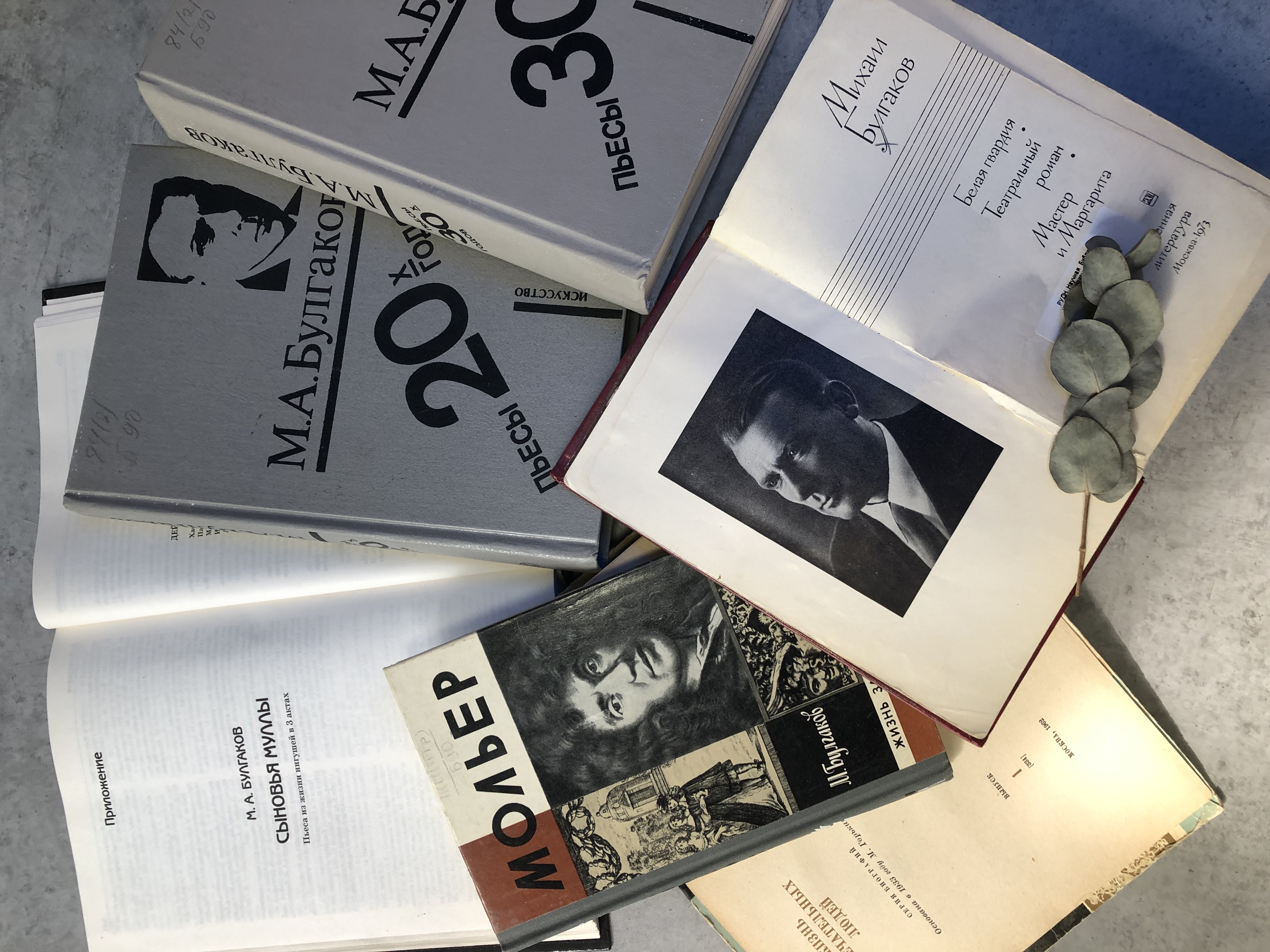
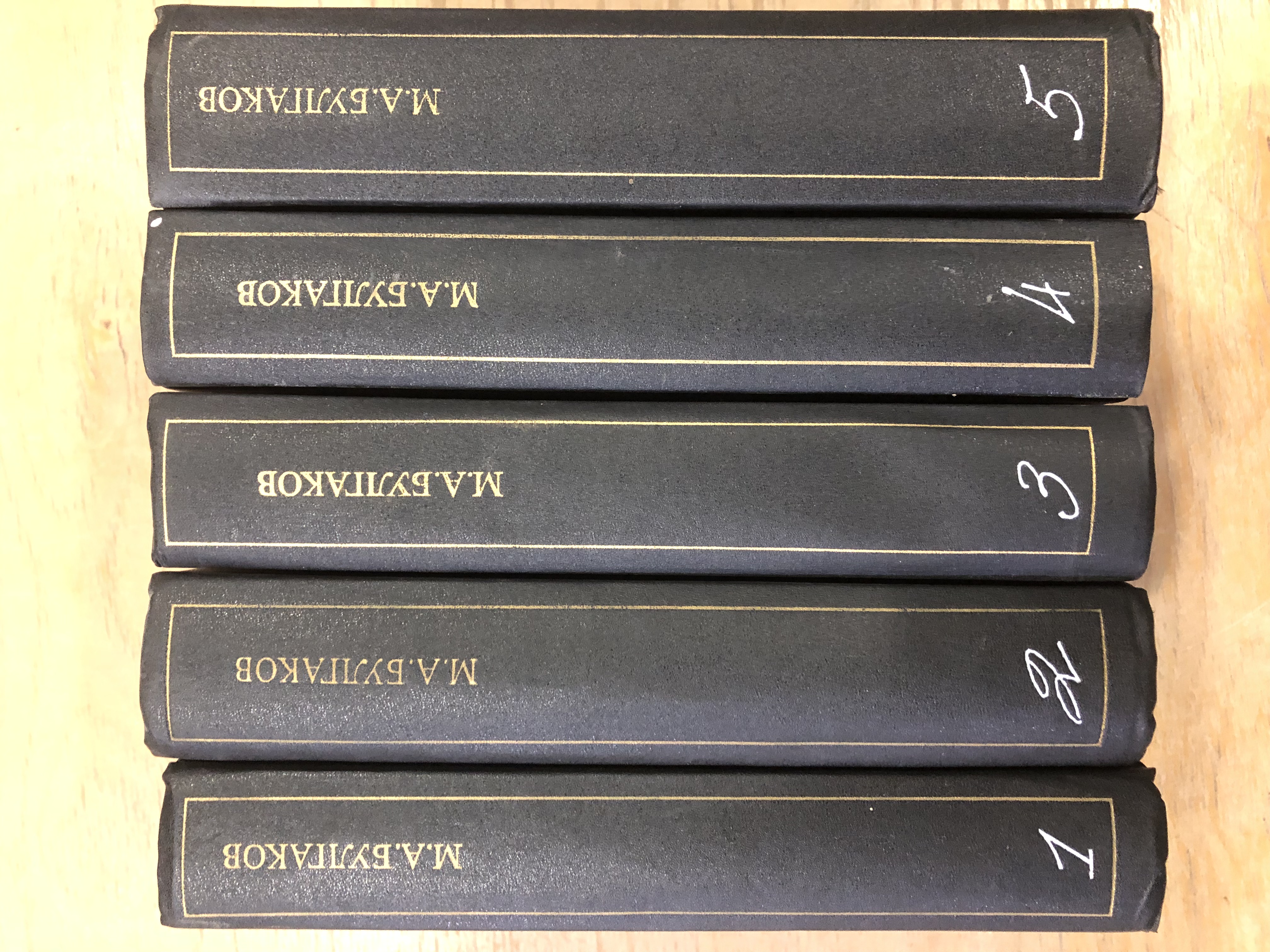
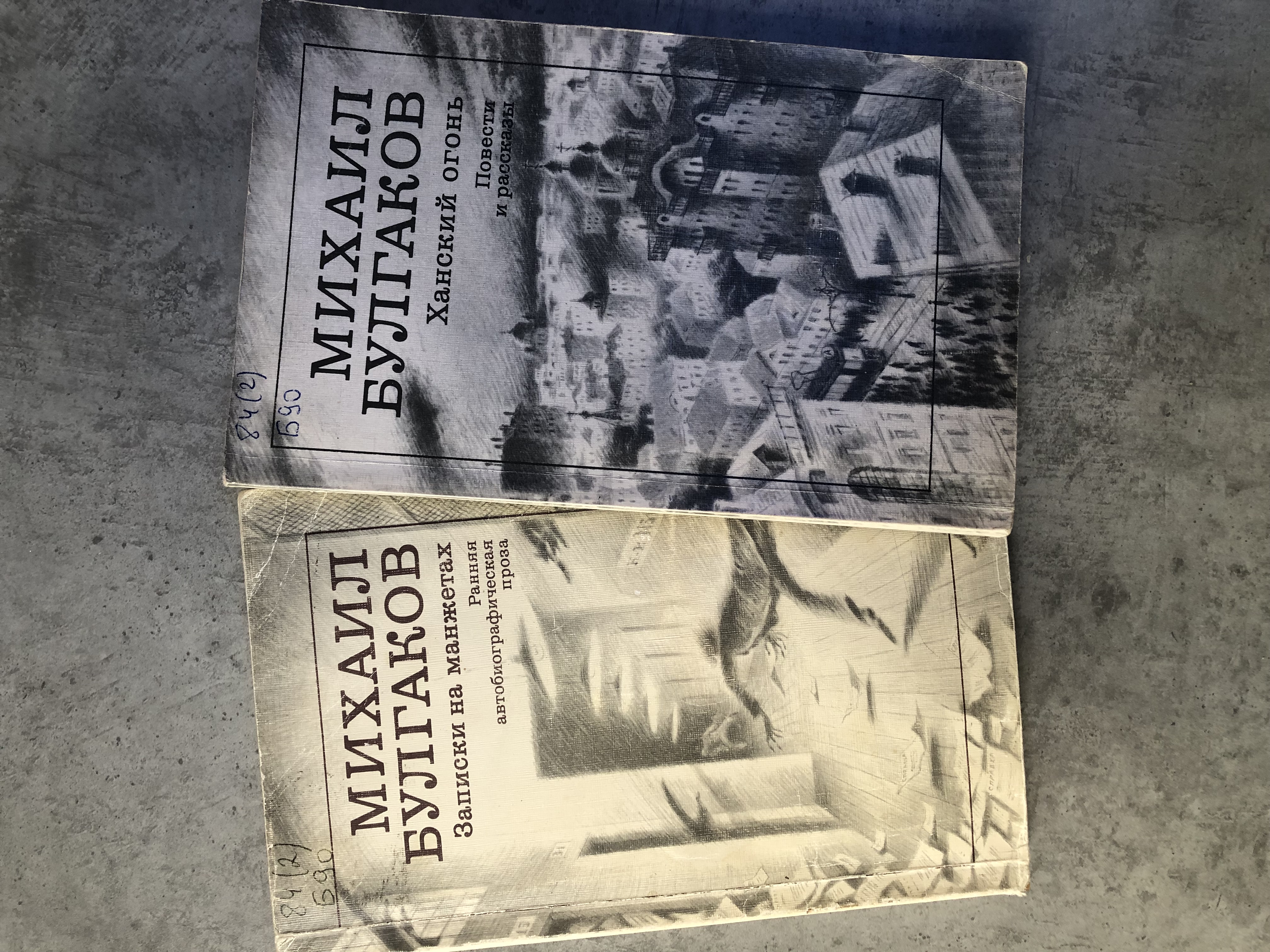
There are very few lifetime publications by M.A. Bulgakov. Even plays played hundreds of times were not published. In the RUDN University library, therefore, you will find many works by Mikhail Bulgakov, which are considered either simply the first ("The Life of Mr. de Moliere", 1962), or the first iconic ("The White Guard. A theatrical novel. The Master and Margarita", 1973) or the first Russian (Collected Works in 5 volumes, 1989-1990), or the first scientific ("Theatrical Heritage": Plays of the 1920s, 1989; Plays of the 1930s, 1994) editions.
"Turbines" ... went with a bang of success... And it's my dream come true... but how ugly: instead of a drama about Alyosha Turbin... a hastily made, immature thing...". The author burned an early version of the drama "The Turbine Brothers" and other plays written for the "First Soviet Theater" in Vladikavkaz in Moscow while working on "The White Guard" (1923): "I hope that not a single copy of them remains anywhere" ("Letters", 1989).
There is a prompter's copy of "Sons of the Mullah" for the Ingush theater in Russian. Open his first publication in the Bulgakovskaya Encyclopedia (1997) from the RUDN University Library. The fee for this production, which was warmly accepted by the local population, allowed the author to leave Vladikavkaz.
The new play The Days of the Turbins (1926), based on the novel The White Guard, covered the Moscow Art Theater with a flood of "human waves": "And then I felt in you a director (and maybe an artist?!)," writes Konstantin Sergeyevich Stanislavsky (1863-1938) from Badenweiler.