06.10.2026
From "Consuelo" to "The Creative Class"
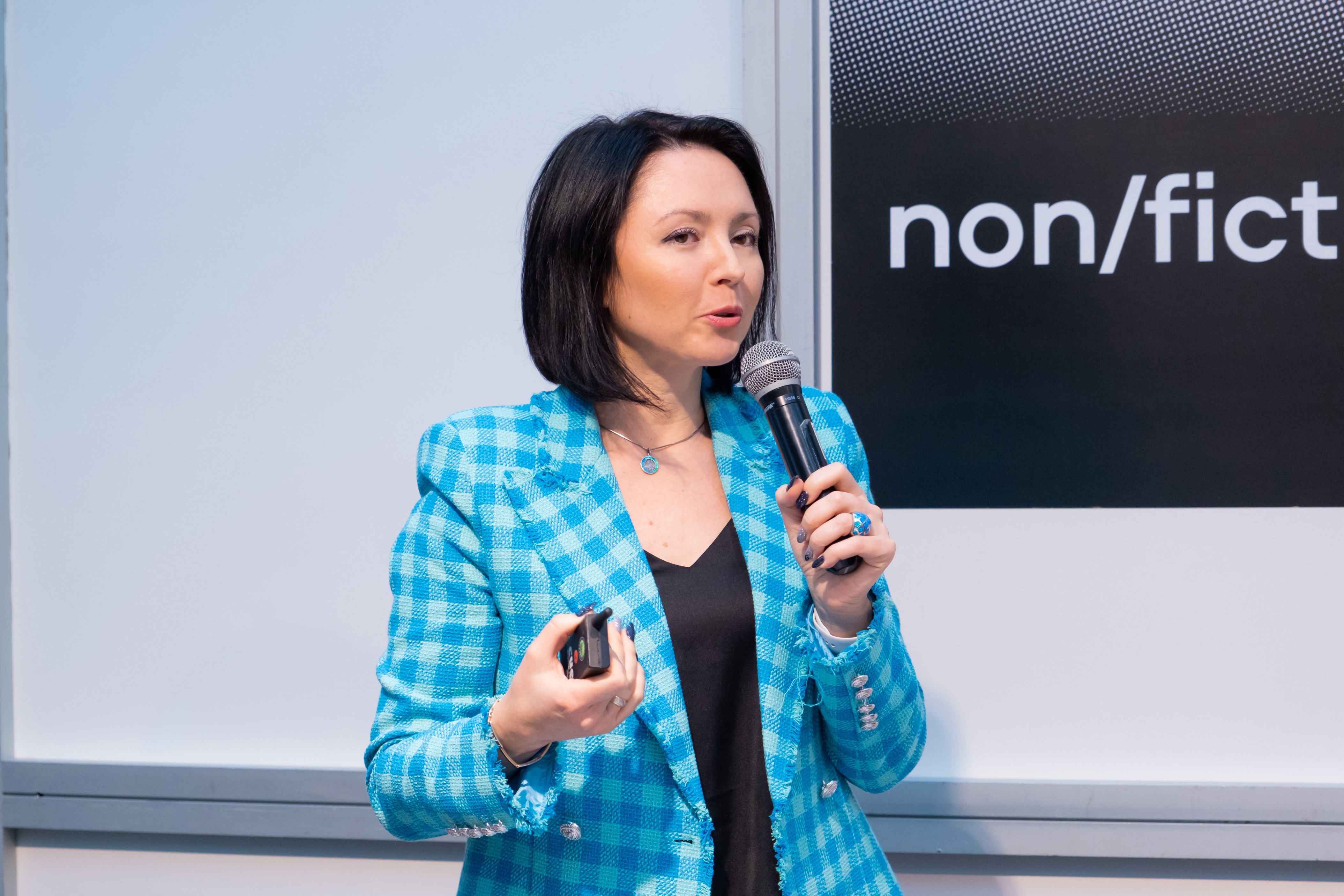
Top 5 books of Rogacheva Maria Vasilyevna, Director of the ICC "Interclub" at RUDN University, which shape worldview, help in management, and open the path to understanding cultures.
The way we think, what we define as most important for ourselves, and ultimately — how we live — is all the result of what enters our minds and hearts, and not least — through the books we choose. Remember these lines by Vladimir Vysotsky:
"…If you carved your path with your father's sword,
If you wiped salty tears on your moustache,
If in fierce battle you learned what things cost, —
Then you read the right books in childhood!"
2. George Sand — "Consuelo" and "The Countess of Rudolstadt"
My dad always loved books, collected a home library, and we went to bookstores together, including second-hand ones, and it was with him that I first entered a library. During my school years, on his advice, I read George Sand and passionately fell in love with her novels; my forever favourites have remained "Consuelo" and the sequel — "The Countess of Rudolstadt".

2. Tatiana Grigorieva — "Dao and Logos"
And at that same time, in my senior years at school, having become interested in Eastern philosophy, I dreamed of finding a book by the renowned orientalist and culturologist Tatiana Grigorieva, which had been recommended to me — "Dao and Logos." I found it by chance at a book stall in the State Museum of the East, which I loved very much and where we had come together with my classmates. And although at that age it was rather difficult for me to read, it made an indelible impression on me. The book allowed me to touch the foundations of Western and Eastern cultures, to understand that at their core lie the worldview attitudes of the ancient Chinese and ancient Greeks: how they understood harmony and chaos, the relationship between man and the cosmos, and much more. Different paths of cognition gave rise to the features of the Greco-Christian and Buddhist-Daoist worlds, which should not oppose but complement each other. An important place in the book is occupied by the ethical aspect — reflections on good and evil, on the purpose of man and the meaning of his life.
3. Jostein Gaarder — "Sophie's World"
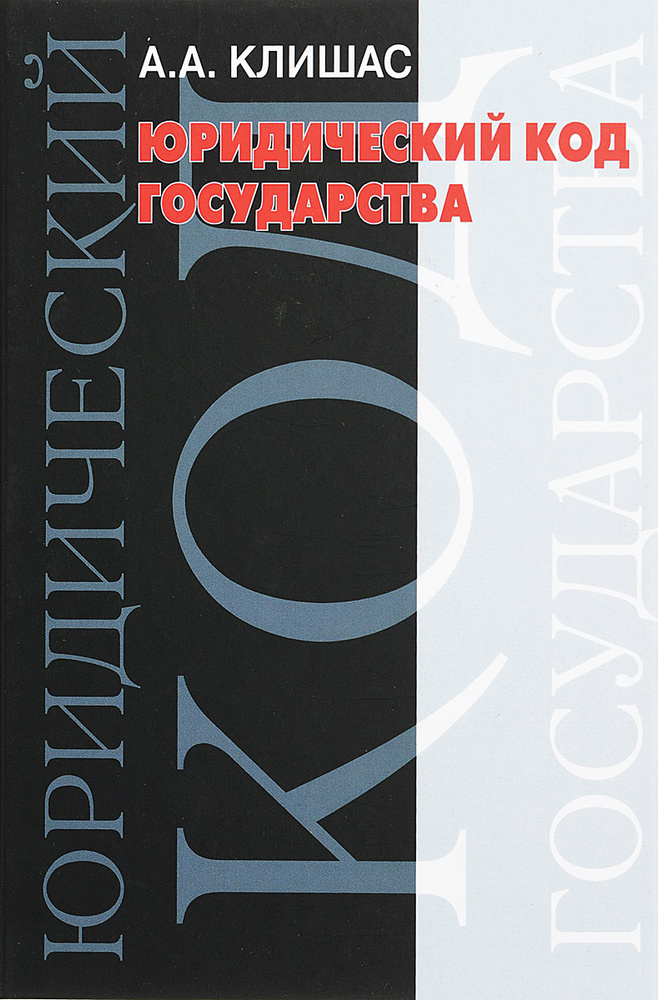
While preparing for philosophy exams, I discovered a wonderful book, "Sophie's World" by the Norwegian writer Jostein Gaarder. In a light and engaging form, you study (or recall) the history of all Western philosophy. The author explains the concepts of the great philosophers (from Thales of Miletus to Heidegger) in simple and clear language, and what is especially remarkable — with everyday examples.
4. Frederic Laloux — "Reinventing Organizations"
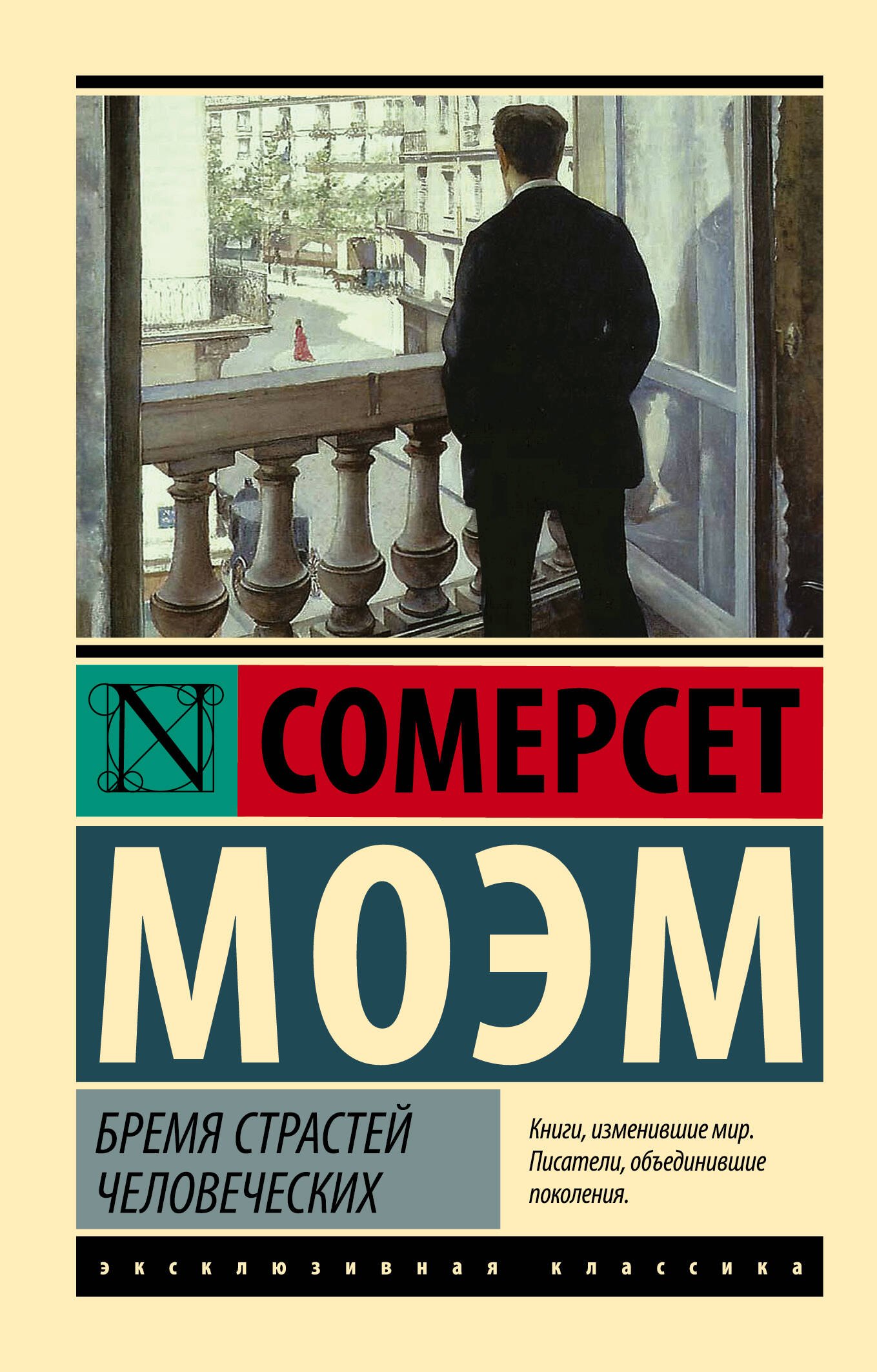
When I became a manager, I faced a number of problems and tasks that required quick responses and certain knowledge that I did not have. For effective work, it was important for me to fill these gaps: periodically through professional development courses, and also by reading relevant management literature. More than others, I was inspired by Frederic Laloux's book "Reinventing Organizations." He writes about "teal organizations," in which the management model is based on self-management, wholeness, and evolutionary purpose. Observing from within the management system in classical public-sector organizations and in executive authorities, I did not immediately believe in Laloux's ideas — they seemed to me something beautiful but unrealistic. But over time I realized that some principles not only can but should be introduced into management practice, even in rigid hierarchical structures.
5. Richard Florida — "The Rise of the Creative Class: And How It's Transforming Work, Leisure, Community and Everyday Life"
Having worked in culture for many years, I, of course, could not pass by the books of Richard Florida, the American sociologist who brought the concept of the "creative class" into wide circulation. His book "The Rise of the Creative Class: And How It's Transforming Work, Leisure, Community and Everyday Life" I recommend not only to those for whom creative activity is their professional sphere, but also to sociologists, economists, managers, HR specialists, entrepreneurs, and innovators, as well as, of course, students and researchers in the fields of sociology, economics, and management.
To participate in the TOP-5 BOOKS section, send your submissions to: ayibova-ev@rudn.ru — Your Academic Cat