03.11.2026
From Science and Religion to Inclusive Education
Top 5 books of Kasimova Yegana Shakir-kyzy, 1st-year postgraduate student of the Department of Psychology and Pedagogy of the Faculty of Philology at RUDN University, which help to understand the complex relationship between science and faith, the nature of human alienation, and the value of an inclusive approach
1. Spencer Nicholas — "Magisteria: The Entangled Histories of Science & Religion"
One of the best books of 2023 according to The Economist. A large-scale and profound study of the relationship between science and religion: not a war between reason and faith, but the complex interaction of two ways of understanding the world. From Galileo, Newton, and Darwin to Einstein and artificial intelligence — a grand story of how faith and reason together shaped the modern understanding of the world and of man. For centuries, science and religion have been perceived as enemies: Galileo against the Inquisition, Darwin against the church, reason against faith. But the true history of their relationship is far more complex — and far more interesting. Science and religion have never existed in isolation: they argued, clashed, pushed each other toward new ideas, and returned again and again to the same questions — about the world, man, freedom, and the future. From ancient philosophers and Islamic scholars to Newton, Darwin, Freud, Soviet cosmonauts, and Silicon Valley techno-utopians — this book leads the reader through 2,000 years of discoveries, conflicts, alliances, and delusions. Nicholas Spencer dismantles the great myths about the eternal confrontation between science and religion and shows that behind them lies a living, complex, and captivating history. It is about how people tried to understand the structure of the Universe, the origin of life, human nature, the limits of knowledge, and the meaning of the future — and about why science and religion found themselves side by side again and again, even when they argued with each other
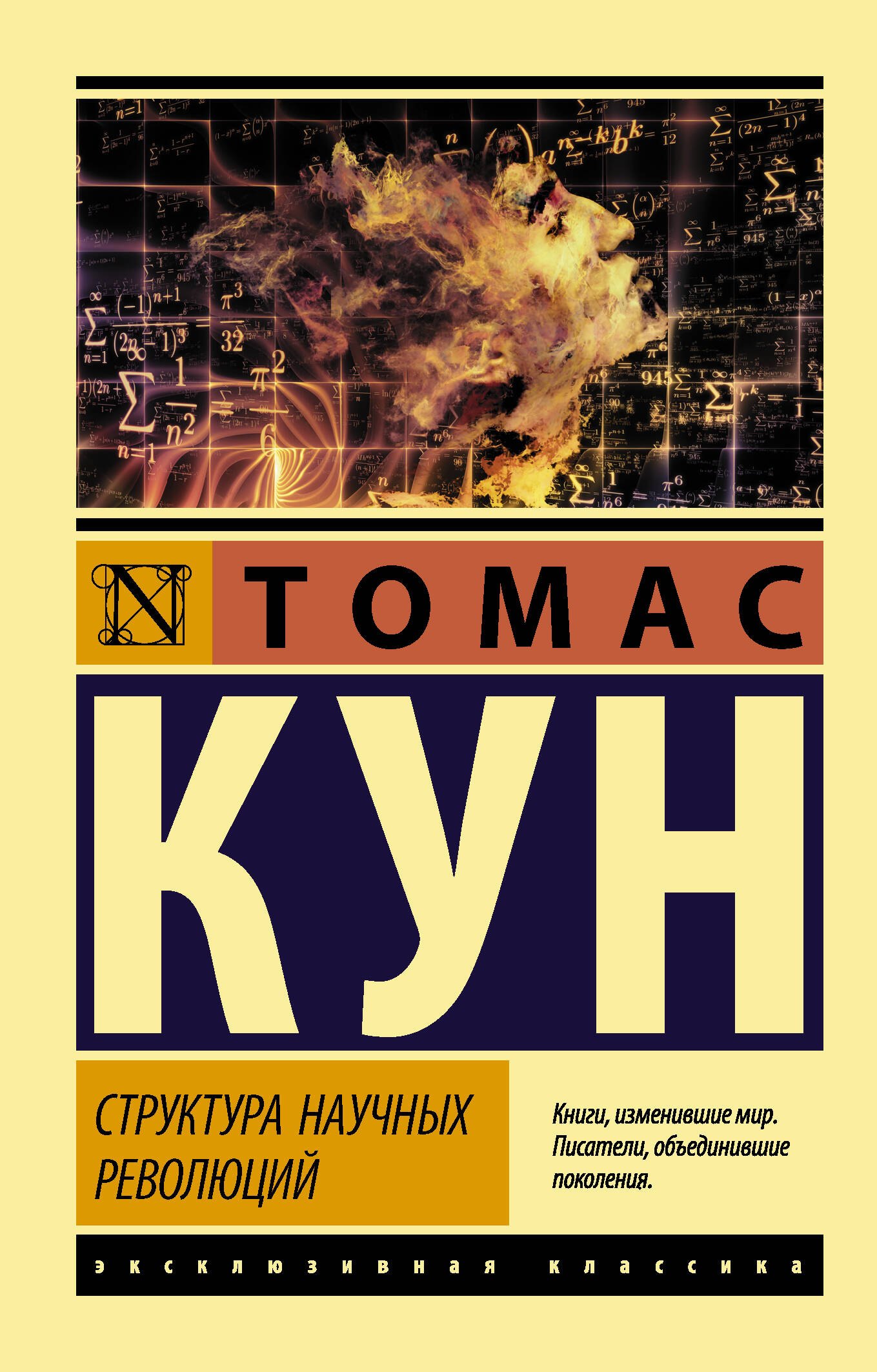
2. Mikhail Yuryevich Lermontov — "A Hero of Our Time"
The novel "A Hero of Our Time" is perhaps the most perfect prose work of the first half of the 19th century in the genre of socio-psychological realism. The ideological and plot center is not events, but the personality of the main character, officer Grigory Pechorin. In his image, Lermontov combines the features of the "superfluous man" and the Byronic hero. And the critic Belinsky noted the resemblance of Pechorin to his creator
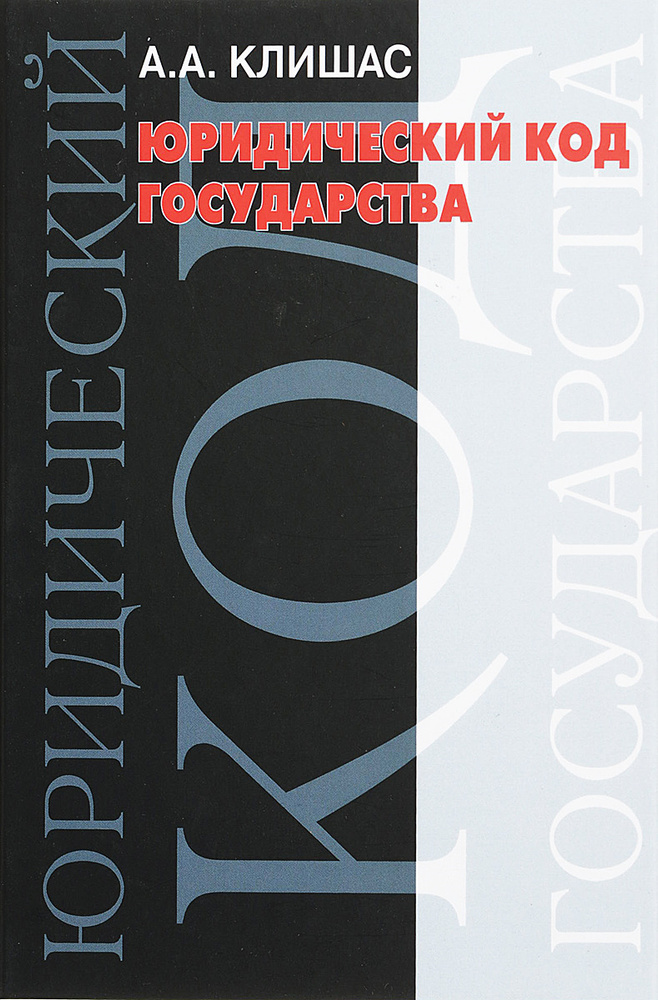
3. J. D. Salinger — "The Catcher in the Rye"
The novel was published in 1951 and instantly became a cultural phenomenon, sparking a storm of debate due to its explicit language and honest teenage rebellion. Behind the simple plot about three days of wandering by seventeen-year-old Holden Caulfield around New York lies a complex parable about the loss of innocence, alienation, and the search for beauty in the "phony" world of adults. Despite mixed reviews, the book has firmly entered the canon of world literature, remaining one of the most banned and at the same time most widely read in schools. The inner world of the main character proves surprisingly close and recognizable to readers of different generations. The novel raises the most important philosophical themes: the existential alienation of the individual, the tragic loss of childhood innocence, and the high price of compromises on the path to growing up
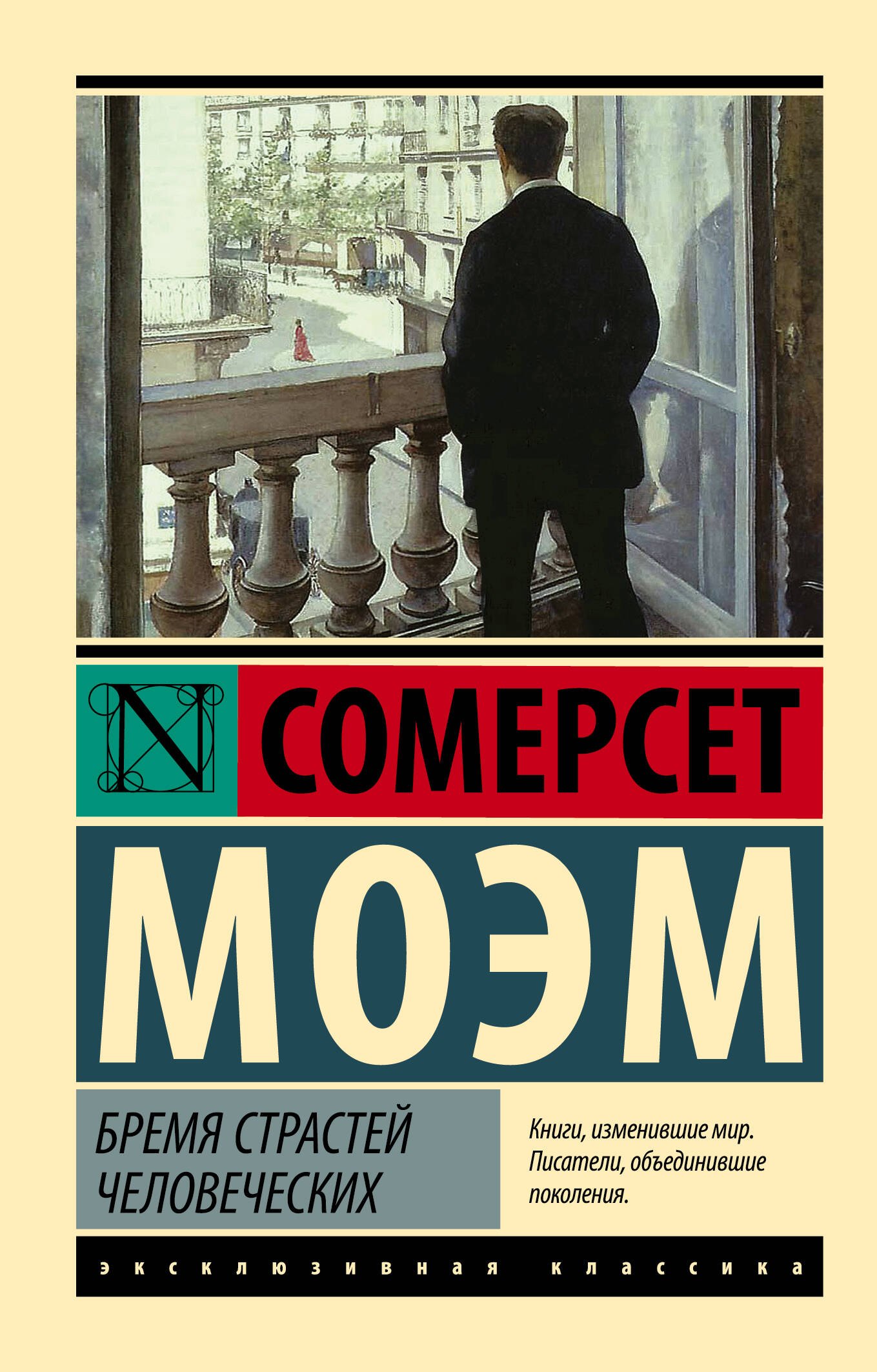
4. Nick Vujicic — "Unstoppable: The Incredible Power of Faith in Action"
Nick Vujicic is a world-renowned motivational speaker, preacher, and director of the non-profit organization "Life Without Limbs," created to help people with disabilities. He was born without arms and legs, but he is fully independent and lives a full, rich life: he received two higher educations, types on a computer independently at a speed of 43 words per minute, surfs, plays golf, enjoys fishing, swims, and even dives off a springboard into the water. Nick has become a source of hope and inspiration for millions of people around the world. He has visited 54 countries. He has more than 3,000 speaking engagements to his name. He was born and lived for a long time in Australia; he now lives in Southern California with his wife Kanae and is raising four children. In this book, Nick Vujicic talks about the problems and difficulties we face daily: personal crises, relationship difficulties, career and work setbacks, poor health and disability, cruelty, violence, intolerance, and the need to cope with what is beyond our control. Nick explains how to overcome these difficulties and become unstoppable. An abundance of wise thoughts that can be pulled out as quotations
5. I.S. Samokhin, M.G. Sergeeva — "Inclusive Education in Russia: Theory, Methodology, Prospects"
The monograph examines theoretical and methodological issues related to the perception and implementation of inclusive education in modern Russia. An original model of the effectiveness of school inclusive education is proposed, taking into account the result demonstrated by a student within the framework of the discipline being studied and the emotions experienced by the student in the process of mastering it. The work presents various approaches to interpreting the concept of "inclusive education": Russian, Western, and "global," as reflected in key international documents. The authors of the monograph propose combining the global and Russian approaches. The idea is developed of the "immanent superiority" of seriously ill children over all others, and of their having special moral rights that should be reflected in a unique social status. The monograph is addressed to representatives of all sciences, nationalities, religions, social groups, and worldview systems, to people who have faced a serious illness, and to those who have been fortunate enough to avoid it
To participate in the TOP-5 BOOKS section, send your submissions to: ayibova-ev@rudn.ru — Your Academic Cat