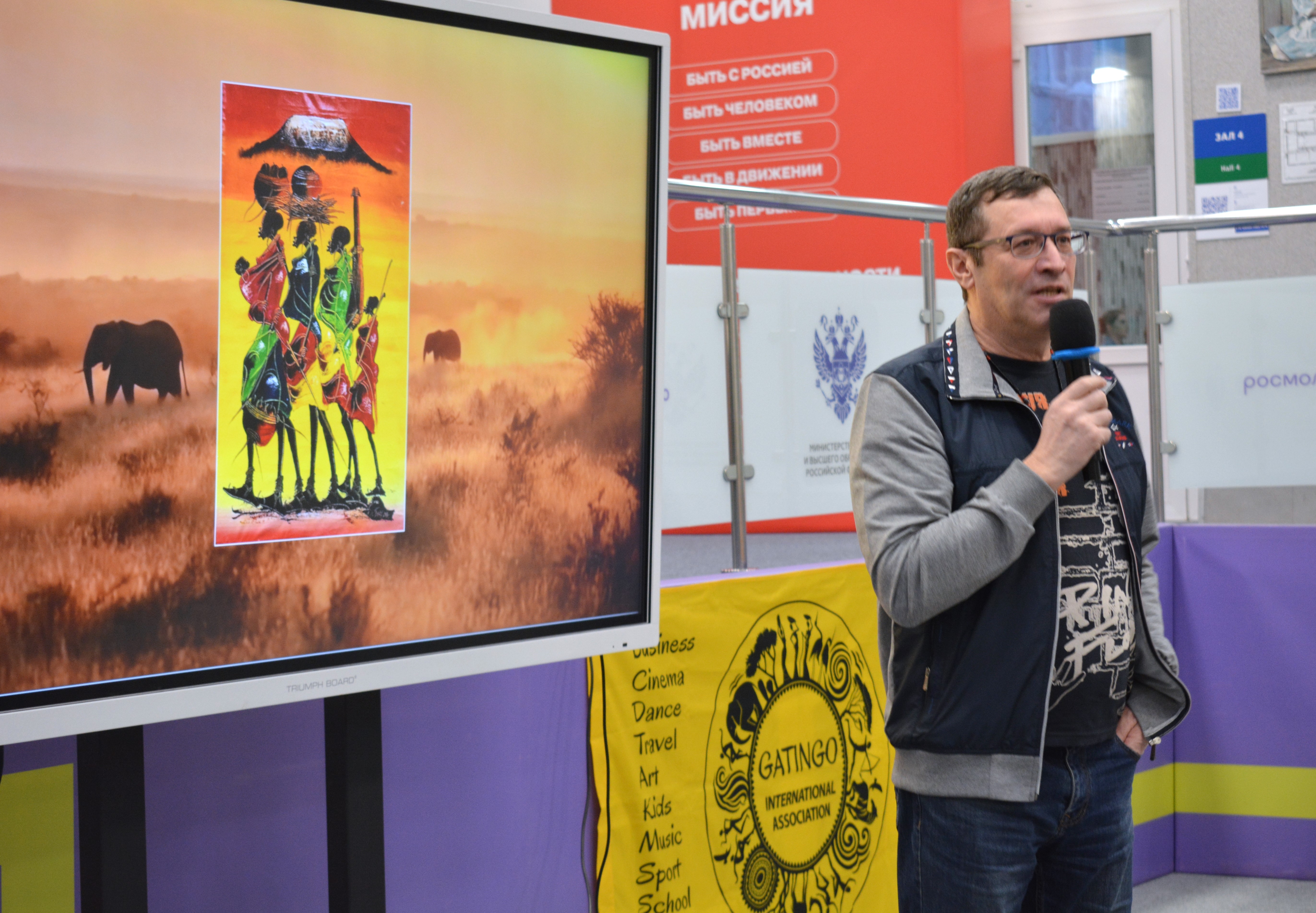
Africa: fortitude and beauty
The video link could not be processed
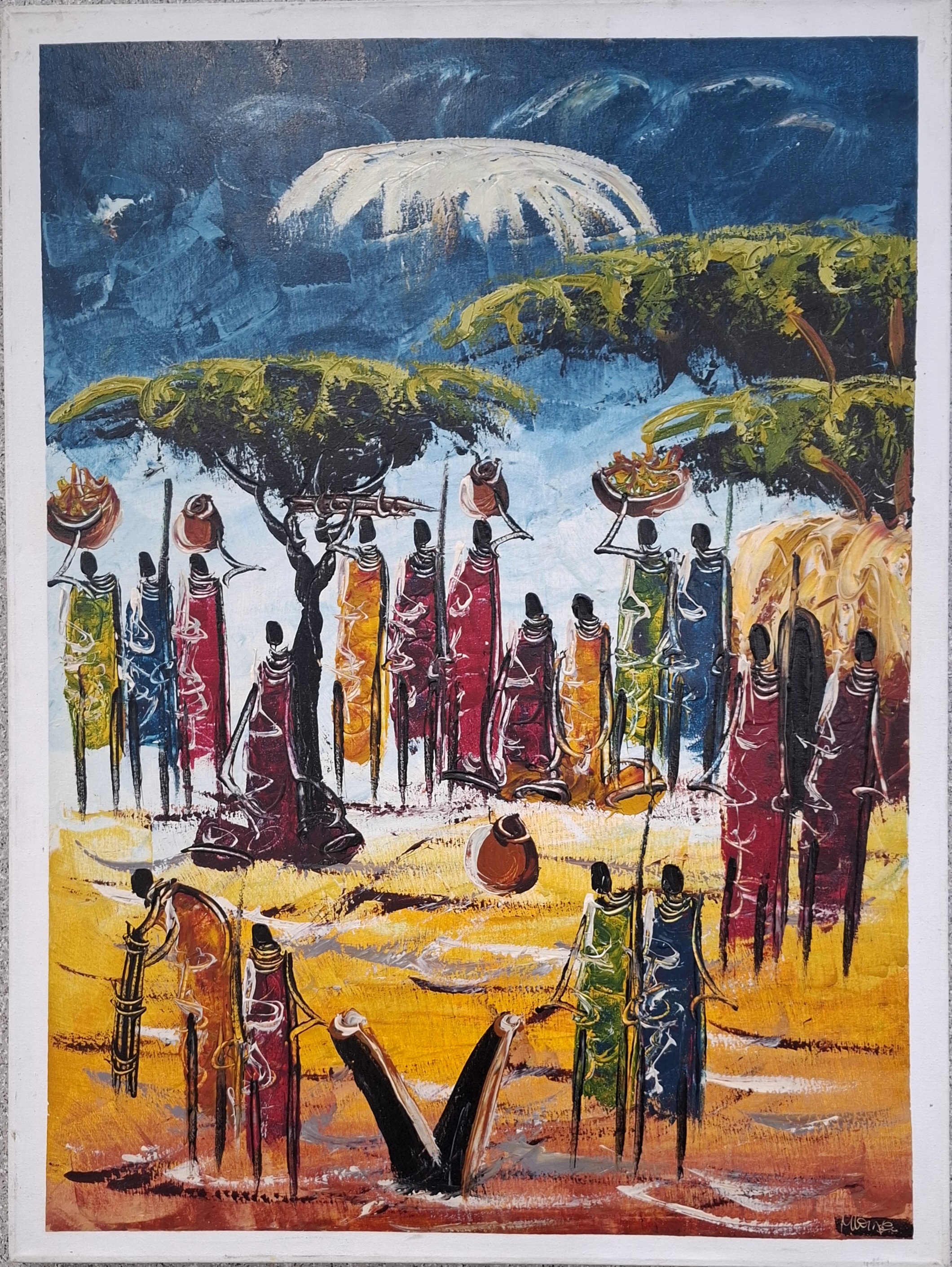
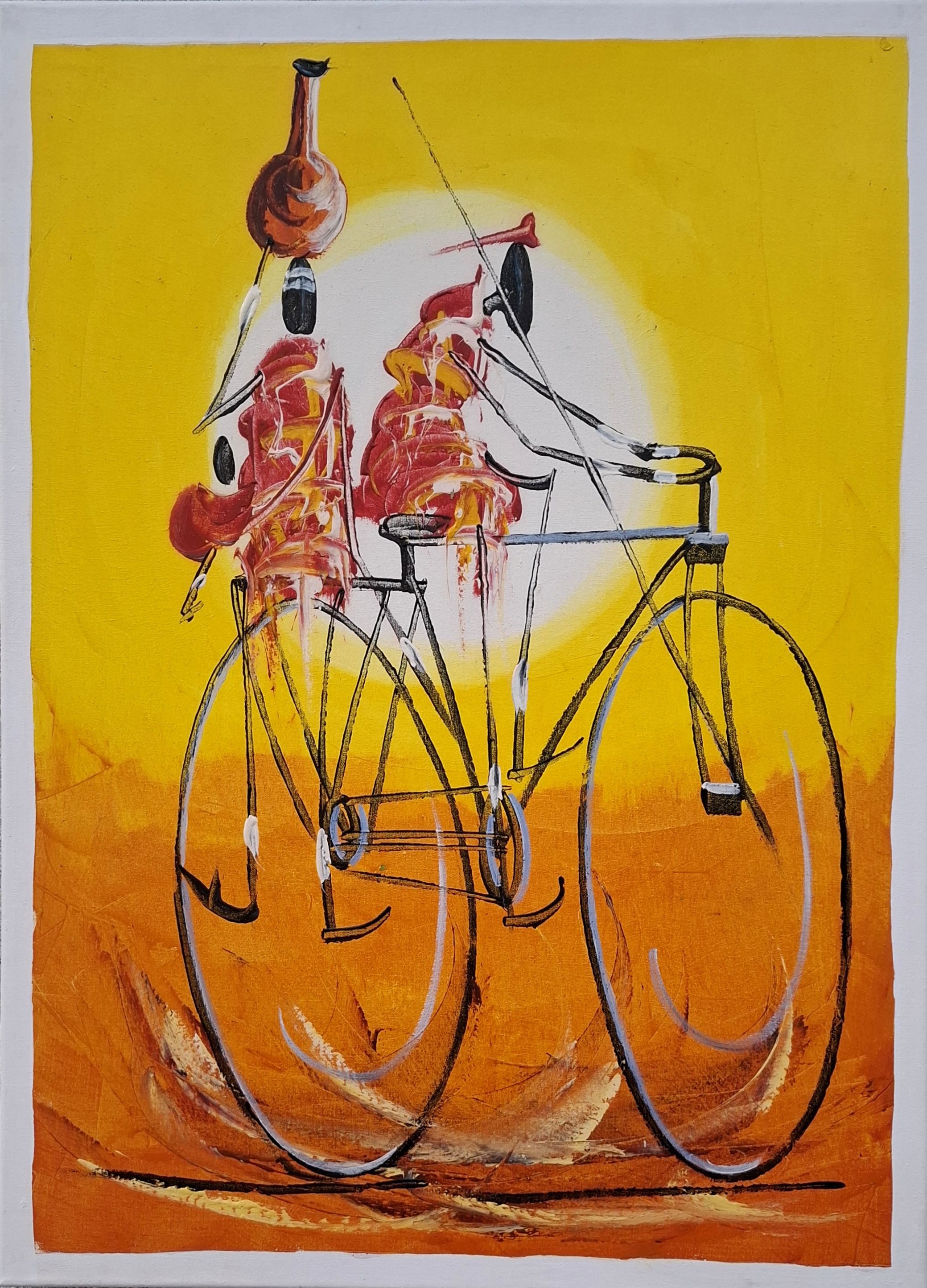
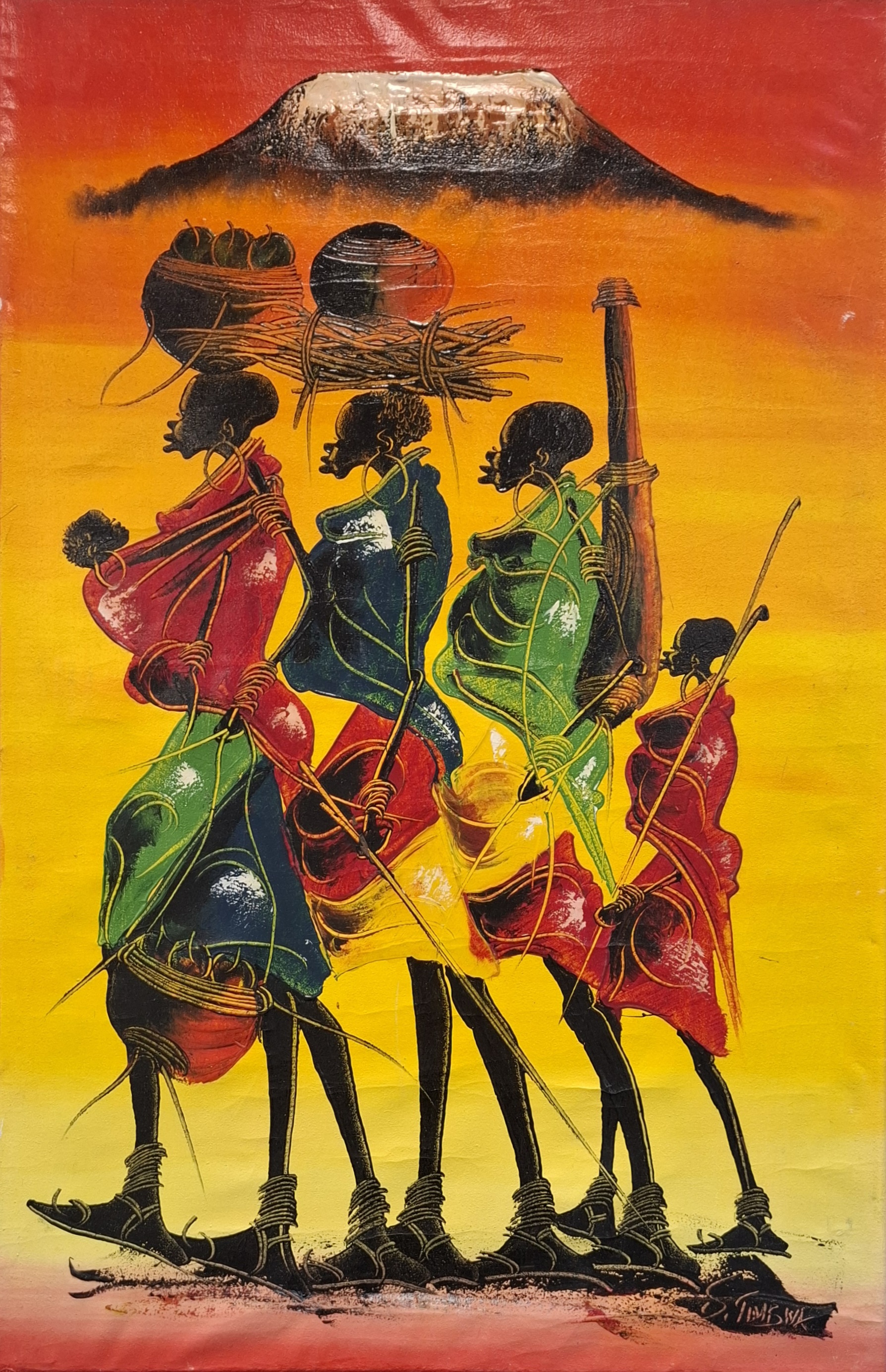
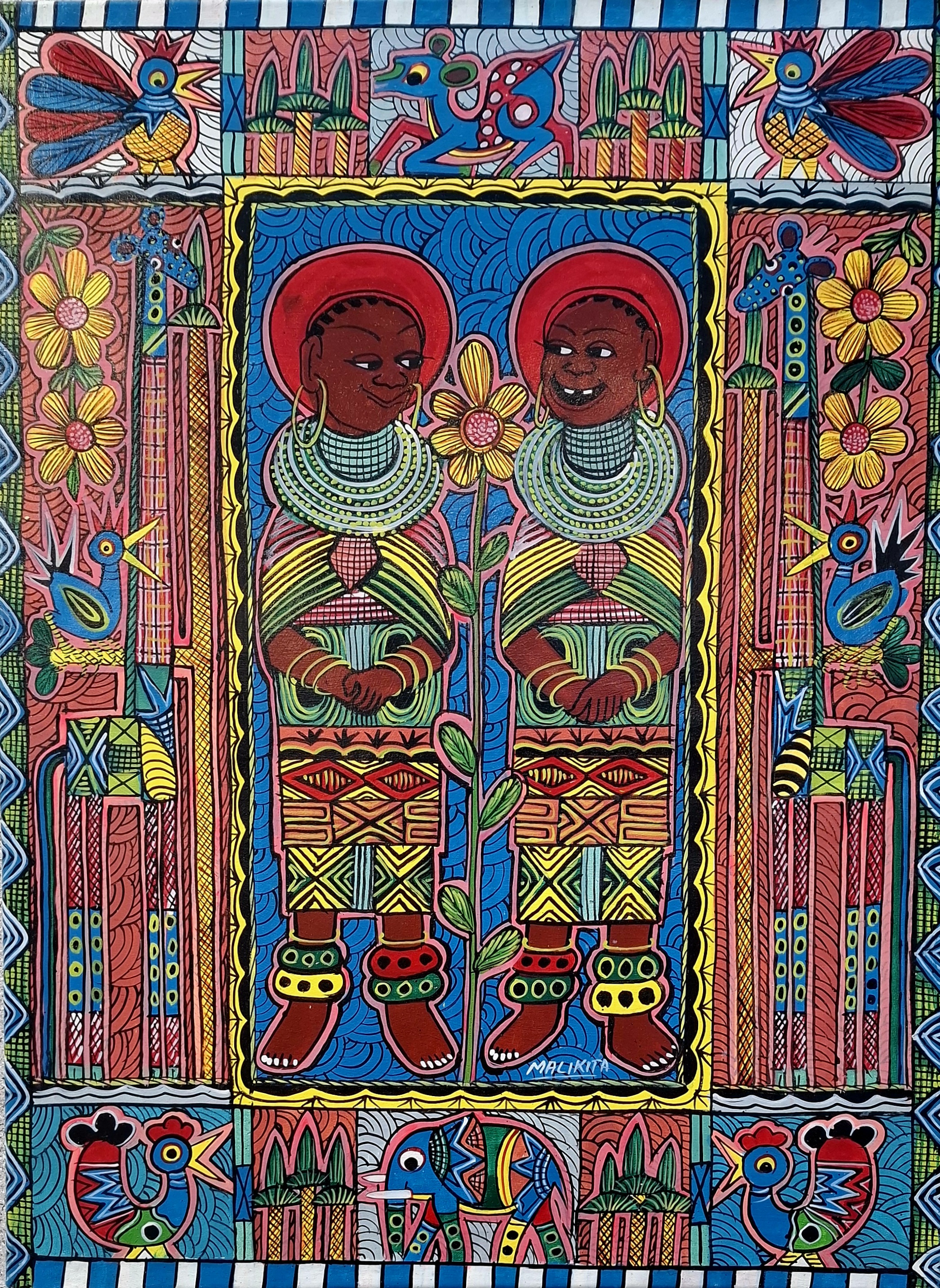
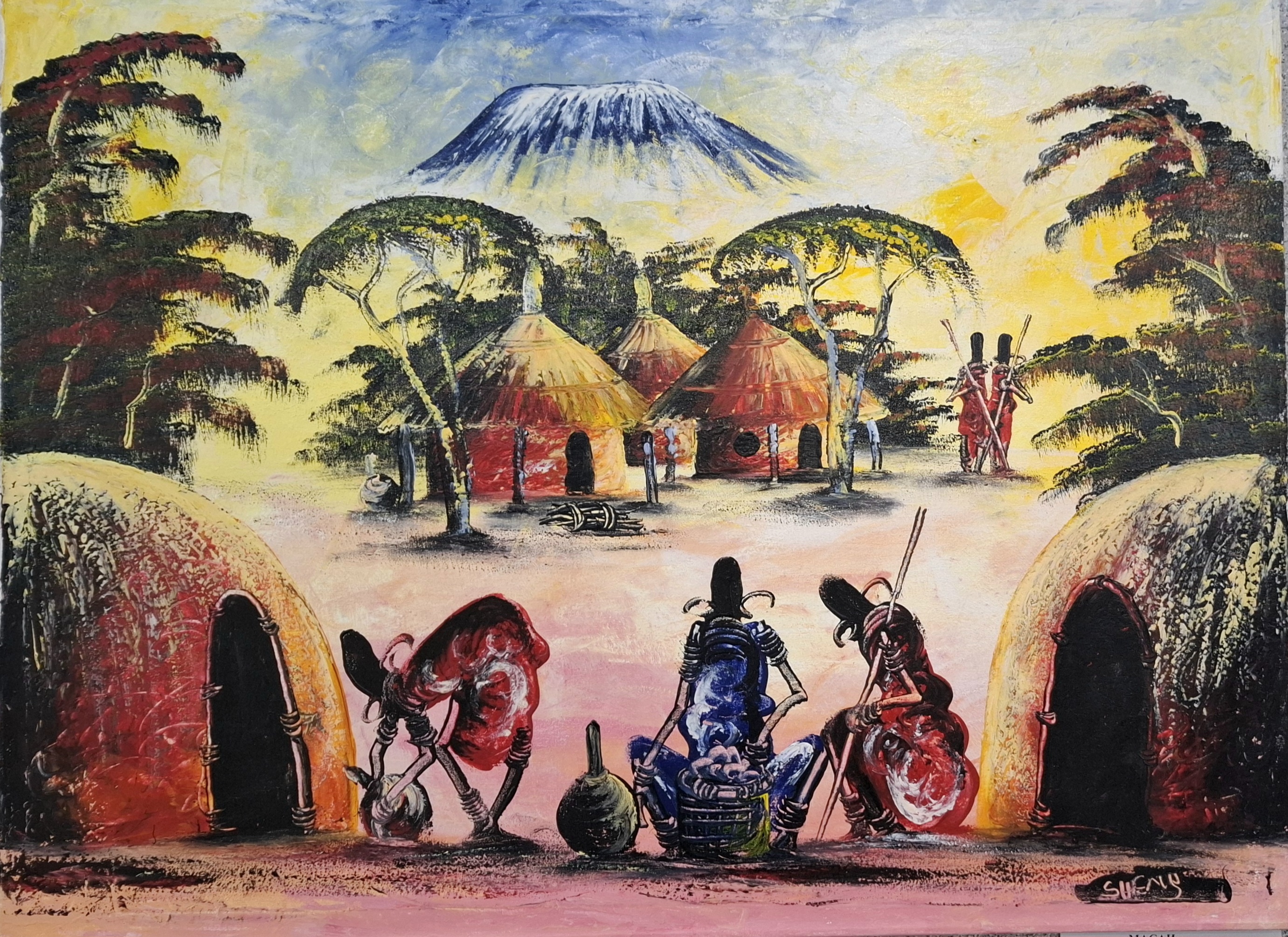
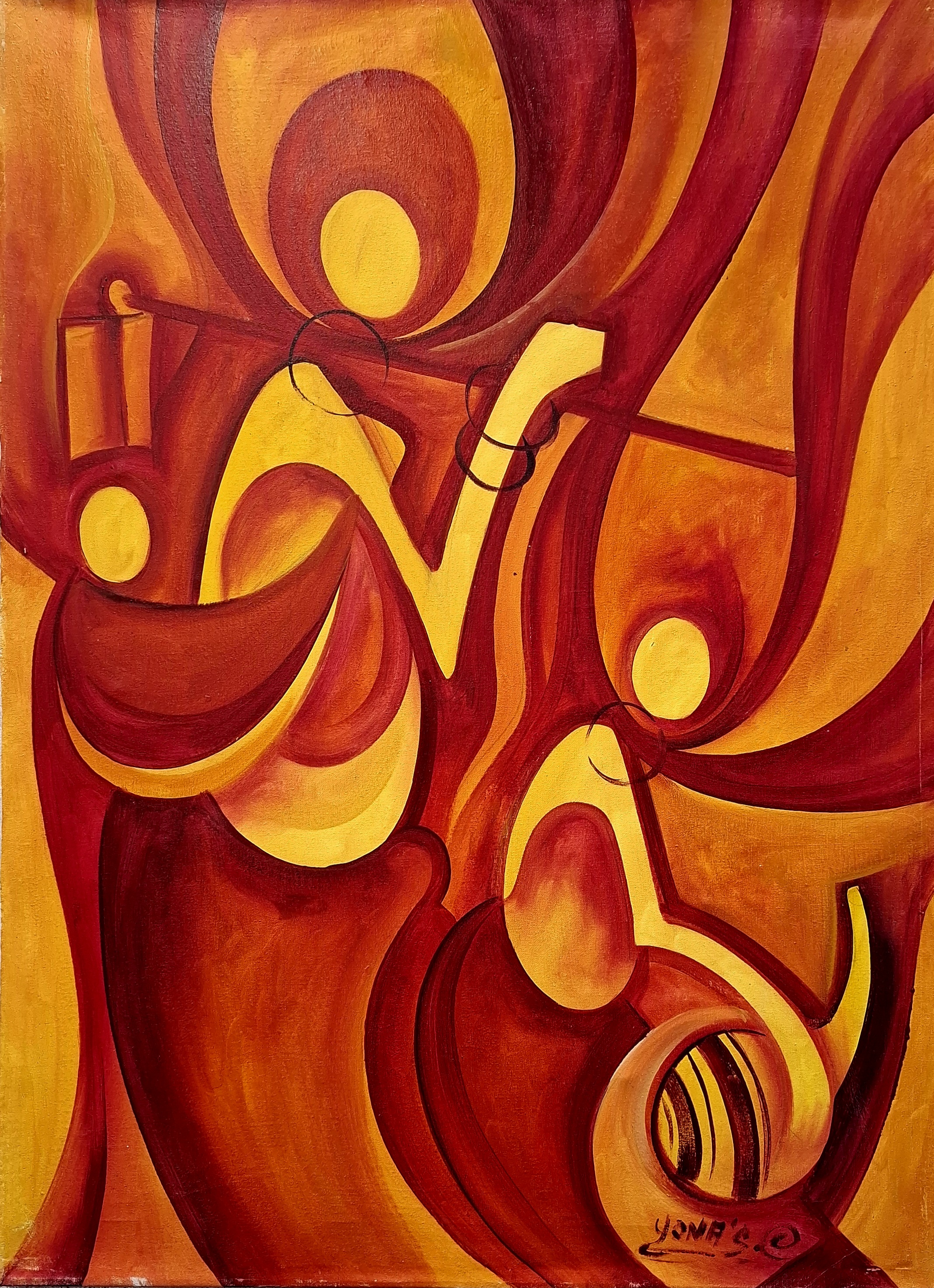
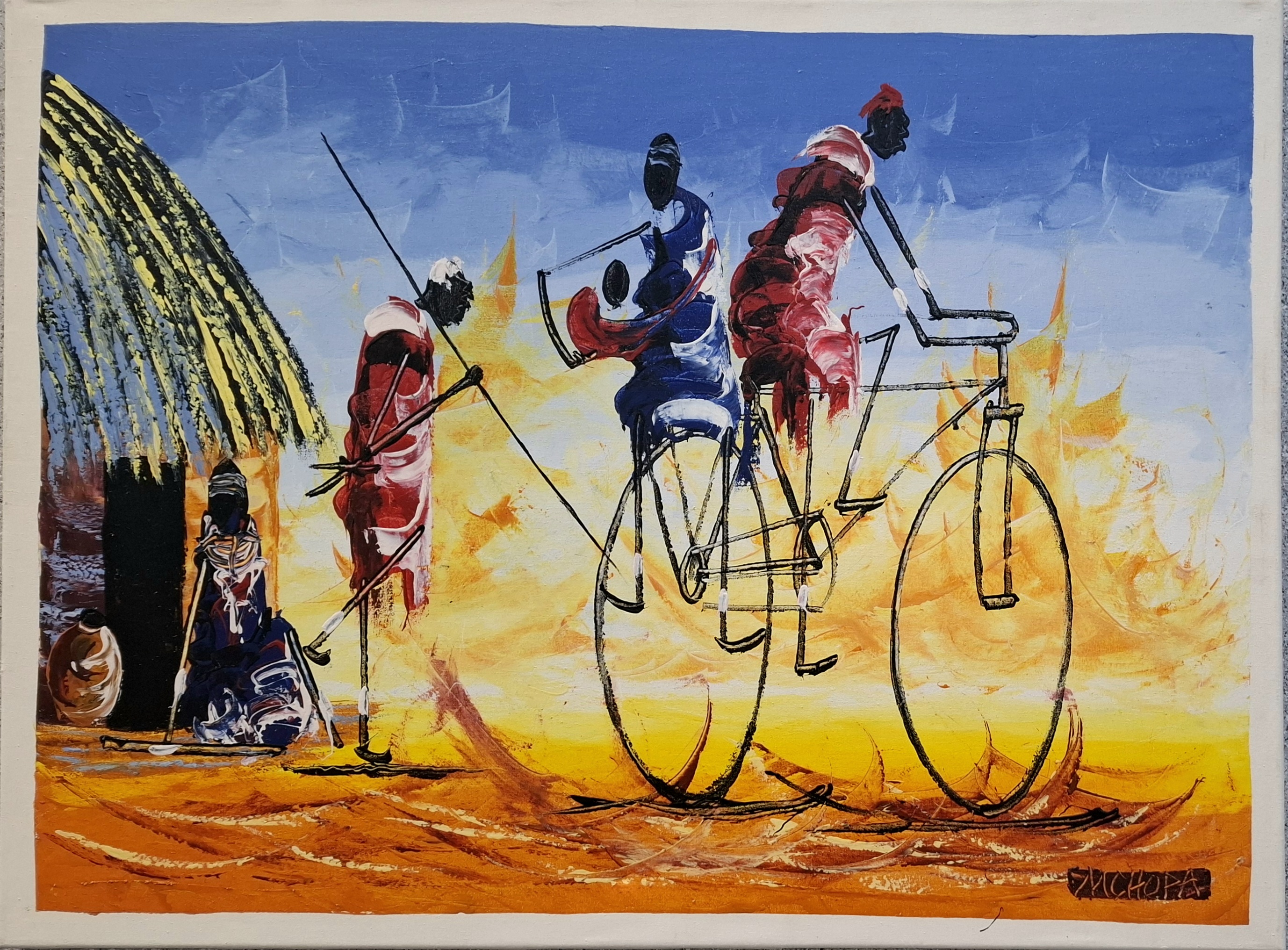
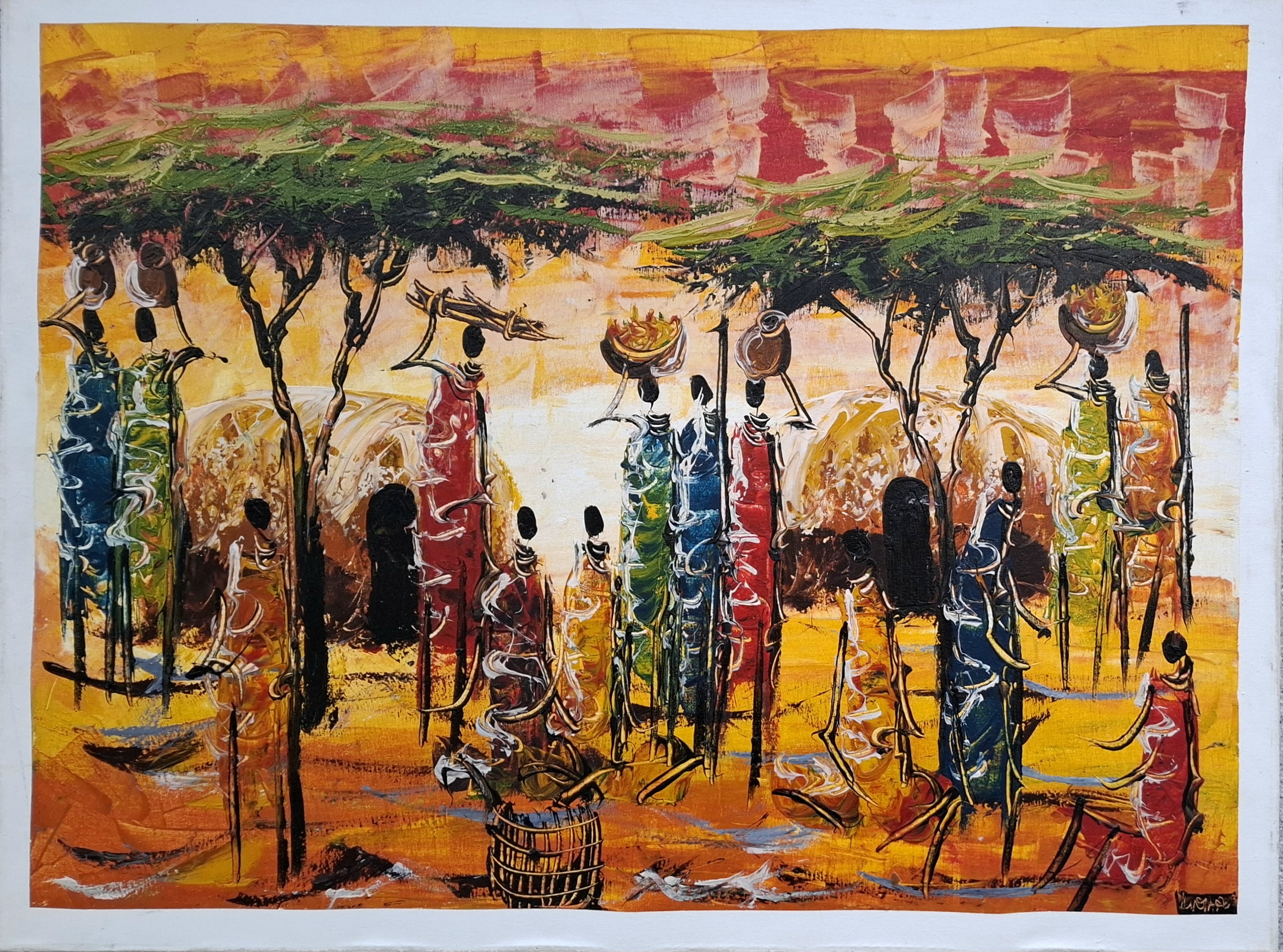
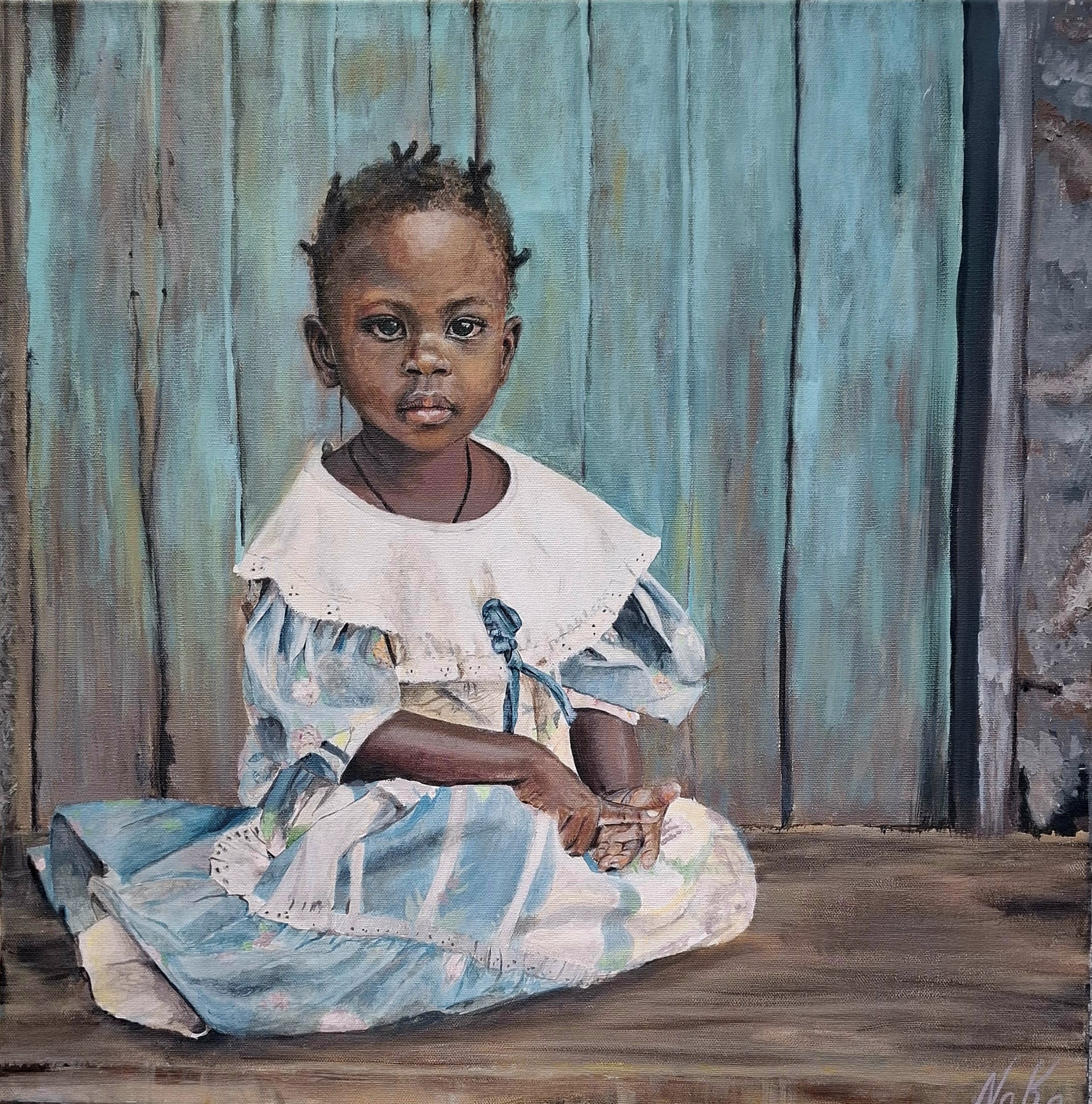
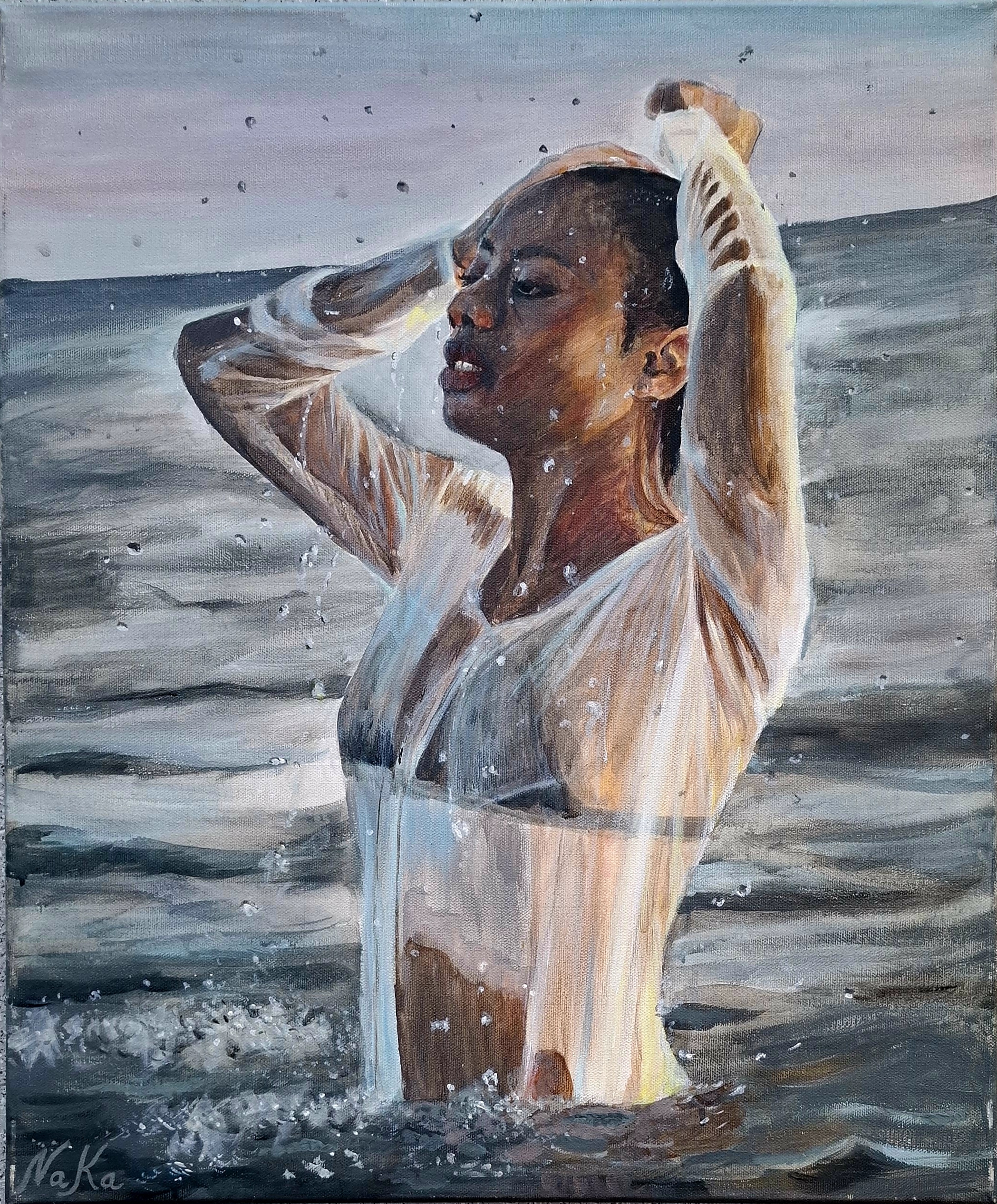
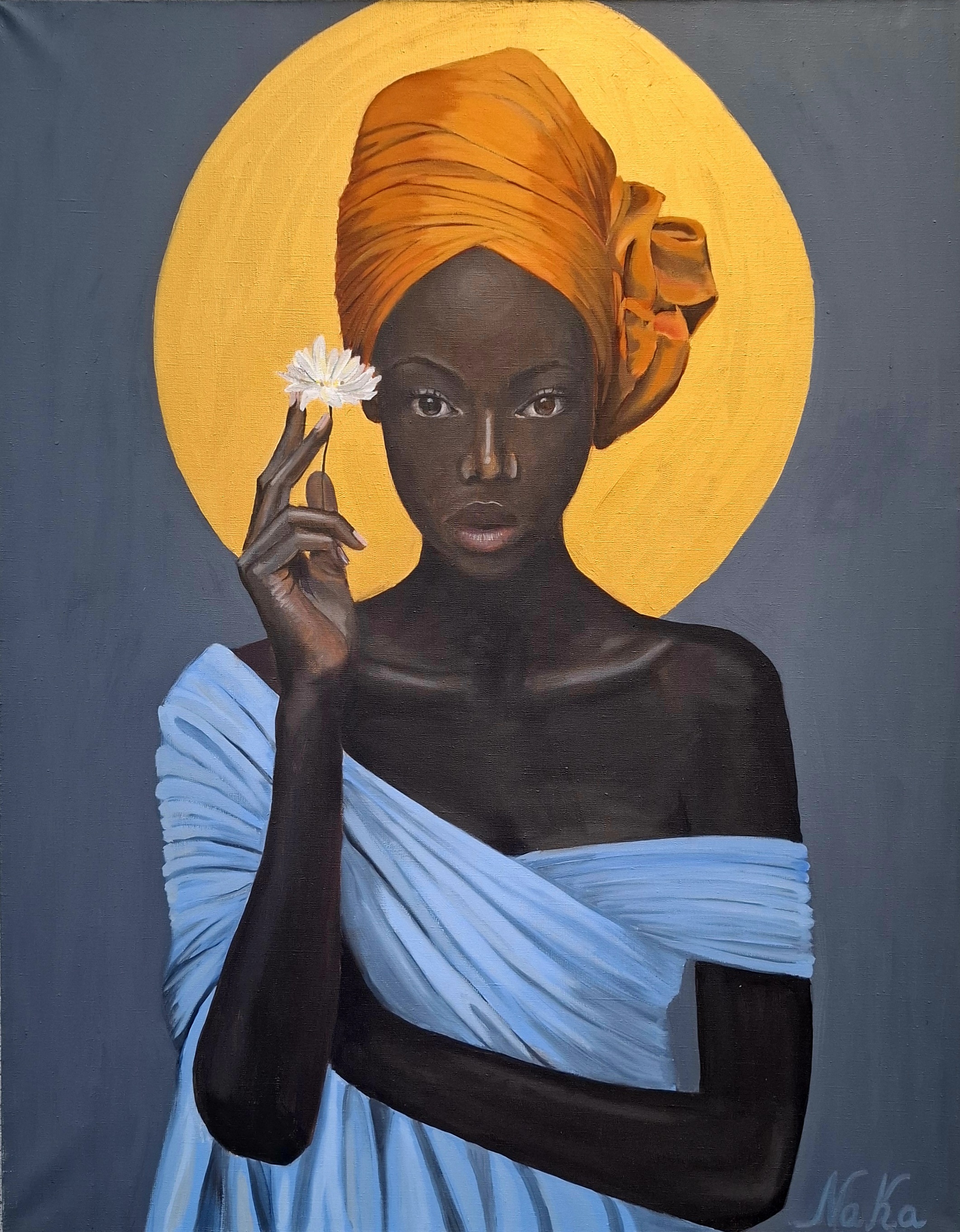
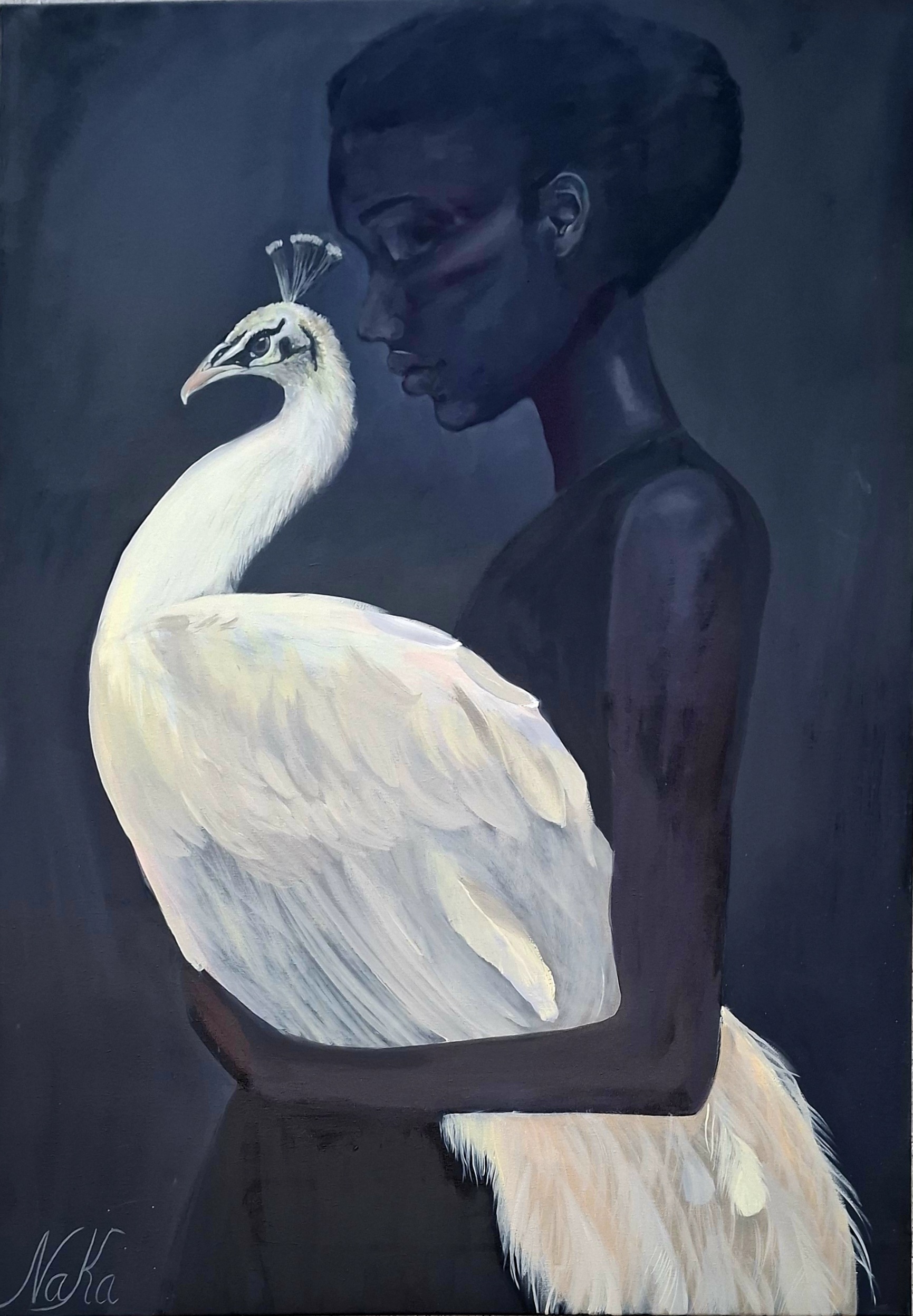
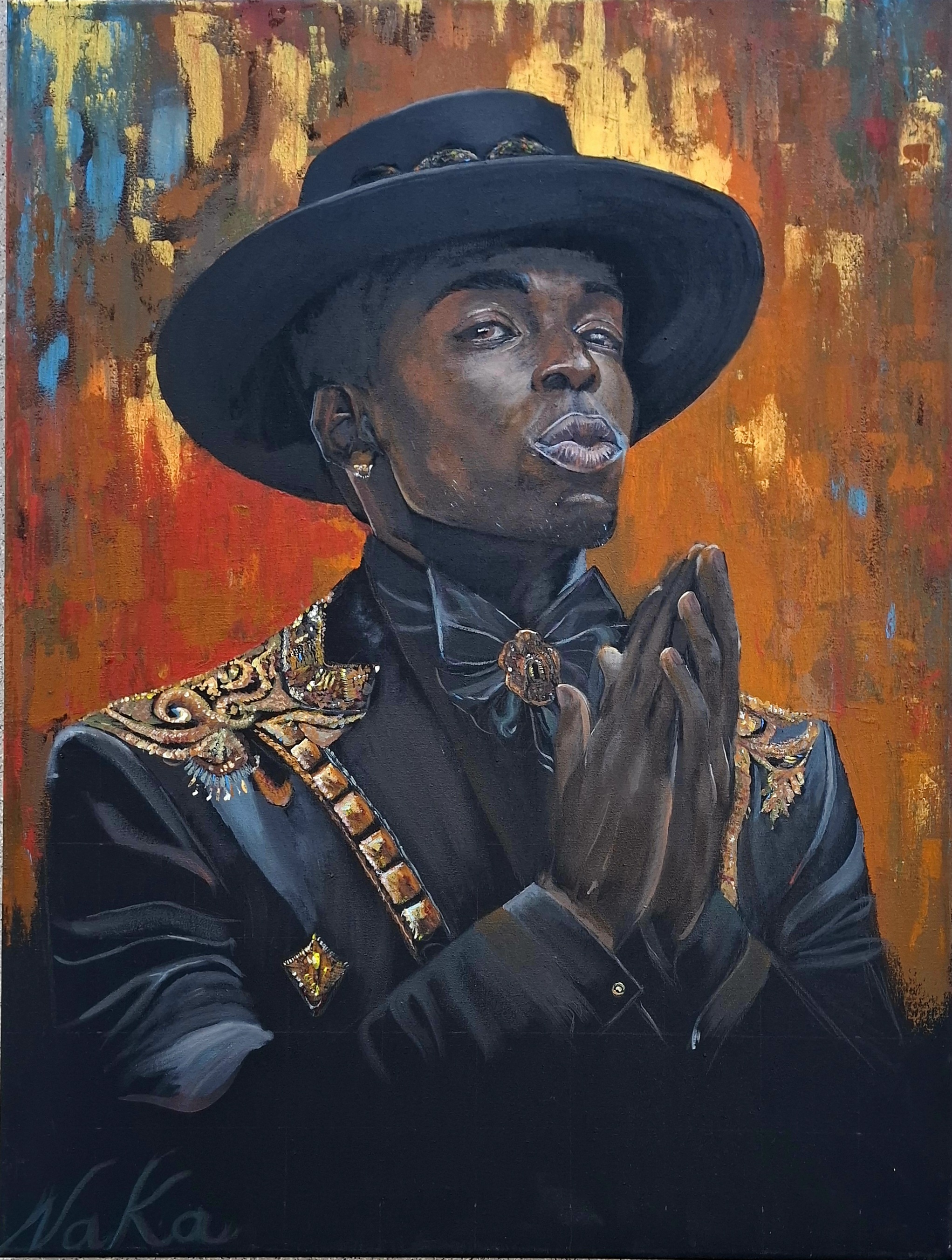
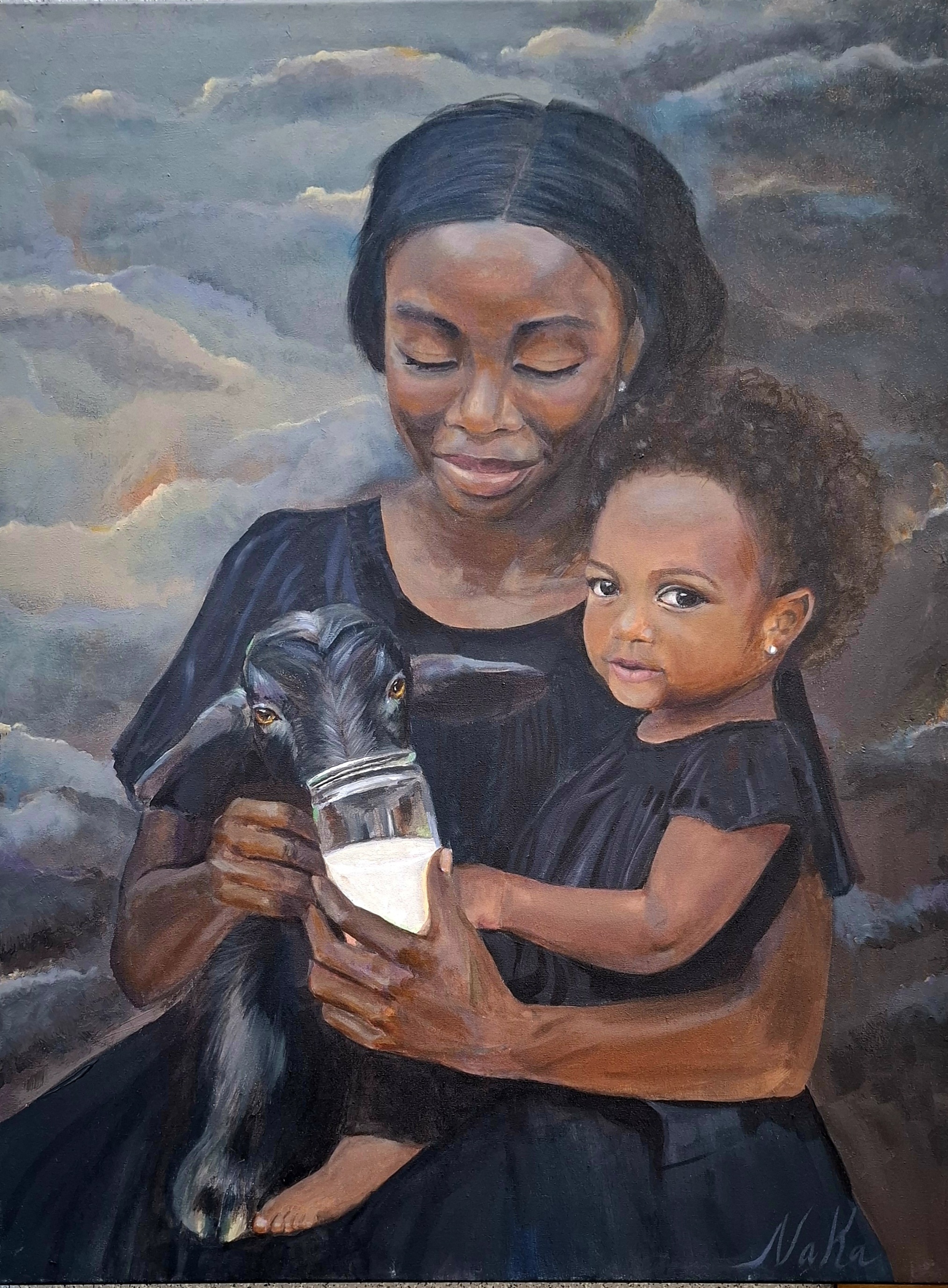
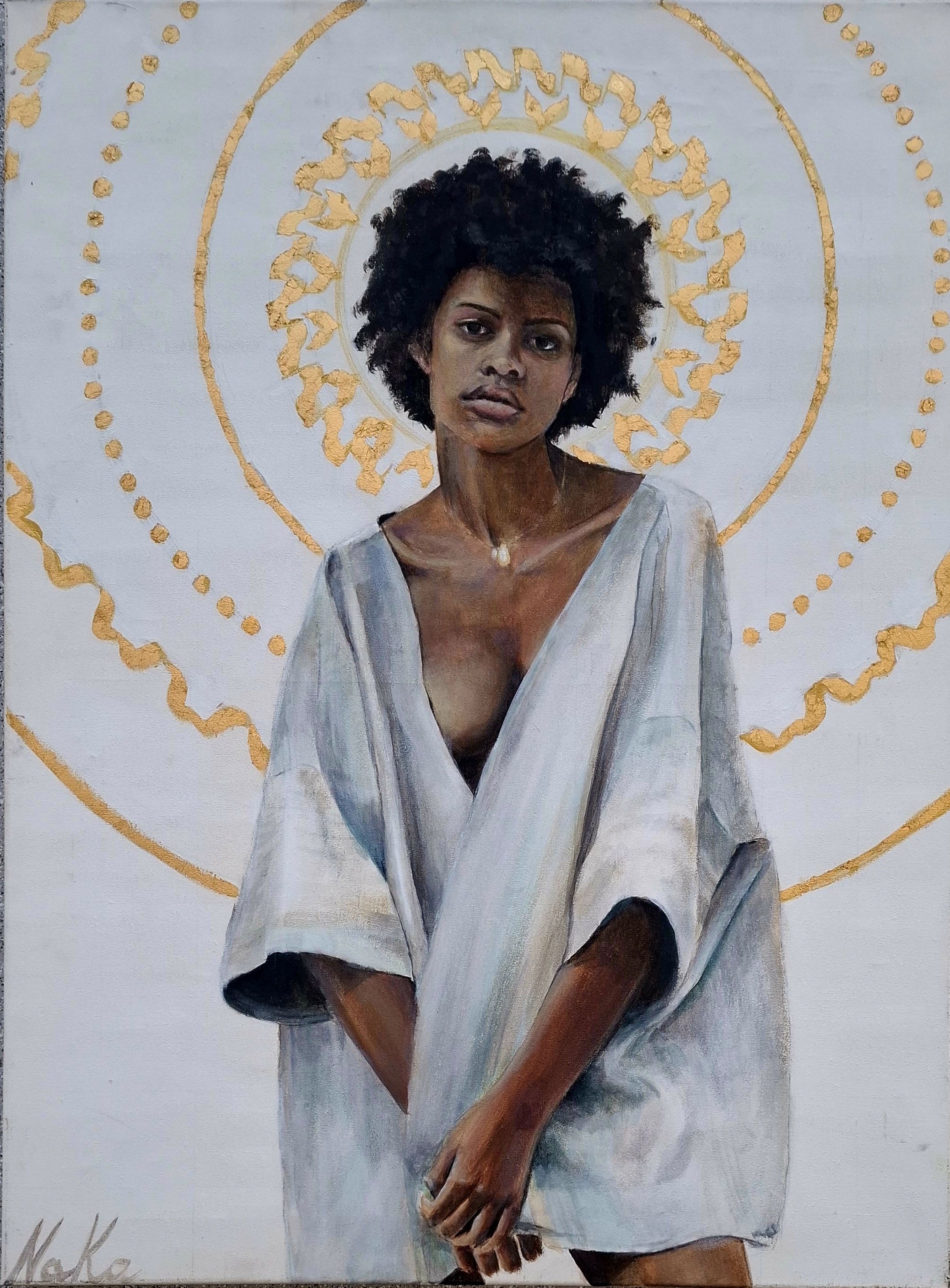
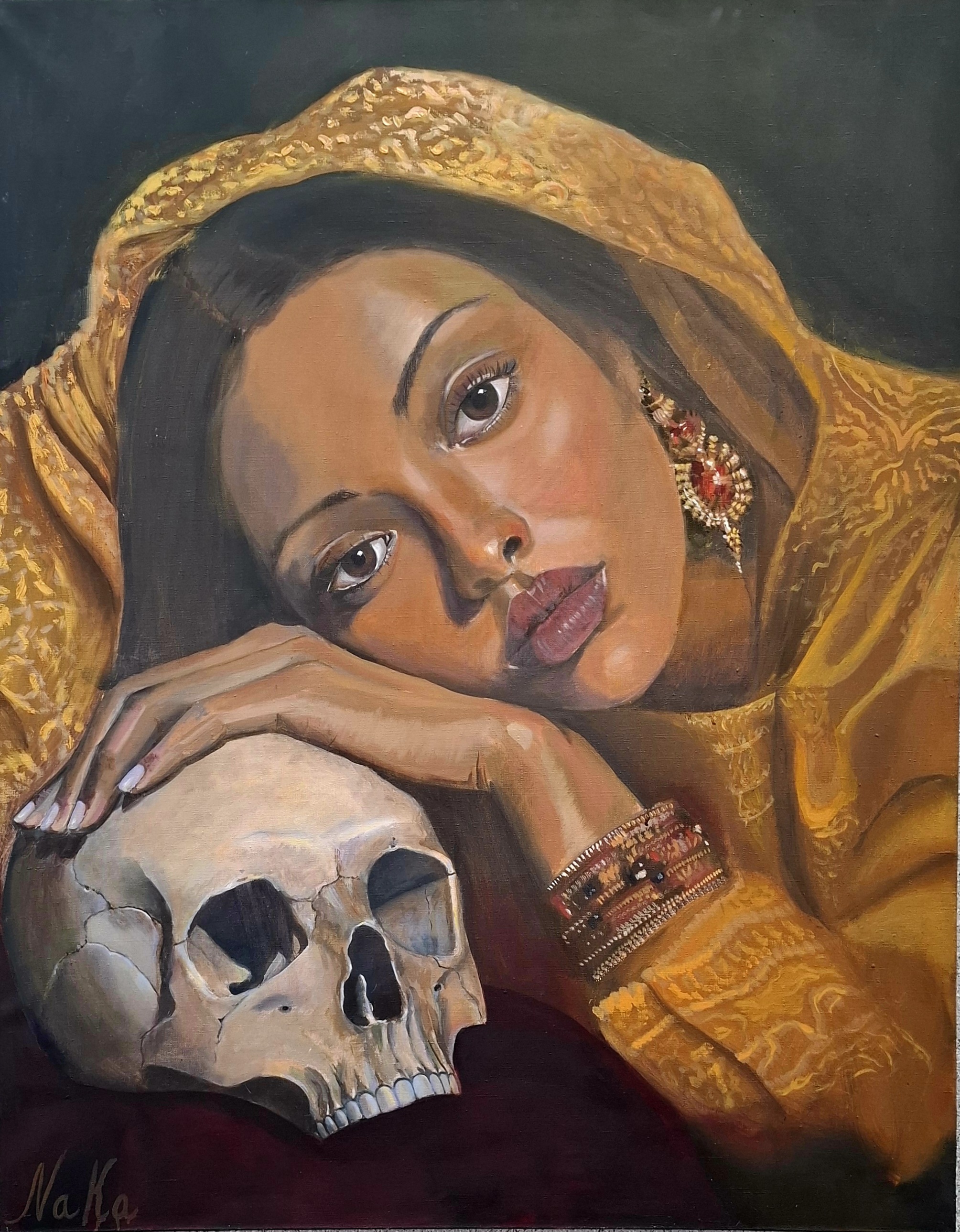
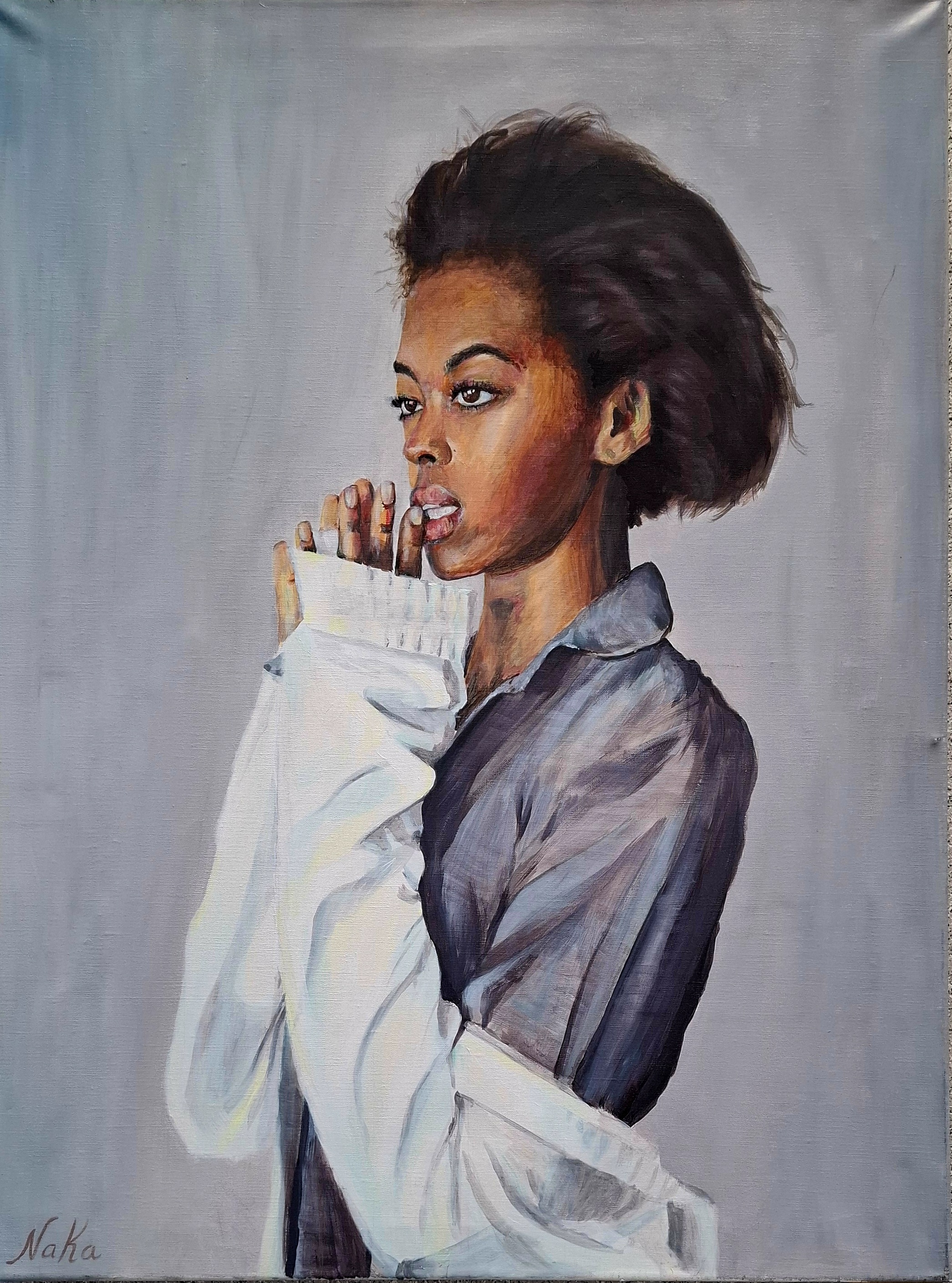
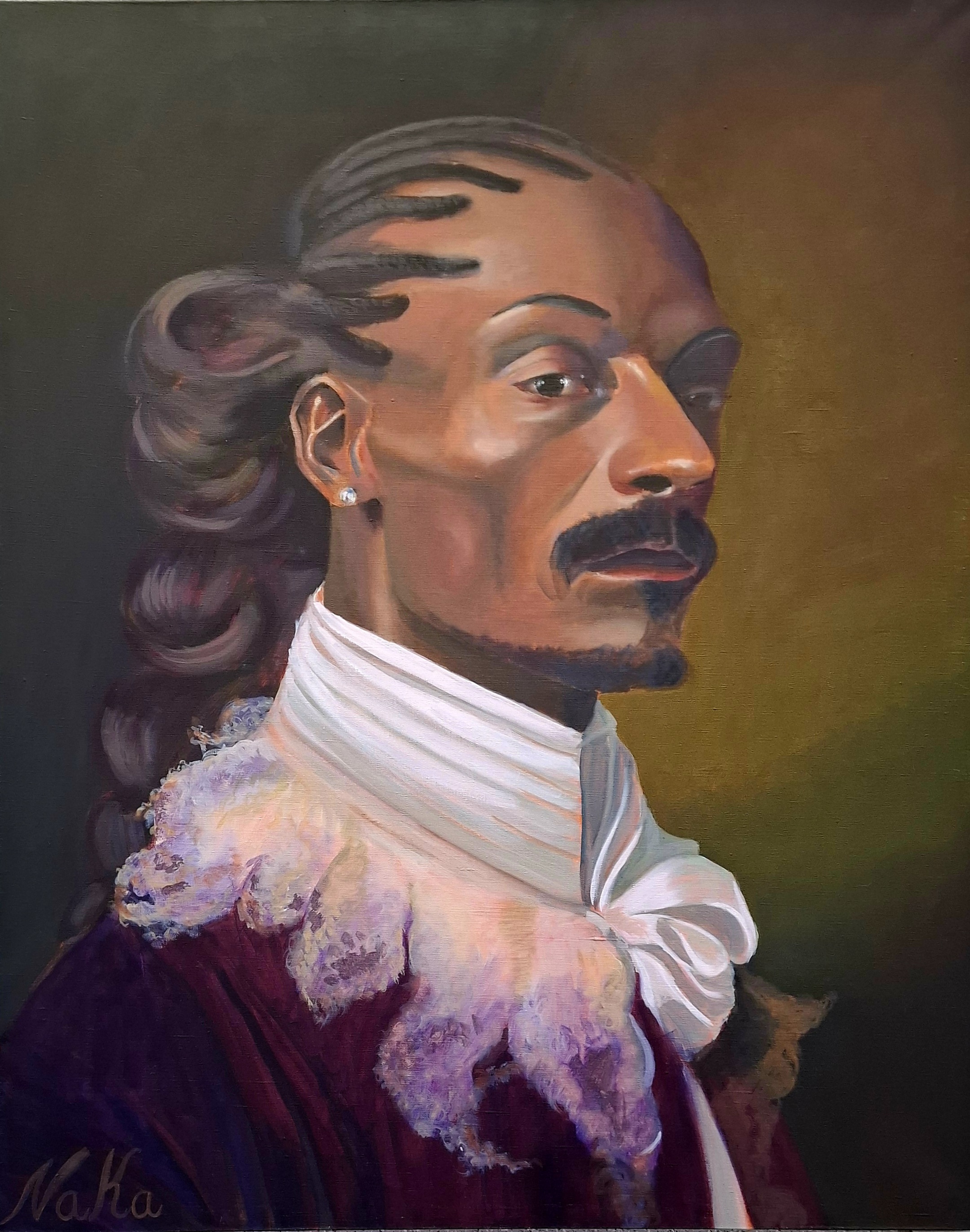
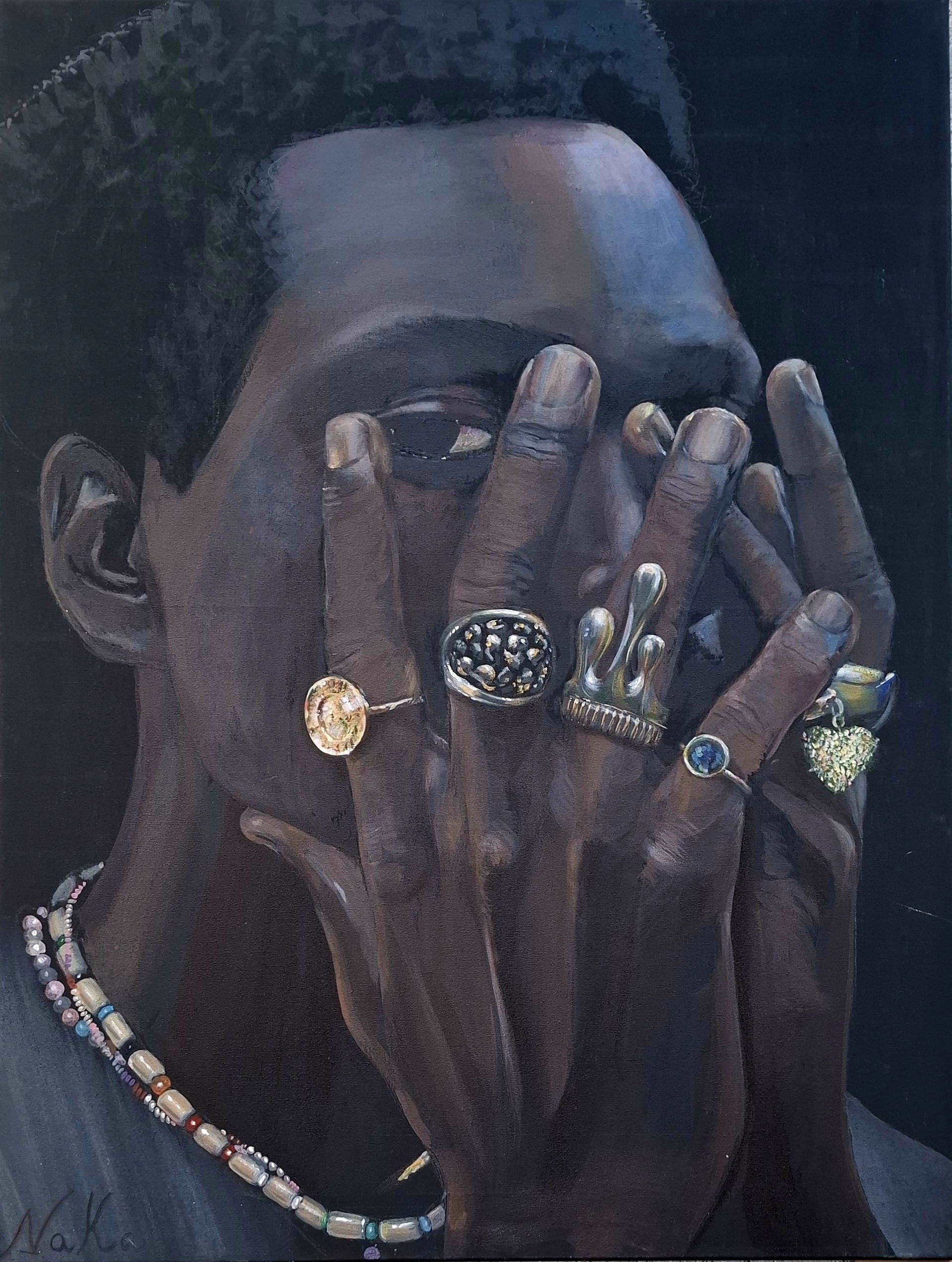
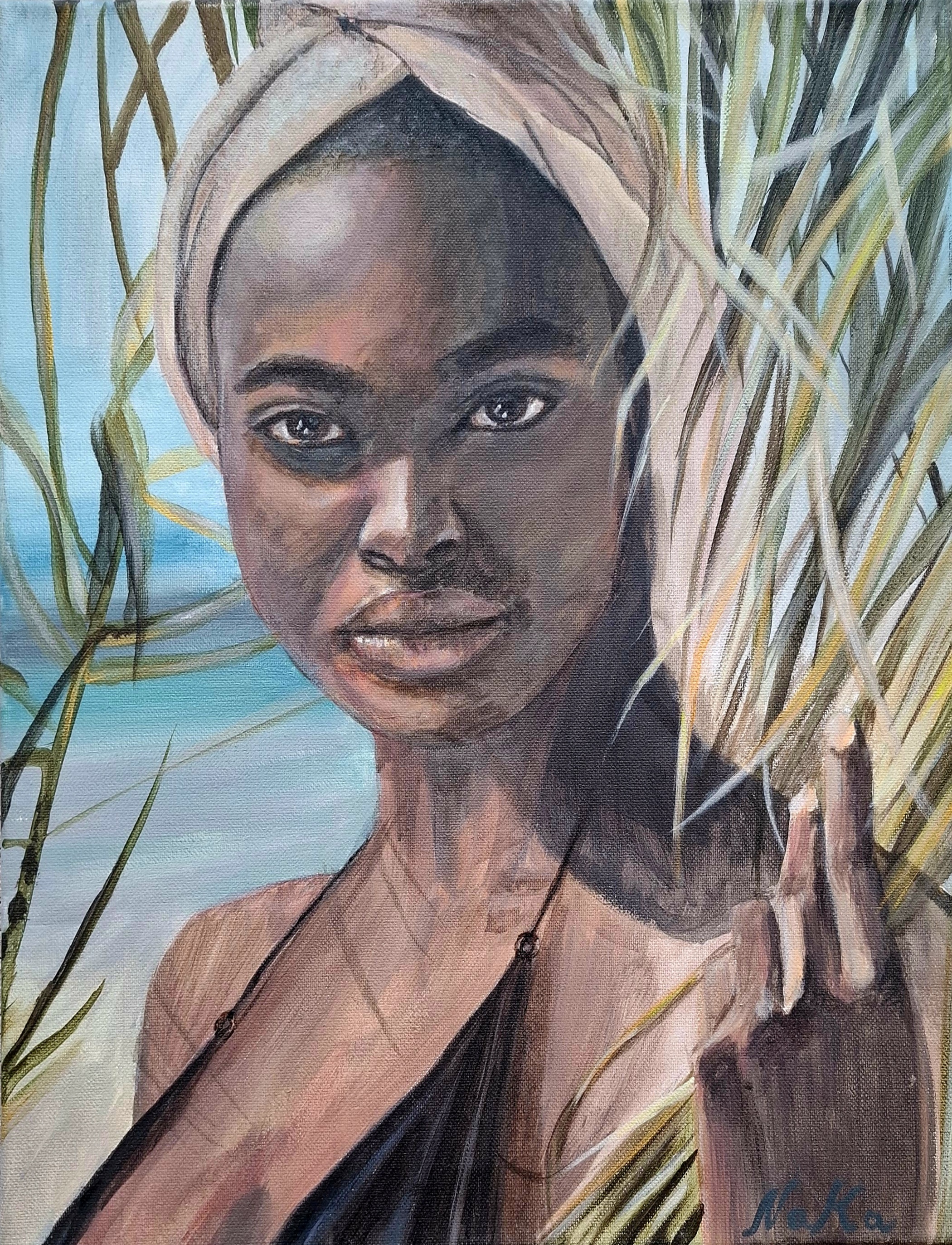
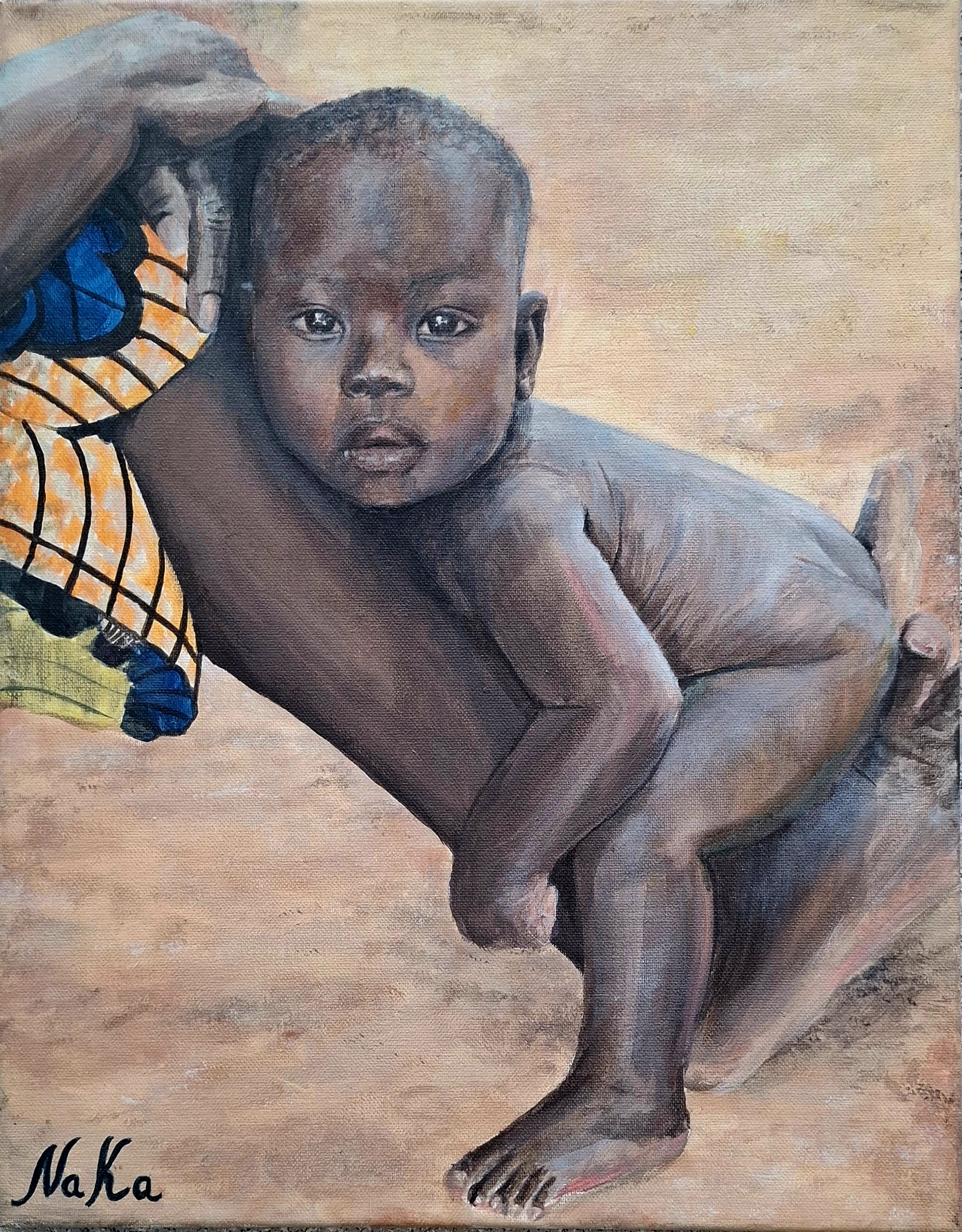
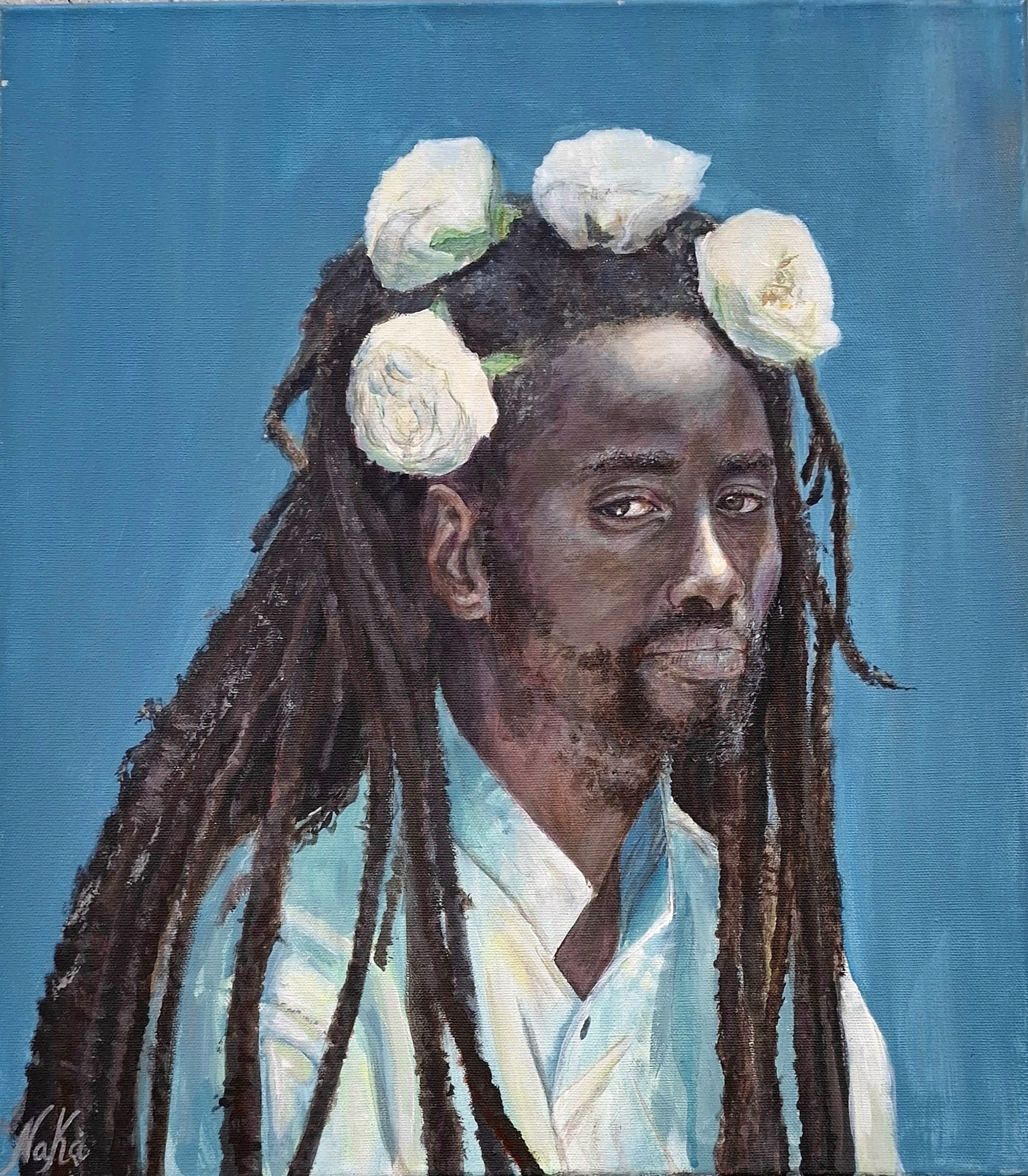
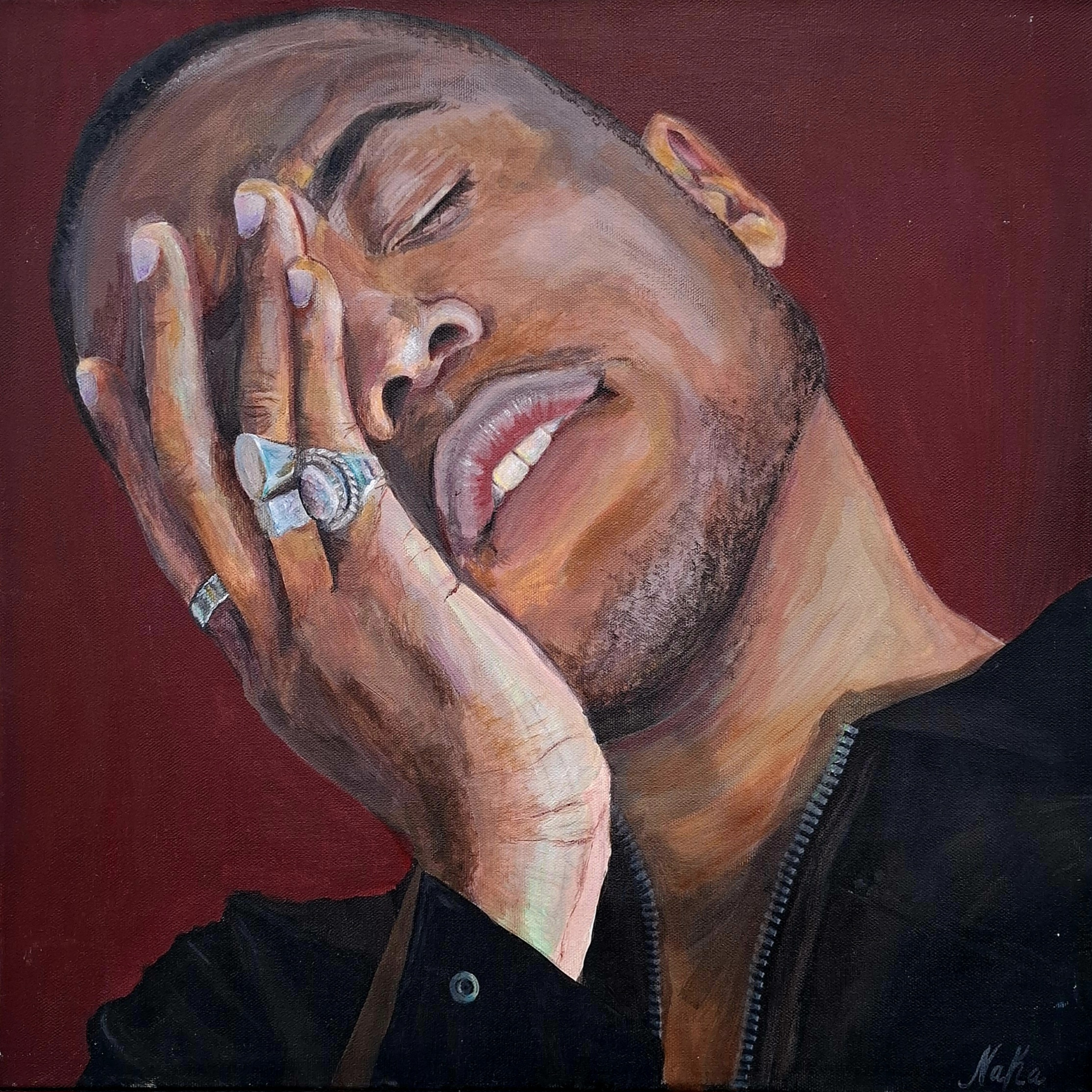
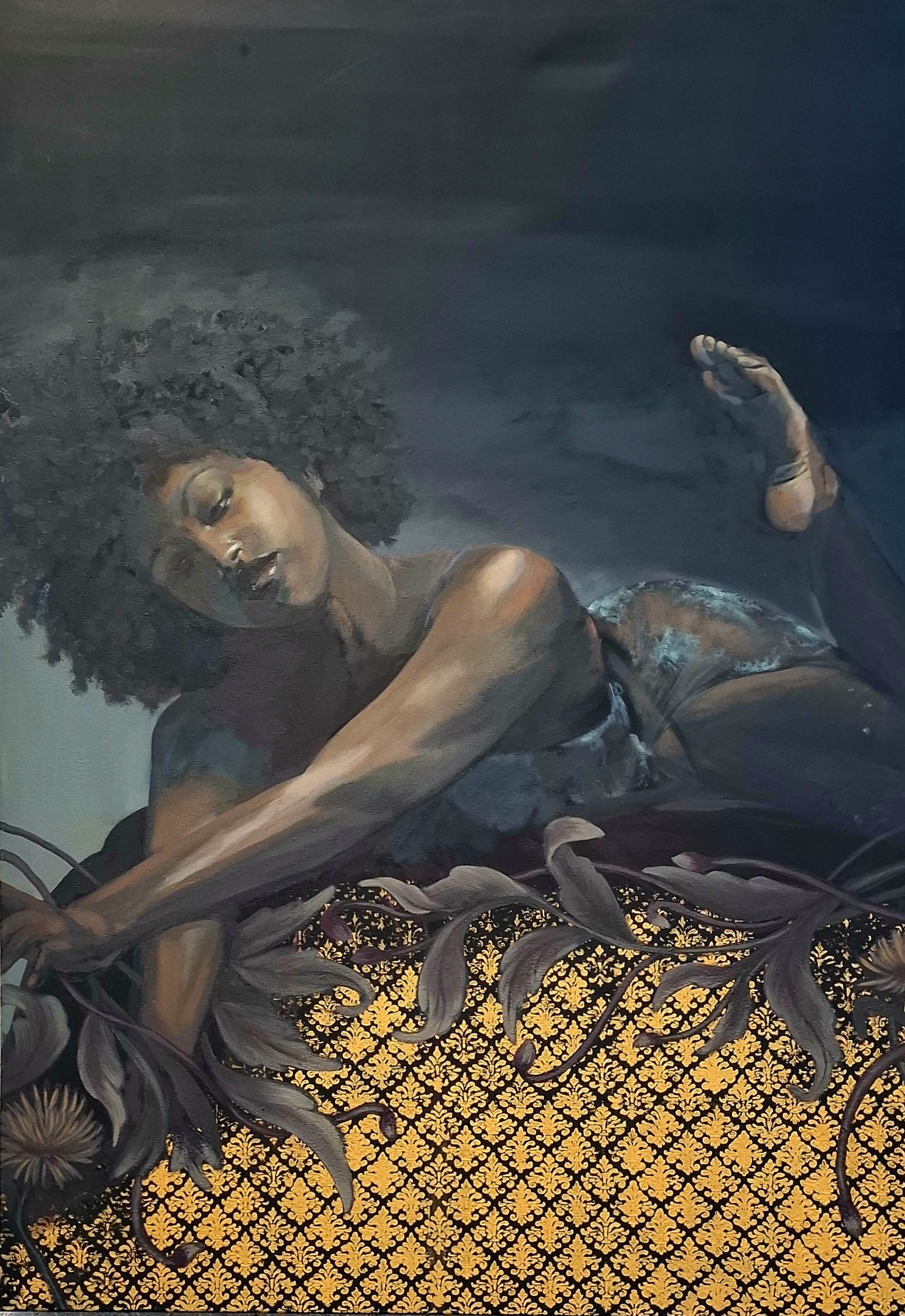
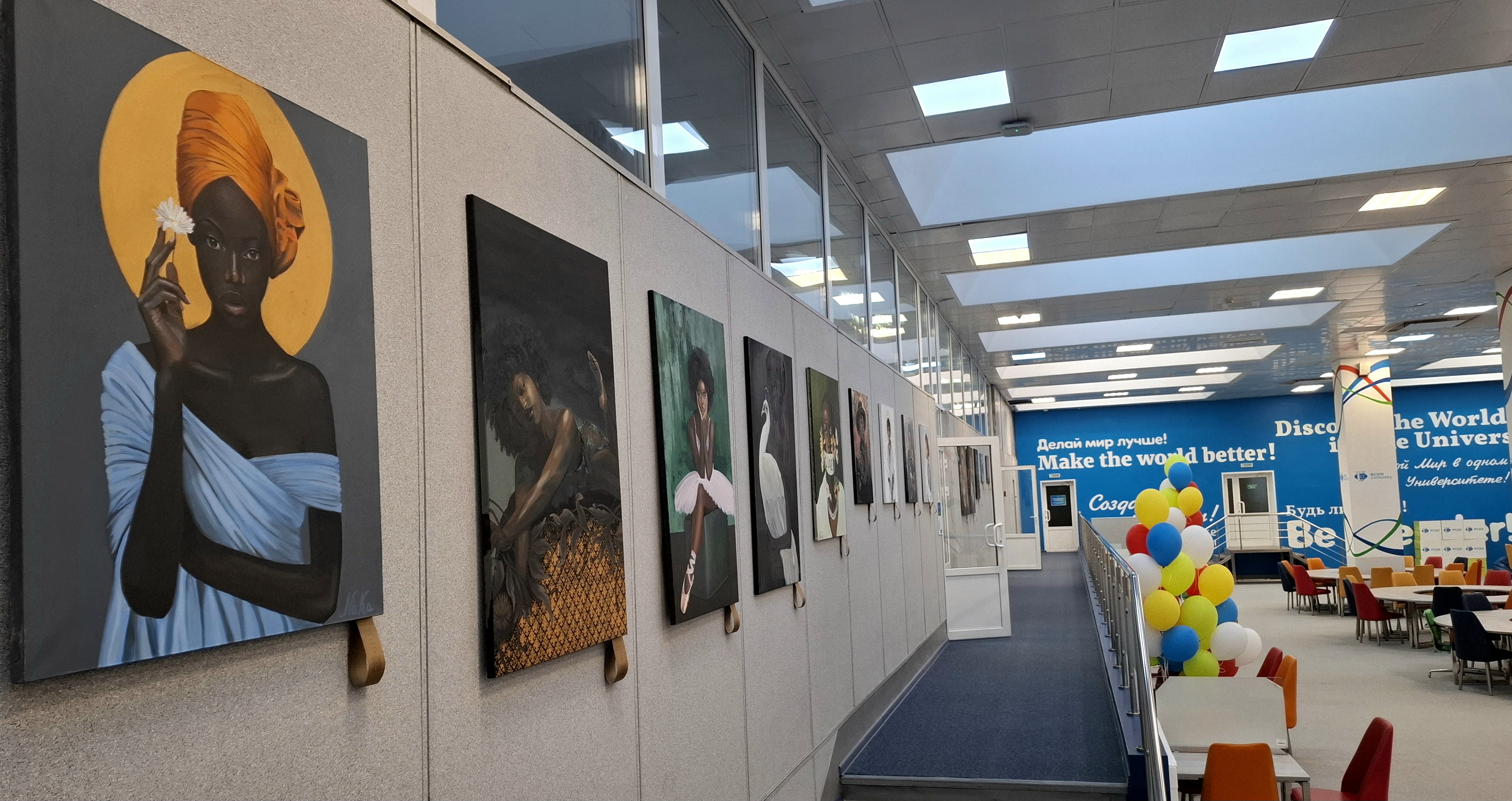
The exhibition features works by two prominent representatives of the art world: artist Natalie Kolalb, who works in the afro-art style, and collector Leonid Polkovskiy, who presented paintings from his personal collection of the famous Tanzanian Tinga-Tinga school to the public.
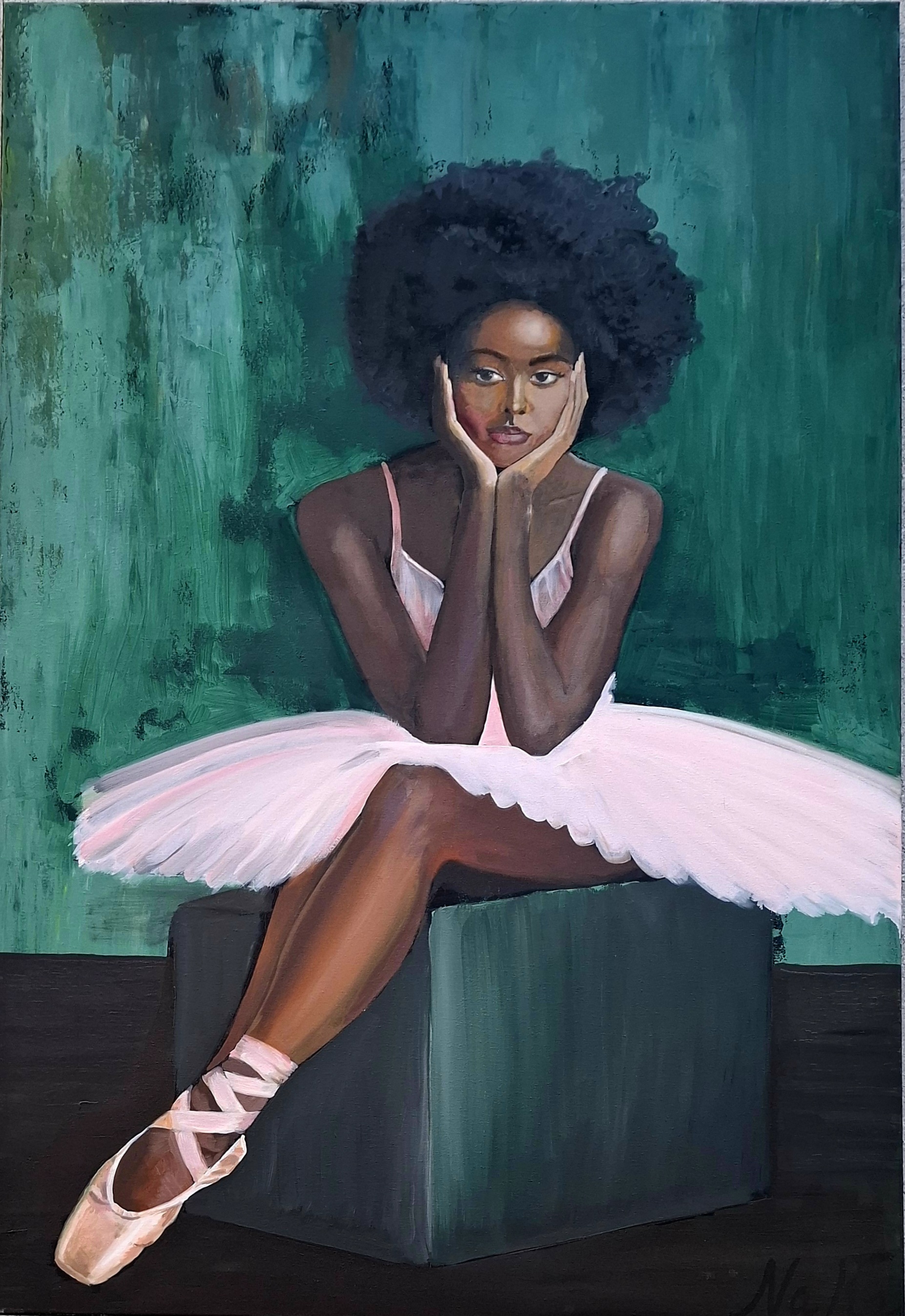
Natalie Kalalb is a contemporary African-American artist of international level, winner of exhibitions in Tanzania, Beijing and Russia, member of the American art association "Dope Black Art". Her professional career in African art began with the work Afroprima, which depicts a black ballerina and has become a symbol of the synthesis of African dance and the Russian academic ballet tradition, demonstrating not the opposition, but the dialogue of cultures. In her work, she strives to overcome the stereotypical perception of Africa and show the depth, intellectual and aesthetic level of contemporary African art. Natalie's works are in private collections in the USA, Spain, Russia and South Africa, where they are considered the property of Africa, and her active exhibition and educational activities in Russia form a steady interest in Afro-art as a serious and independent artistic direction.

The Tinga-Tinga School is a vibrant and distinctive branch of African painting that originated in Tanzania in the 1960s. Its founder, Eduardo Saidi Tingatinga, having no academic education, created his works using enamel paints, using improvised materials such as cardboard or old ceiling tiles. The style is based on recognizable features: lack of perspective, bright, saturated colors, simple and clear lines, as well as a monochrome background, which depicts animals, birds or scenes from African life and mythology in close-up. Today, this art, called the "calling card" of Tanzania, continues to live and develop thanks to its numerous followers around the world.The Tinga-Tinga School is a vibrant and distinctive branch of African painting that originated in Tanzania in the 1960s. Its founder, Eduardo Saidi Tingatinga, having no academic education, created his works using enamel paints, using improvised materials such as cardboard or old ceiling tiles. The style is based on recognizable features: lack of perspective, bright, saturated colors, simple and clear lines, as well as a monochrome background, which depicts animals, birds or scenes from African life and mythology in close-up. Today, this art, called the "calling card" of Tanzania, continues to live and develop thanks to its numerous followers around the world.