03.10.2025
Yesenin: The Poet Who Conquered the World and the Heart of Russia
This year marks the 130th anniversary of the birth of Sergei Yesenin—a genius of Russian poetry whose life, from his rural roots to his international travels, inspires generations
"Only in Russia can you truly breathe" © S.A. Yesenin
October 3 – 130th anniversary of the birth of Sergei Alexandrovich Yesenin (1895–1925)
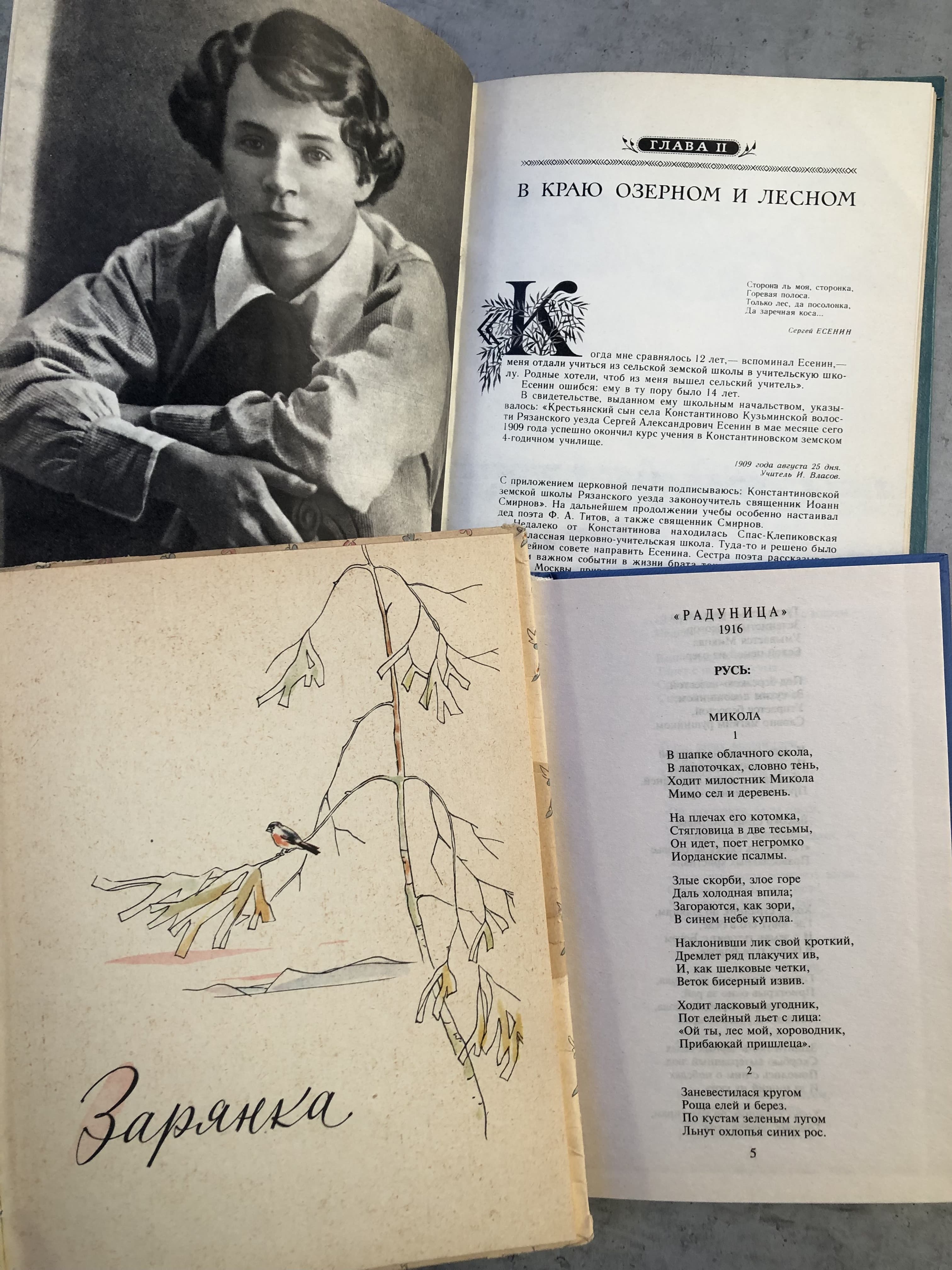
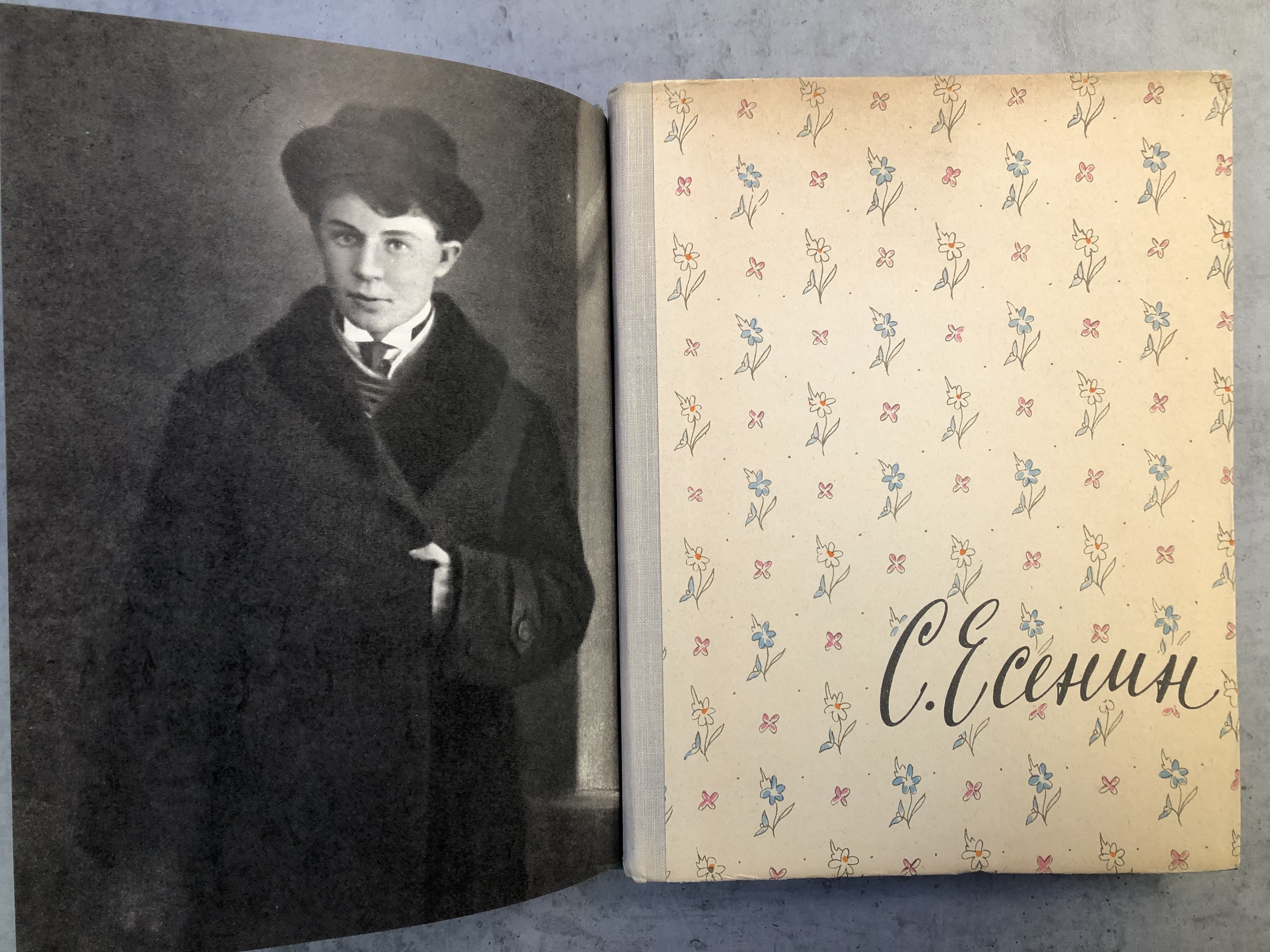
Sergei Yesenin began writing poetry while still a student at the zemstvo school in his native village of Konstantinovo in the Ryazan province. He embarked on serious creative writing while studying in Spas-Klepiki (1910–1912). More than 45 of his poems from those years are known, including the poem "The Tale of Evpatiy Kolovrat."
The poet included eight poems from his Klepiki period in "Radunitsa" (1915), his very first book, published in Petrograd with the support of Nikolai Klyuev (1884–1937). Sergei Yesenin's works were previously published in the literary journals "Northern Notes," "Russkaya Mysl," and the children's magazines "Mirok" and "Protalinka."
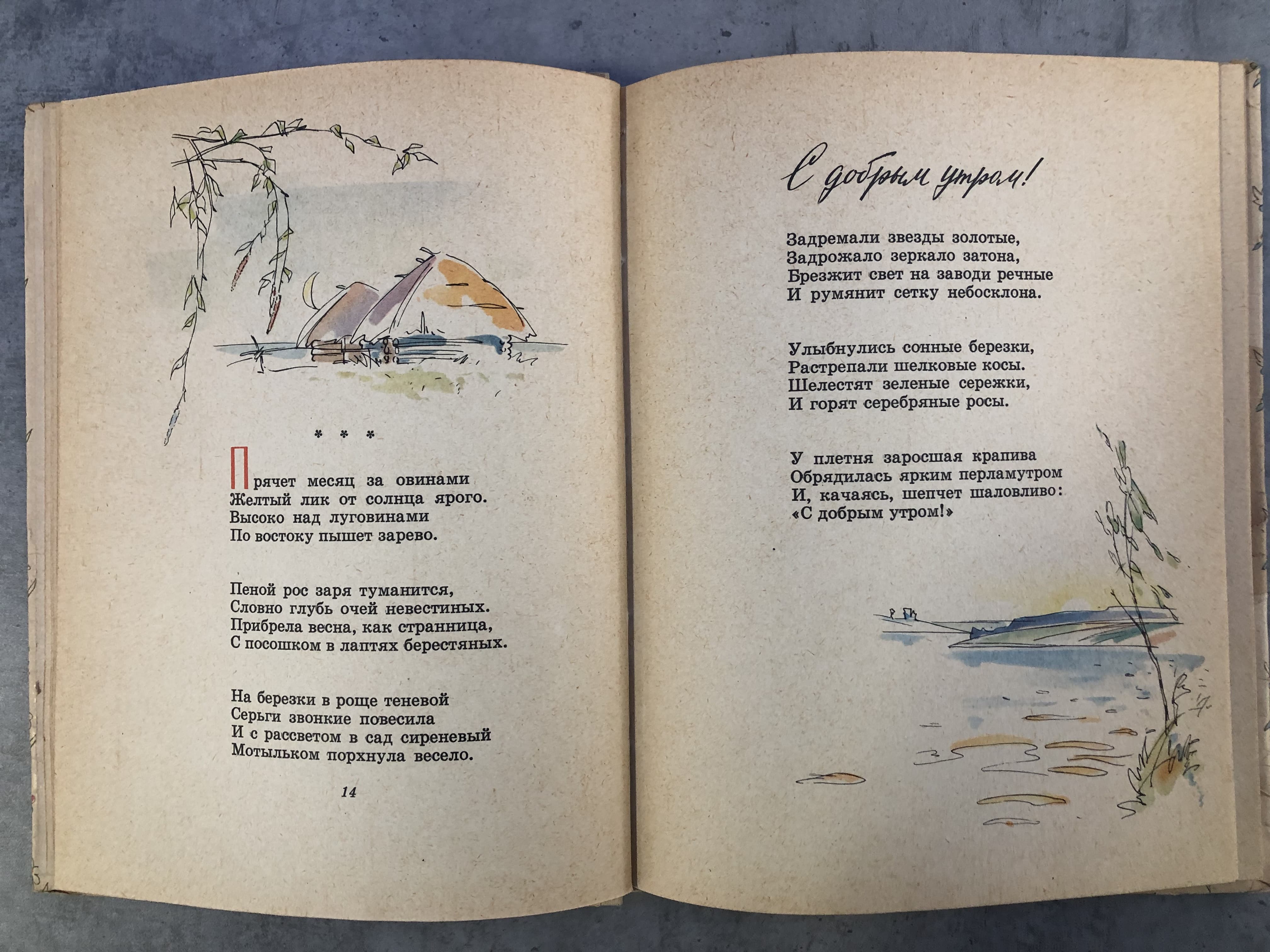
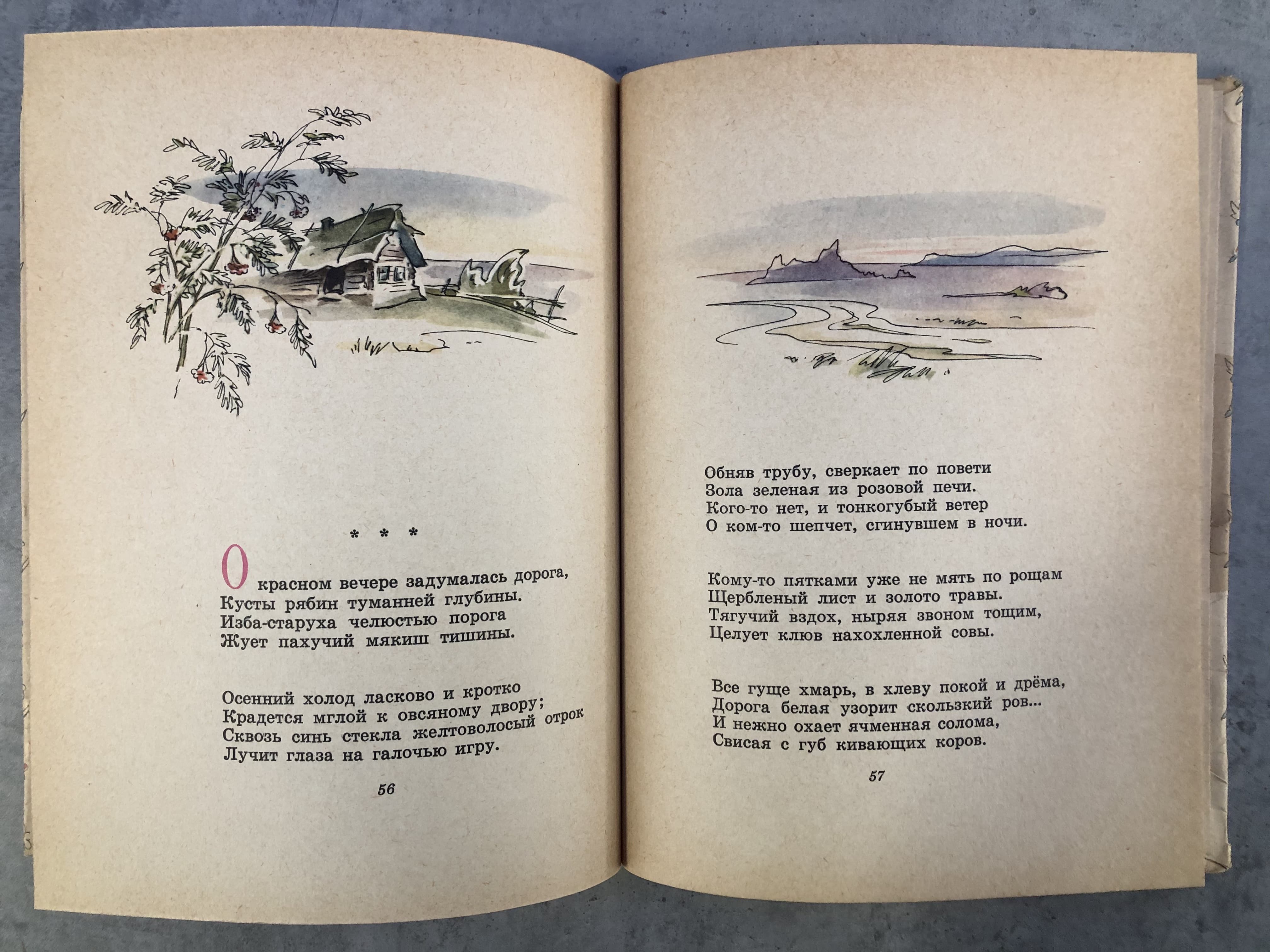
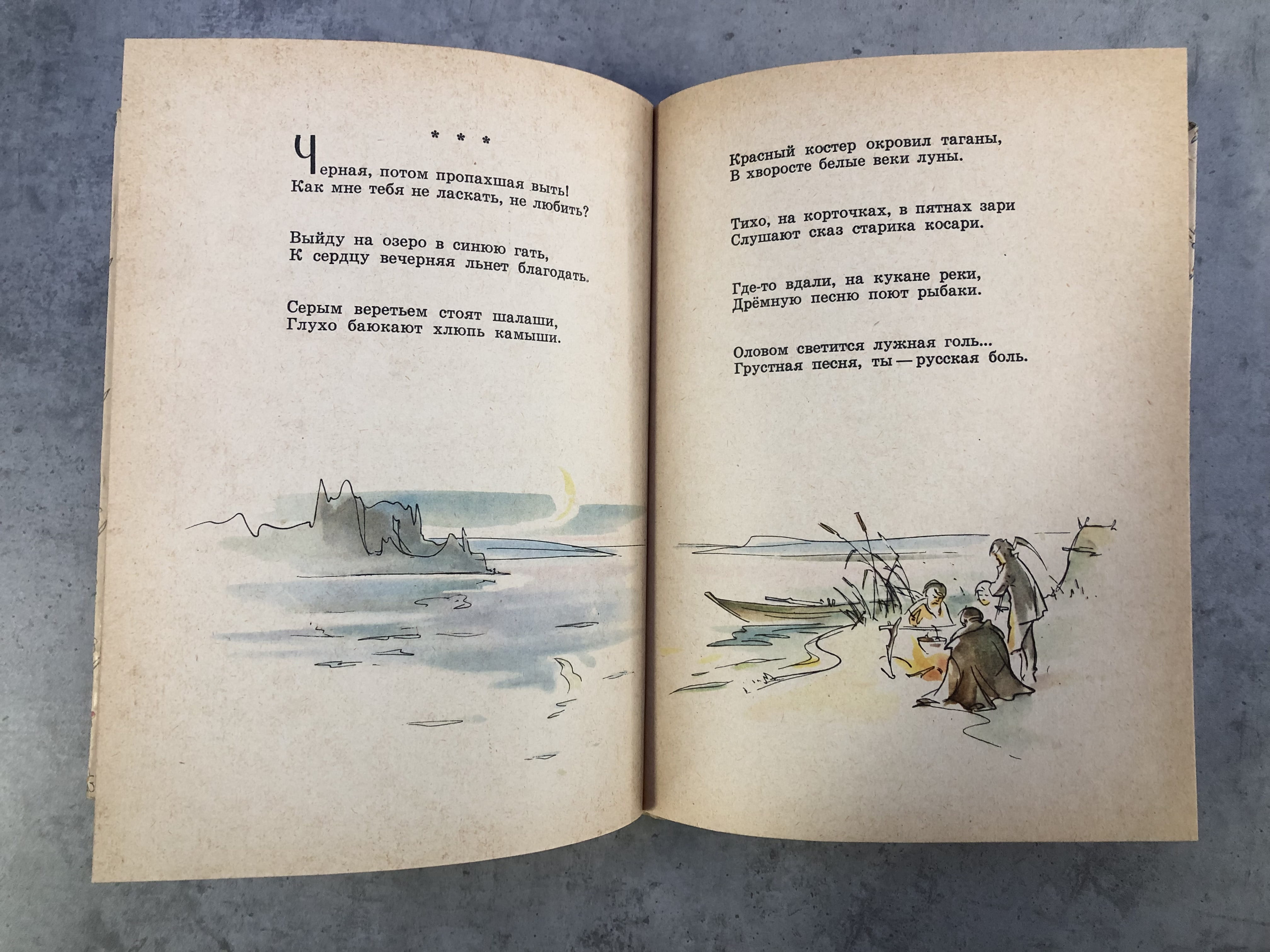
A collection of children's poems, "Zaryanka" (1916), was never published. The RUDN University library holds the first edition of "Zaryanka" (1964), with a preface by the poet's sister, Alexandra Yesenina (1911-1981), and magical illustrations by Nikolai Zakharzhevsky (1922-1984).
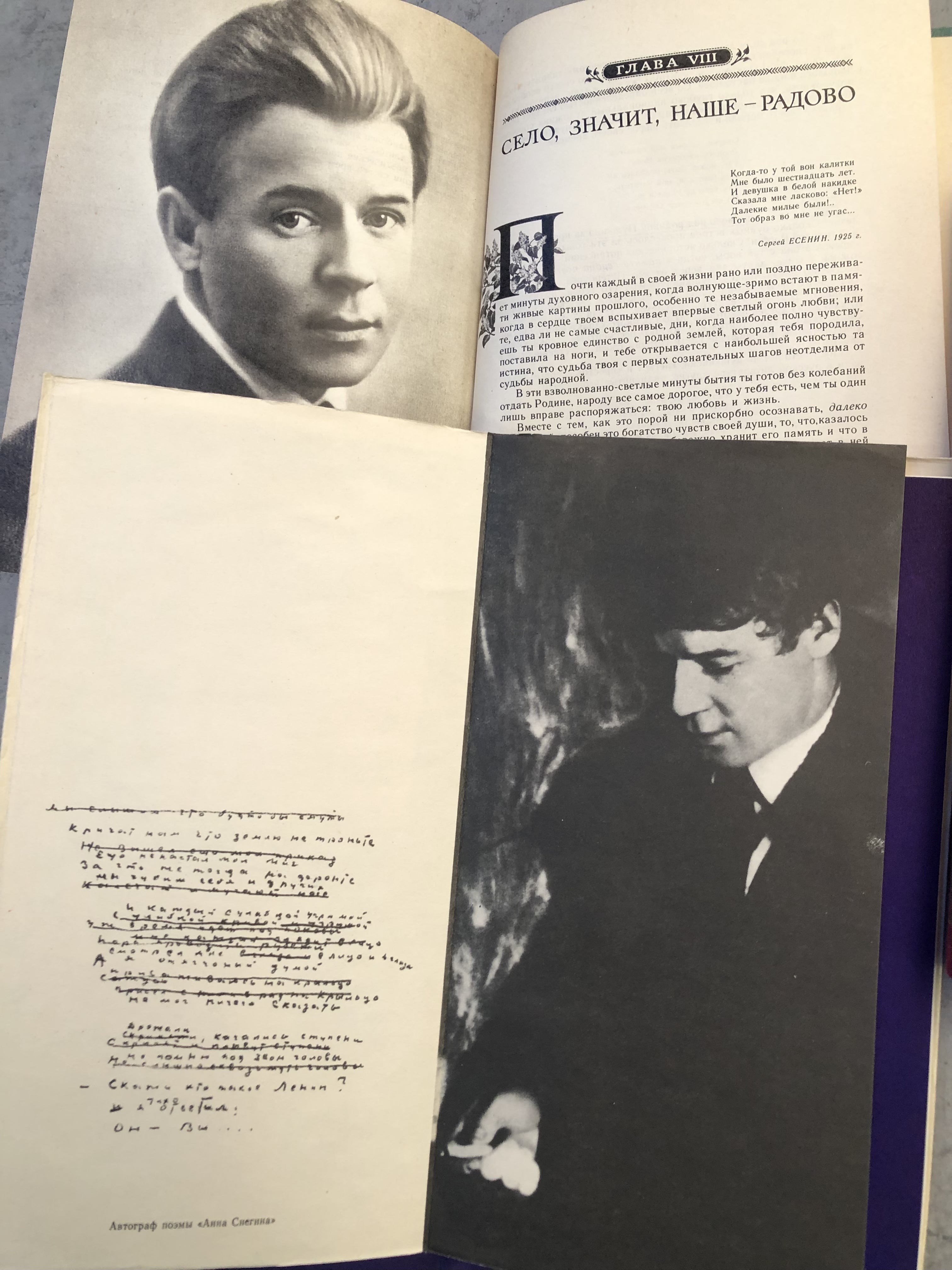
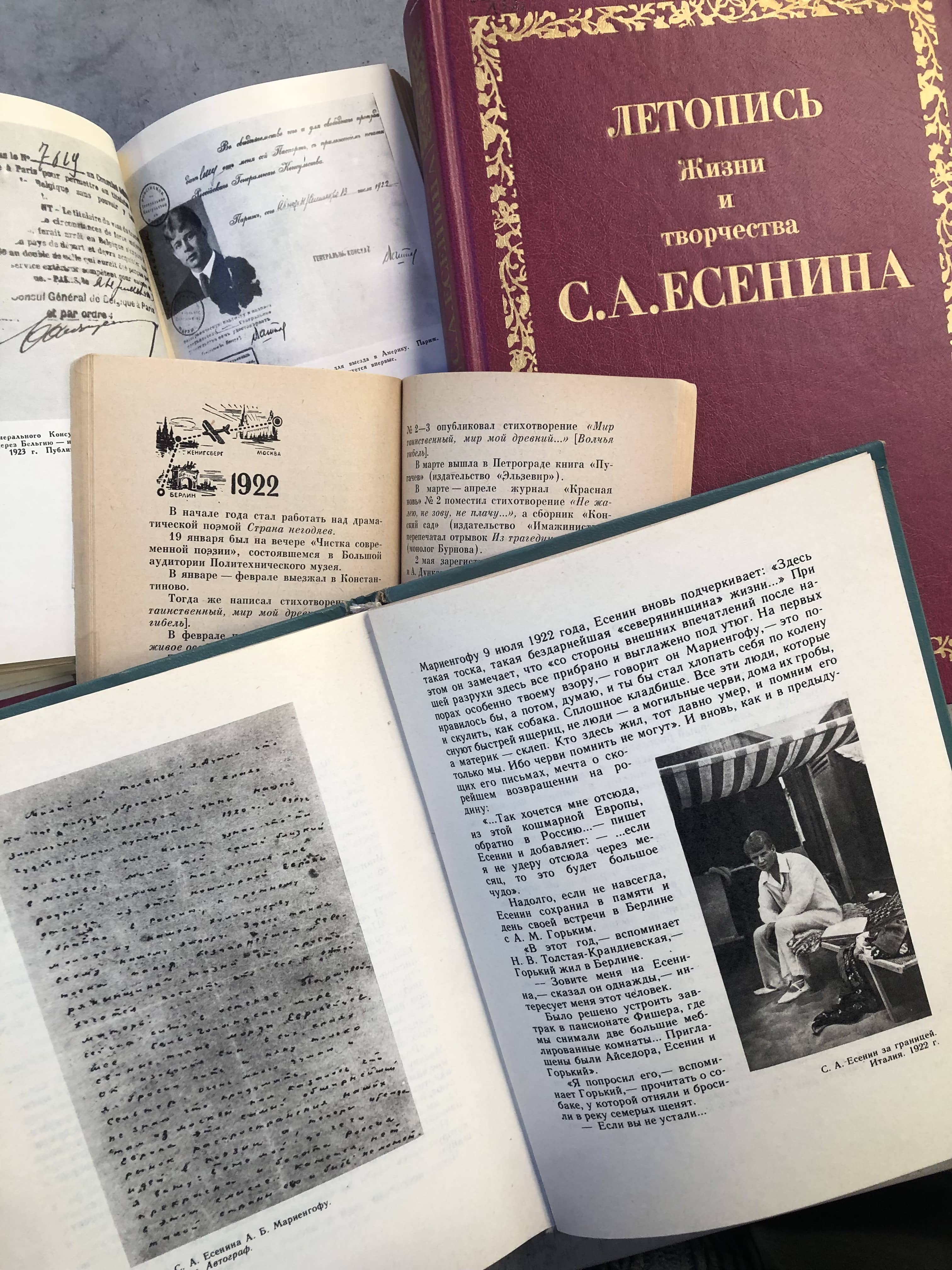
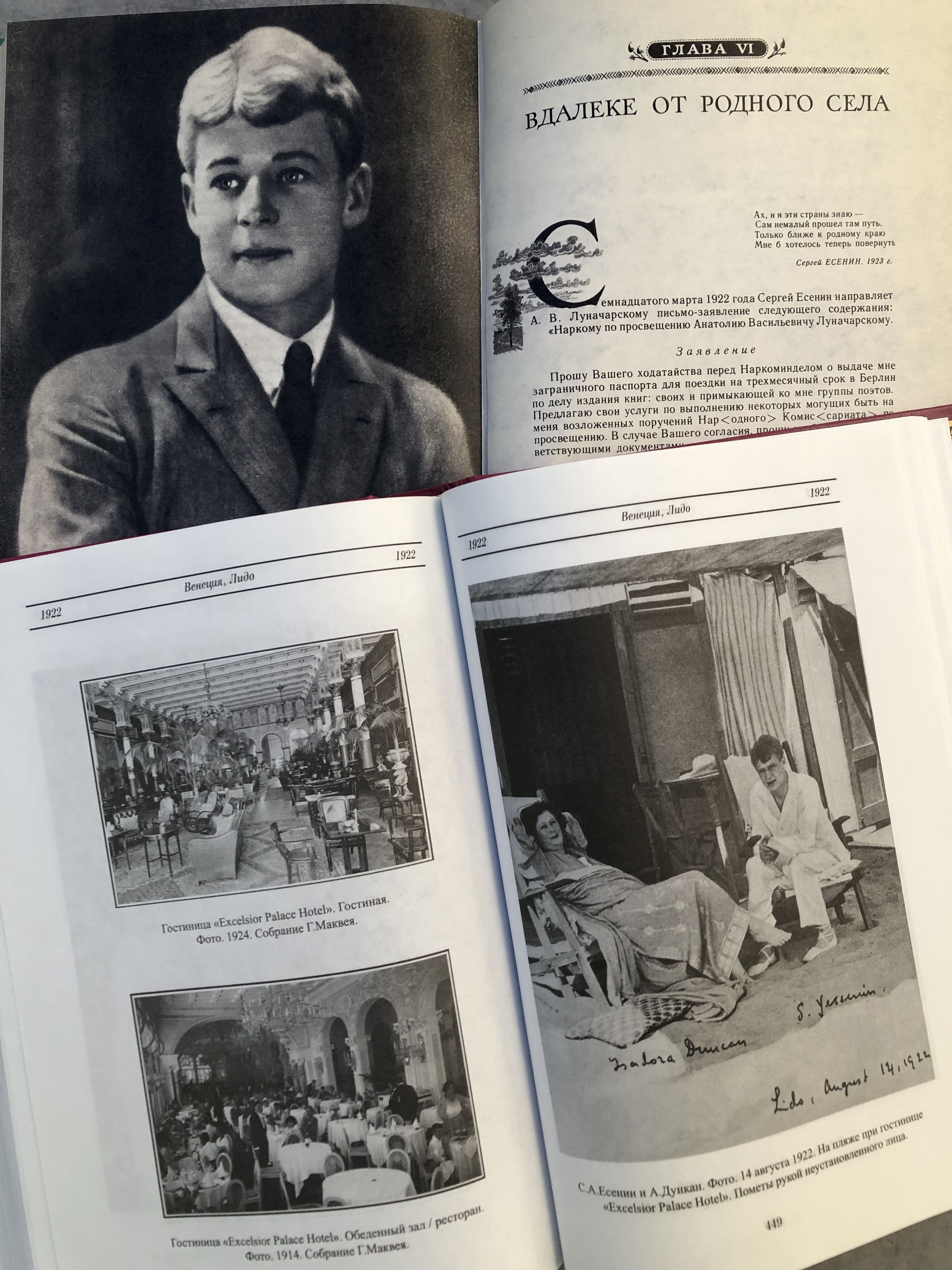
Another modern book from the library's collection, "Chronicle of the Life and Work of S.A. Yesenin" (2008), the third volume of a five-volume academic collection, is dedicated to the least studied period of his biography. This publication includes new factual materials from Russian, émigré, and foreign newspapers, magazines, and non-periodical publications from 1922-1923. Sergei Yesenin and Isadora Duncan were among the first passengers on Aeroflot's international flight to Königsberg (1922). They traveled to Berlin by overnight train. Sergei Yesenin brought his "Pugachev" (1921) to Berlin. The book traces his journey around the world, day by day, lasting over a year.
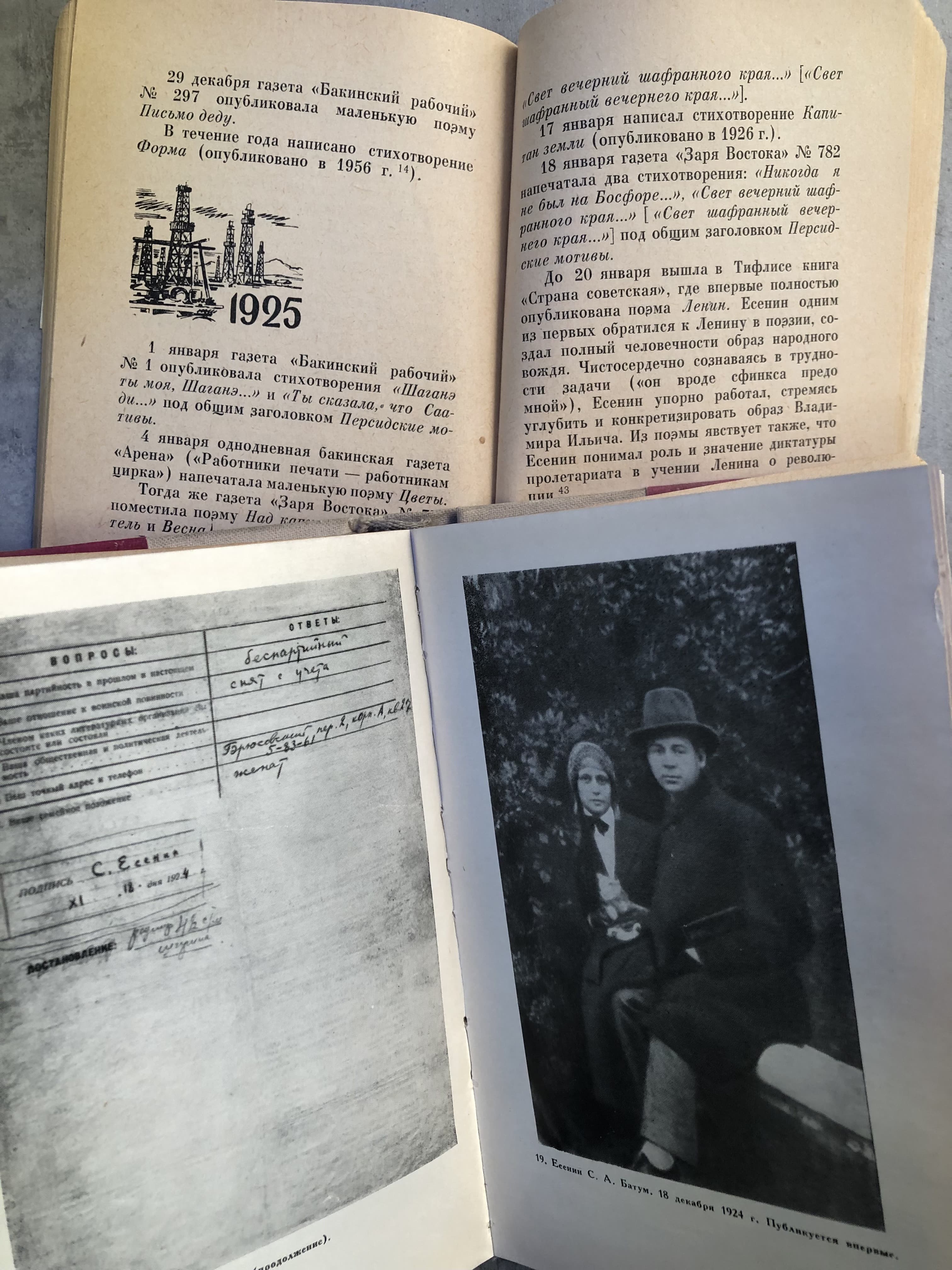
Upon returning from abroad, Yesenin experienced a unique creative surge: "Probably because I saw something and found peace," and also: "It's simply because I am alone and focused on myself," he wrote from the Caucasus (1924-1925).