25.02.2026
From Science to Law: A Personal Top-5 from a RUDN University Student
A top-5 list of books that combine scientific inquiry, legal thought, and timeless classics—recommendations for students and followers of the RUDN University Scientific Library
Since childhood, I have been fascinated by science; since my youth, by Russian classics; and since high school, by law. In this regard, I suggest you familiarize yourself with the books below. This is not a top-5 list of the best books, nor a top-5 list of books everyone must read; these are 5 recommendations for RUDN University students and subscribers of our Scientific Library.
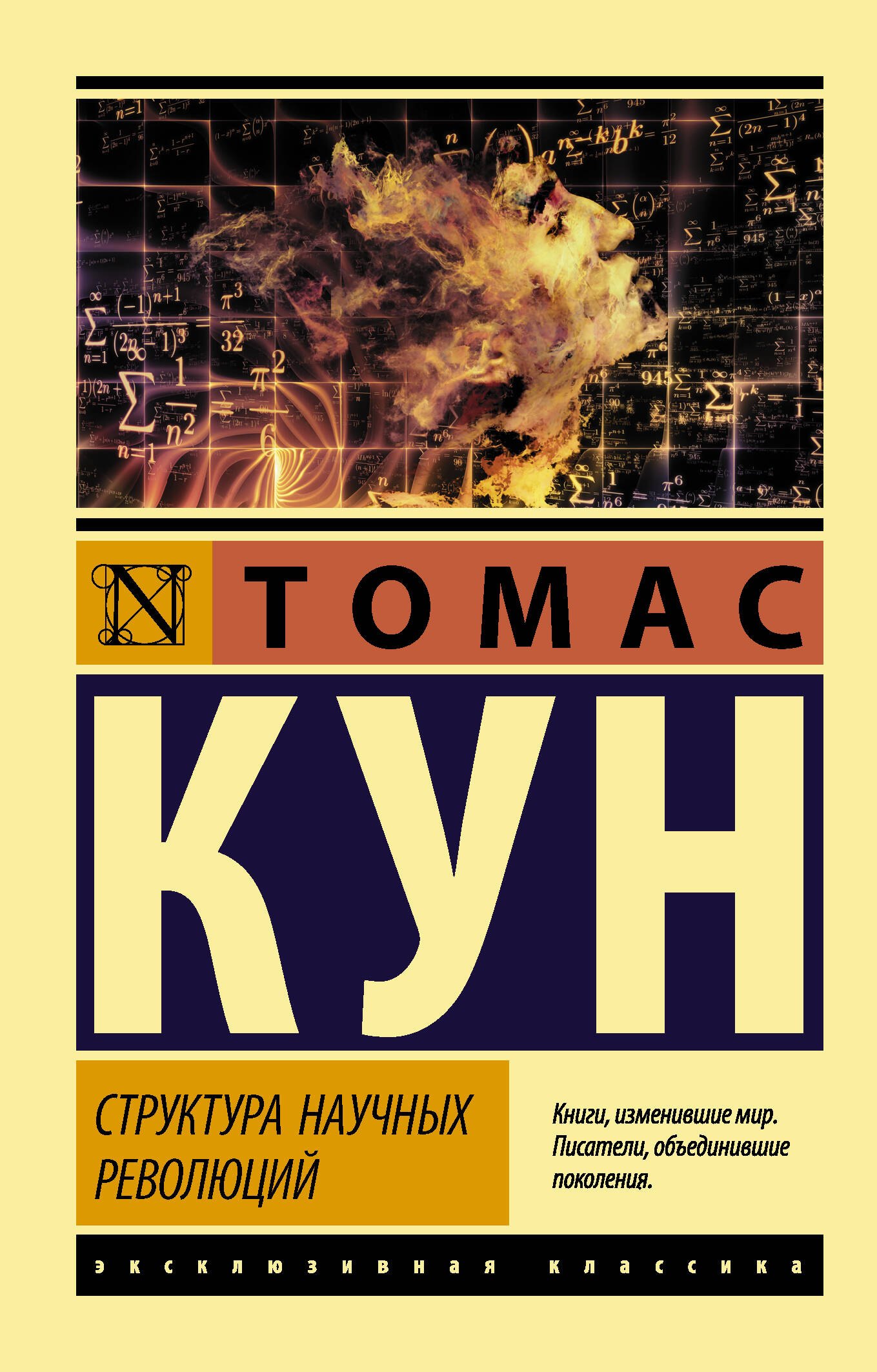
1. Thomas Kuhn "The Structure of Scientific Revolutions"
I regularly encountered a vulgar perception of science: as if every hypothesis must be confirmed, and every study must颠覆 the conventional worldview. If not, the research is considered meaningless. For those who still hold such a perception, I strongly recommend Thomas Kuhn, who analyzes the history of science and puts forward a theory of scientific revolutions. If you've heard the phrase "paradigm shift," it entered common parlance thanks to Kuhn
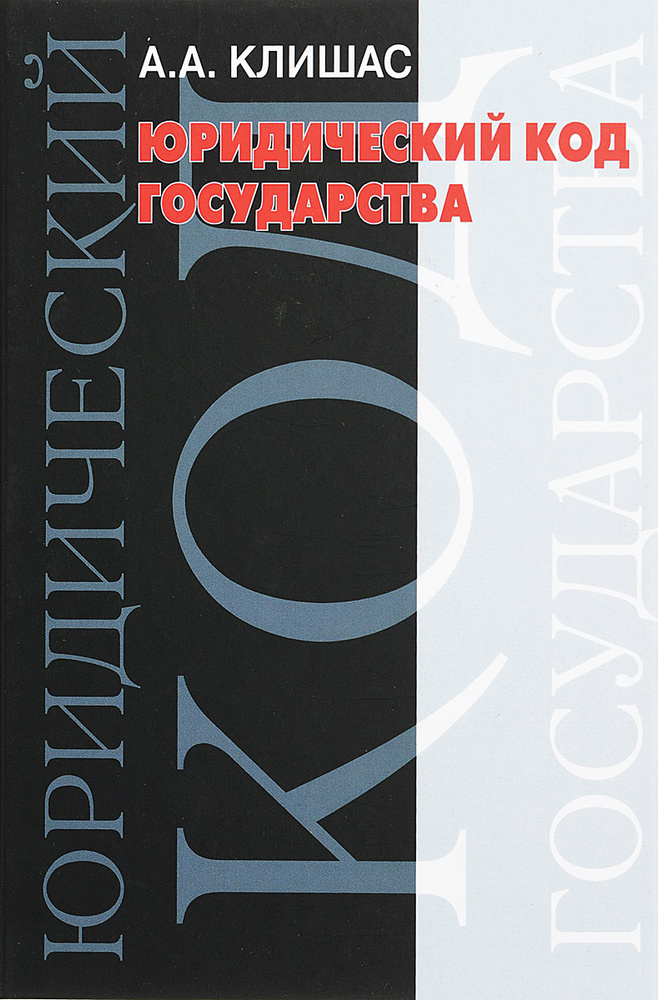
2. Andrey Klishas "The Legal Code of the State"
I believe that recommendations for the RUDN University Scientific Library should include at least one RUDN graduate. In this regard, I recommend the work of Andrey Klishas, Head of the Department of Theory of Law and State at the RUDN Law Institute. The book elaborates on the connection between the state and law, drawing on Russian and international judicial practice. I recommend it primarily to first- and second-year law students in the context of studying the Theory of State and Law and Constitutional Law
3. Samuel Moyn – "The Last Utopia: Human Rights in History"
Moyn recounts the history of the institution of human rights and argues for rather non-obvious and unconventional theses. For me, the most surprising was the fact that decolonization is not directly linked to human rights and does not imply it, and also that the very concept of human rights is a product of the creativity of lawyers and politicians in the second half of the 20th century, not an eternal truth dating back to Ancient Greece or the French Revolution. I recommend it to anyone interested in and studying human rights
4. Vladimir Lafitsky – "The Poetry of Law. Pages of Lawmaking from Antiquity to the Present Day"
This book by a student of Avgust Mishin is dedicated to the interconnection between art and jurisprudence throughout the ages. It demonstrates the link between literary creativity and legal language, noting that in our time, the poetic nature of legal language has been pushed aside in favor of bureaucratese, but the author does not lose hope that new poets of law will emerge in the future
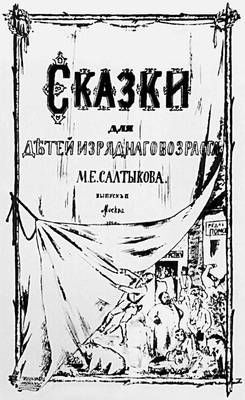
5. Mikhail Saltykov-Shchedrin "Fairy Tales for Children of a Fair Age"
The year 2026 marks many anniversaries, including literary ones; one has already passed. At the end of January, it was the 200th anniversary of the birth of Mikhail Evgrafovich Saltykov, who is better known to us as Saltykov-Shchedrin. Many have heard his aphorisms, and many have heard aphorisms attributed to him. I think now is a perfect time to dive back into the world of captivating satire that exposes not only the vices of Tsarist Russia but also of eternal Russia, which is why the tales are not only funny and moralizing but also very relevant
To participate in the TOP-5 BOOKS column, send your applications to ayibova-ev@rudn.ru — Your Academic Cat