24.02.2026
Grimm's Fairy Tales: A Family Tradition and Cultural Heritage
"And we continue to work; there is no better work in this life than ours" (Wilhelm Grimm)
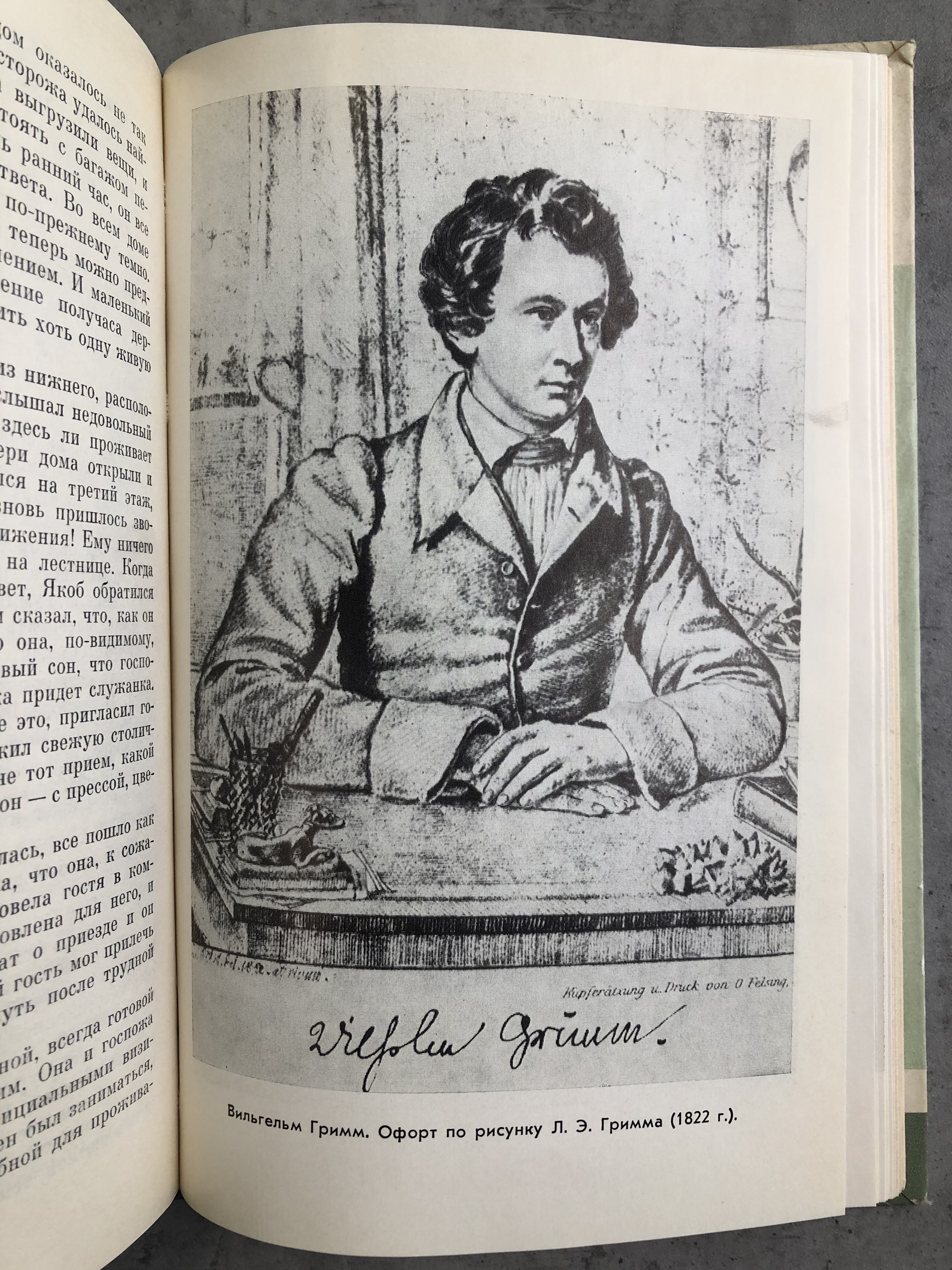
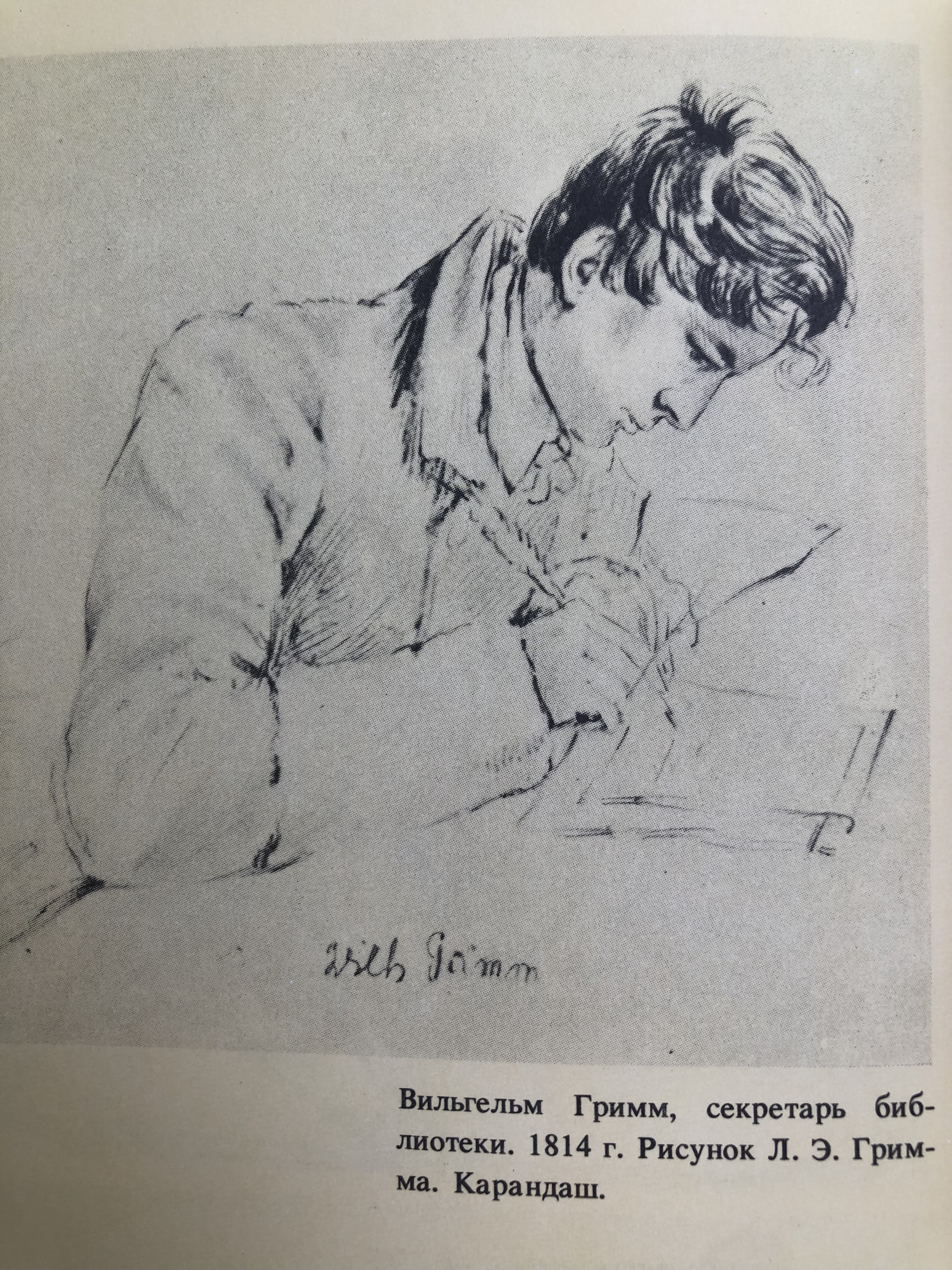
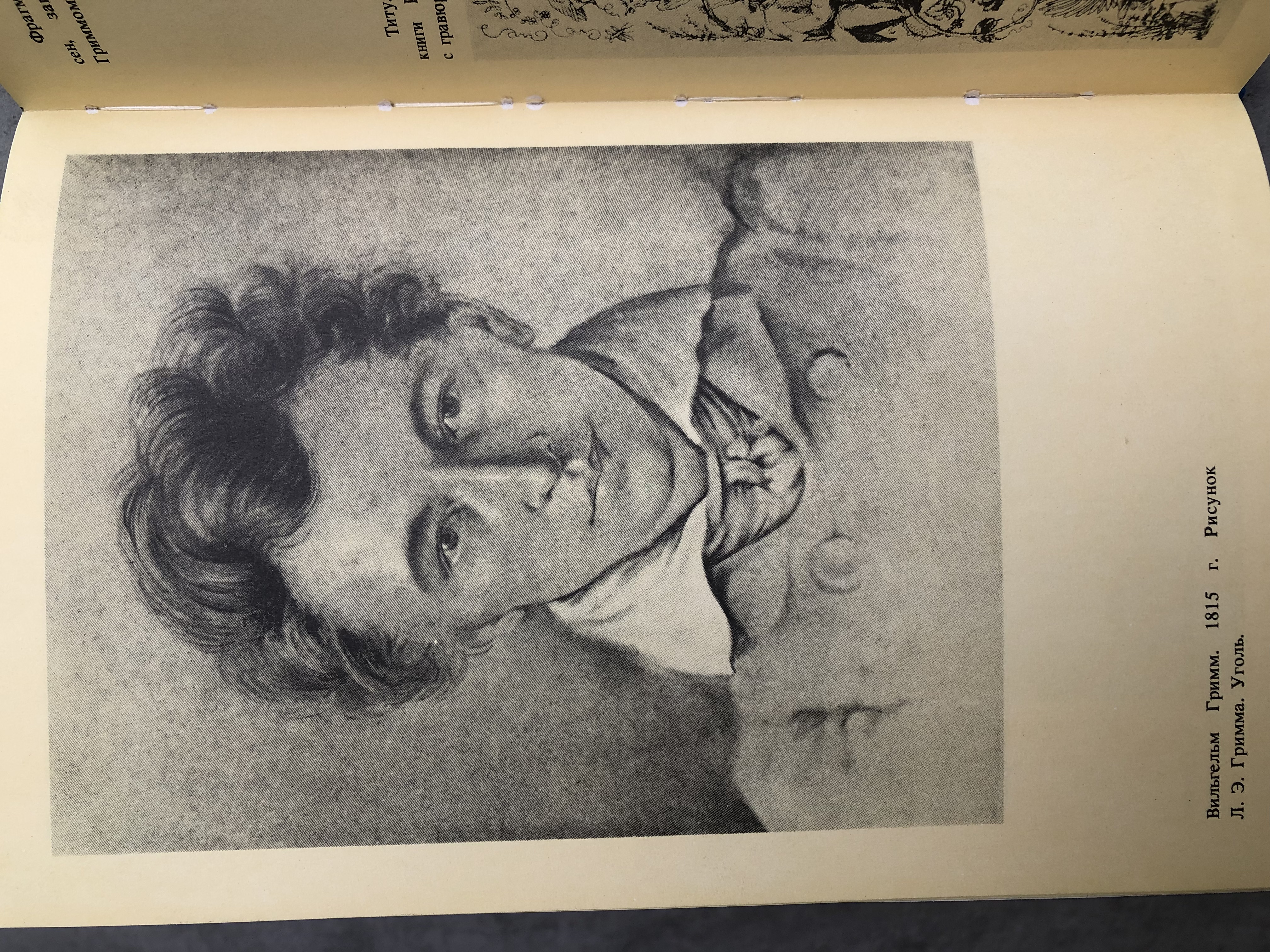
Wilhelm Carl Grimm (1786–1859) was a German philologist whose life and work are inseparably linked with the name of his older brother Jacob (1785–1863). There exist both joint and independent studies by the brothers, which laid the foundation for the comprehensive science of German studies and Germanic philology.
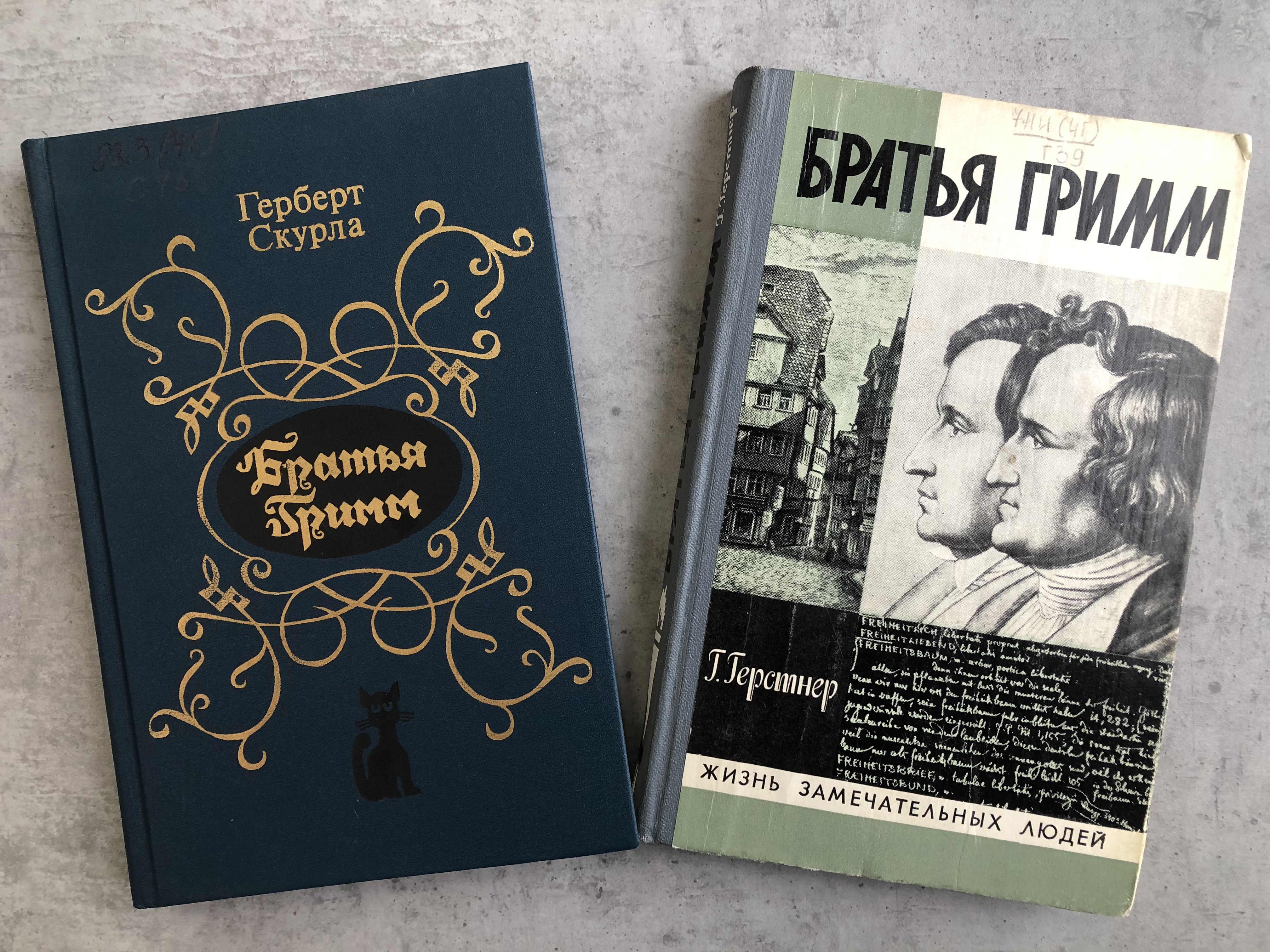
The most outstanding joint work of the Brothers Grimm is their fundamental collections of folk tales. The RUDN Library has modern editions of these works.
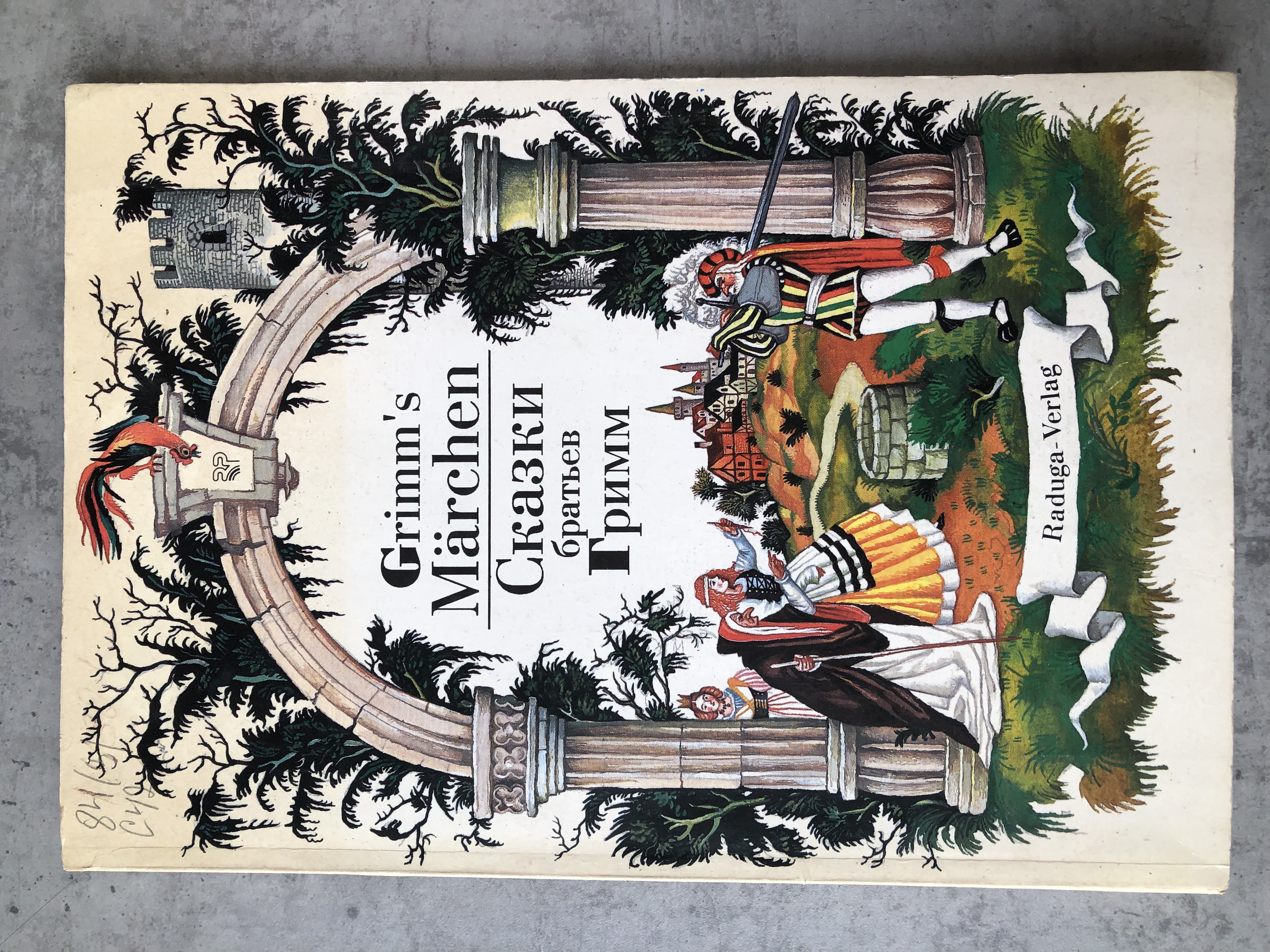
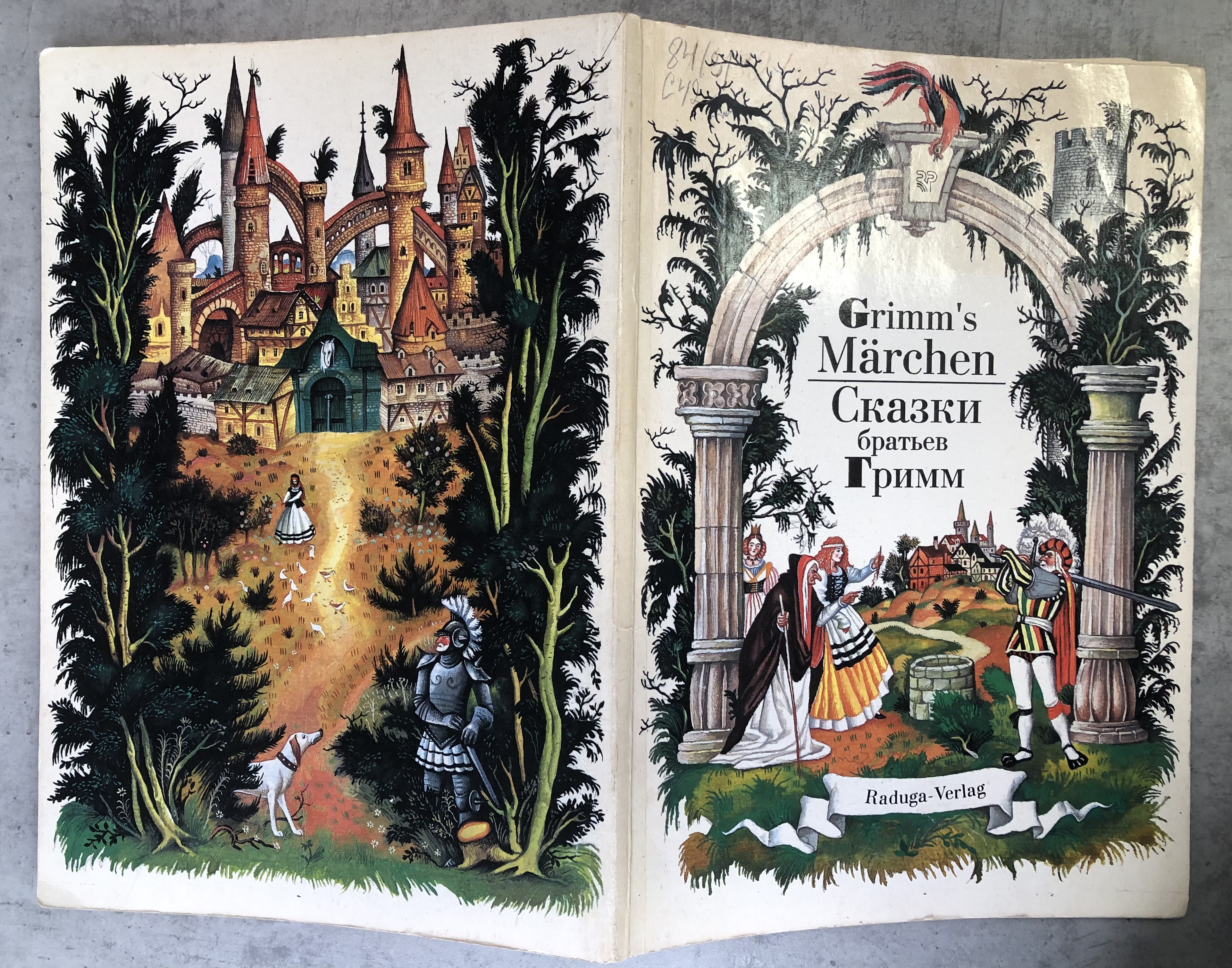
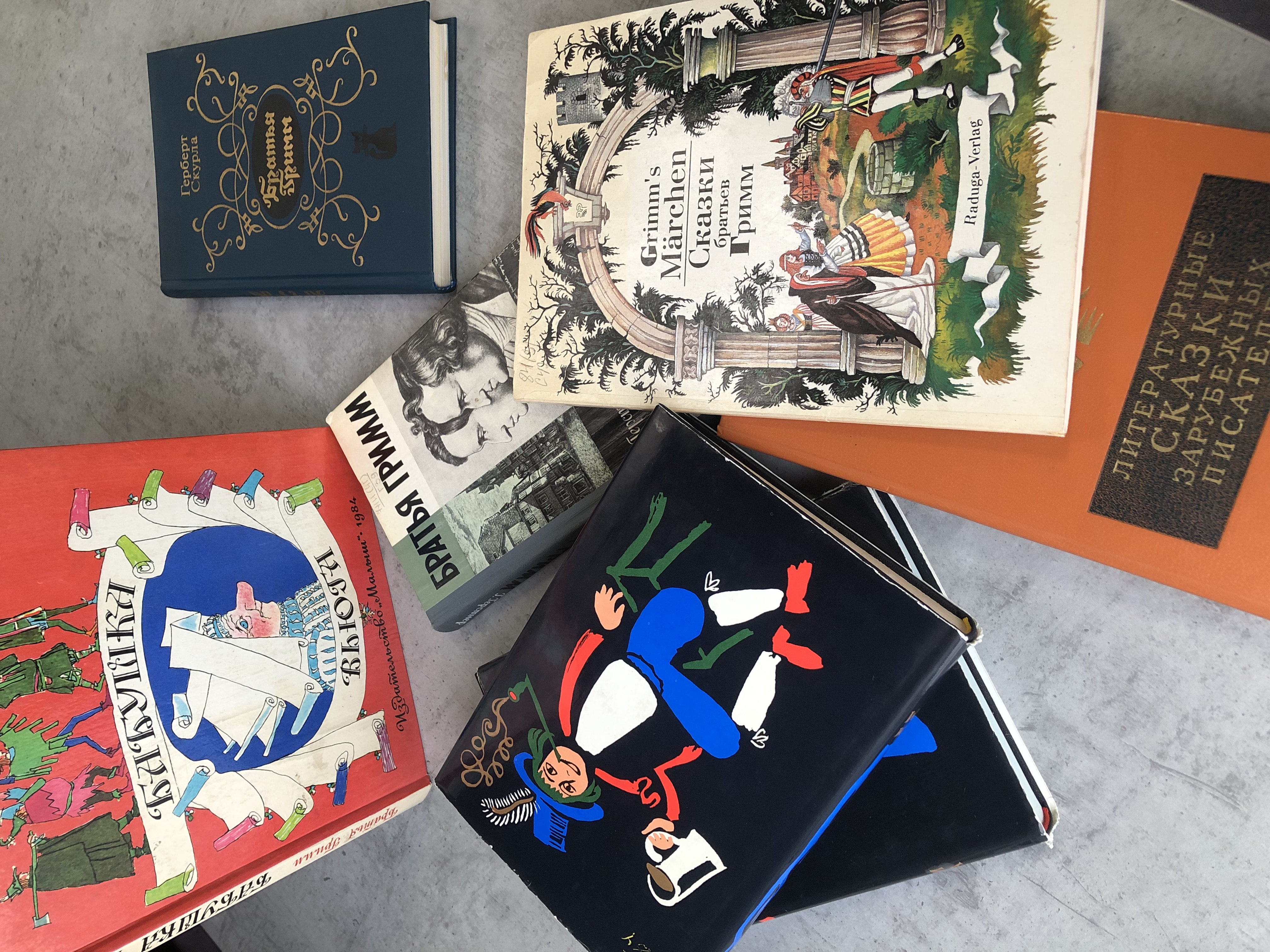
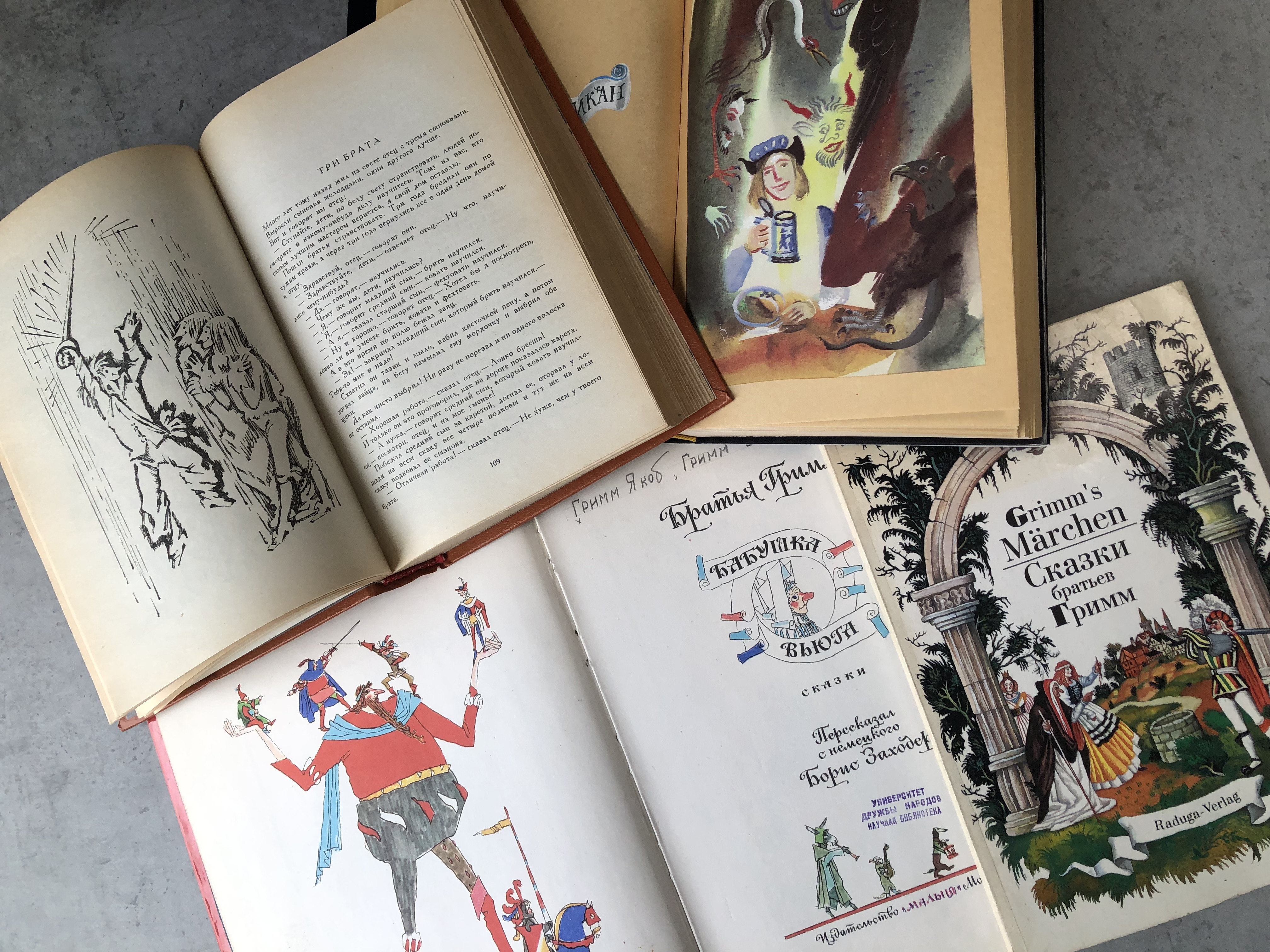
The bilingual collection "Grimm’s Märchen" (Fairy Tales of the Brothers Grimm, 1978) includes tales from the eleventh edition of "Die Kinder- und Hausmärchen der Brüder Grimm" (1812) and the Russian translation by Grigory Nikolaevich Petnikov (1894–1971).
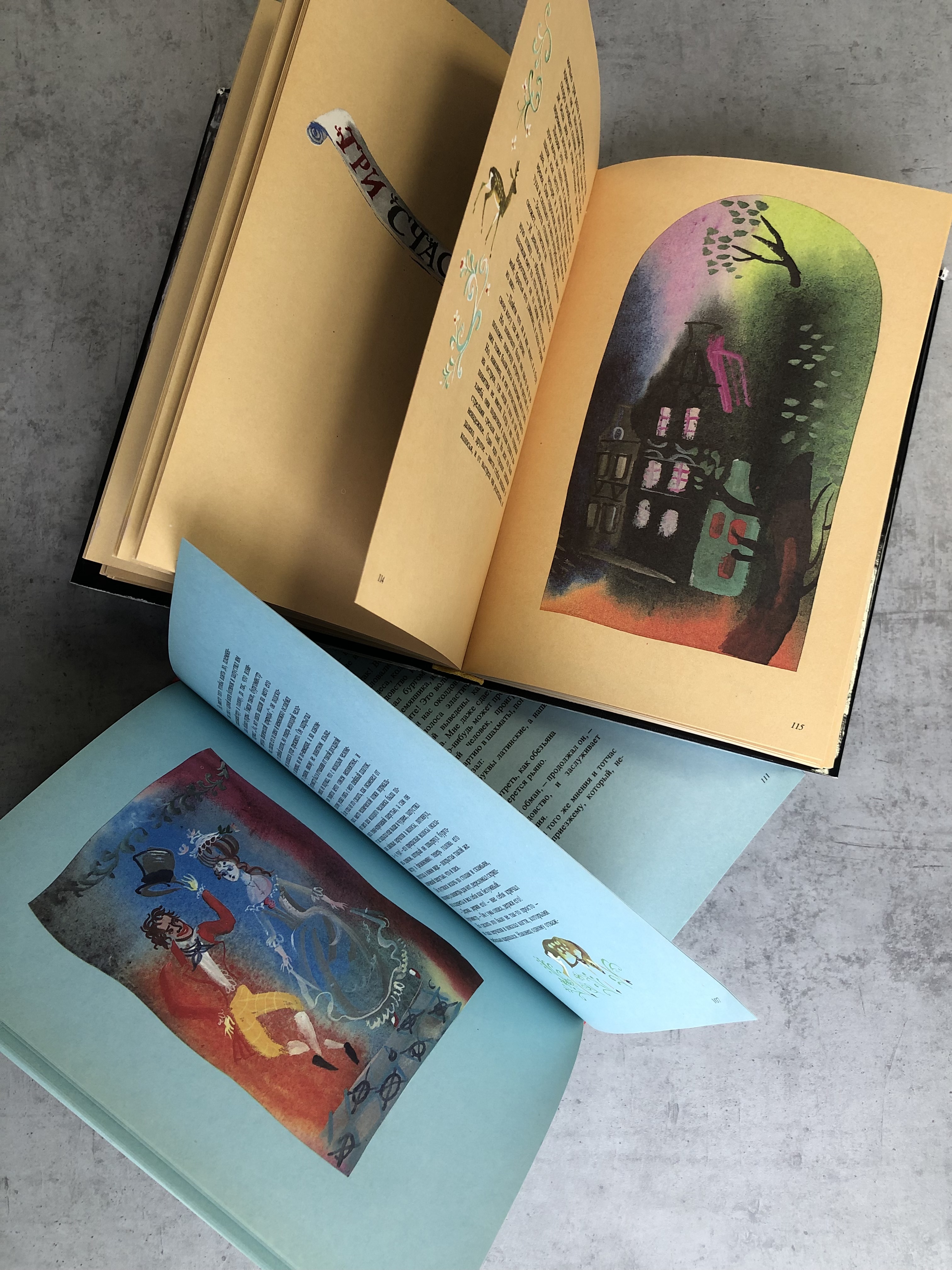
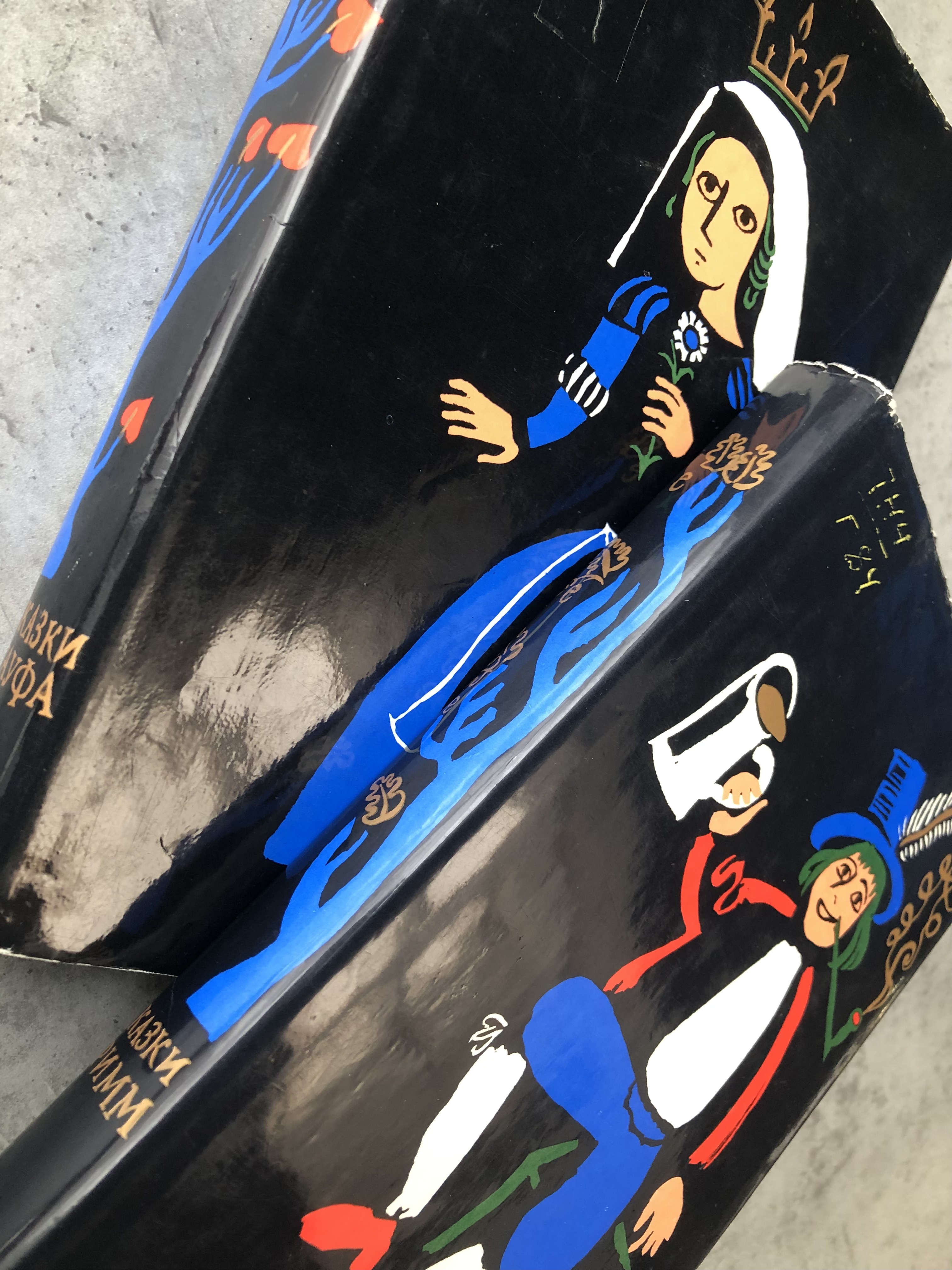
The second volume of a deluxe set of German fairy tales, illustrated by the artists known as the Traugot brothers (Leipzig, 1979), also contains translations by G.N. Petnikov. Compare these with the retellings by Alexander Ivanovich Vvedensky (1904–1941) by opening the collection "Literary Tales of Foreign Writers" (1983).
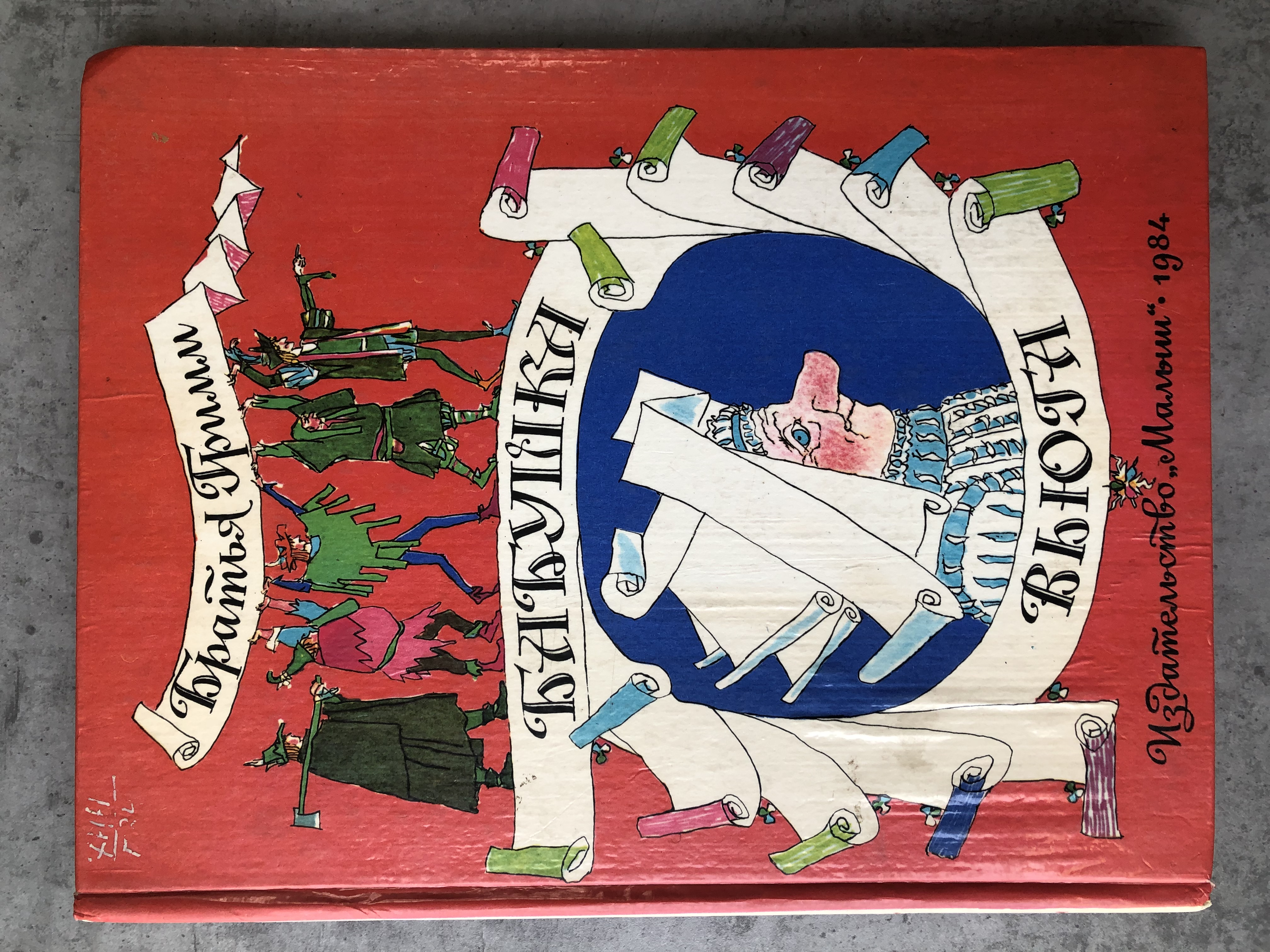
The library also holds retellings for young children by Boris Vladimirovich Zakhoder (1918–2000): "Grandmother Blizzard" (1984), with surreal illustrations by Mikhail Solomonovich Mayofis.
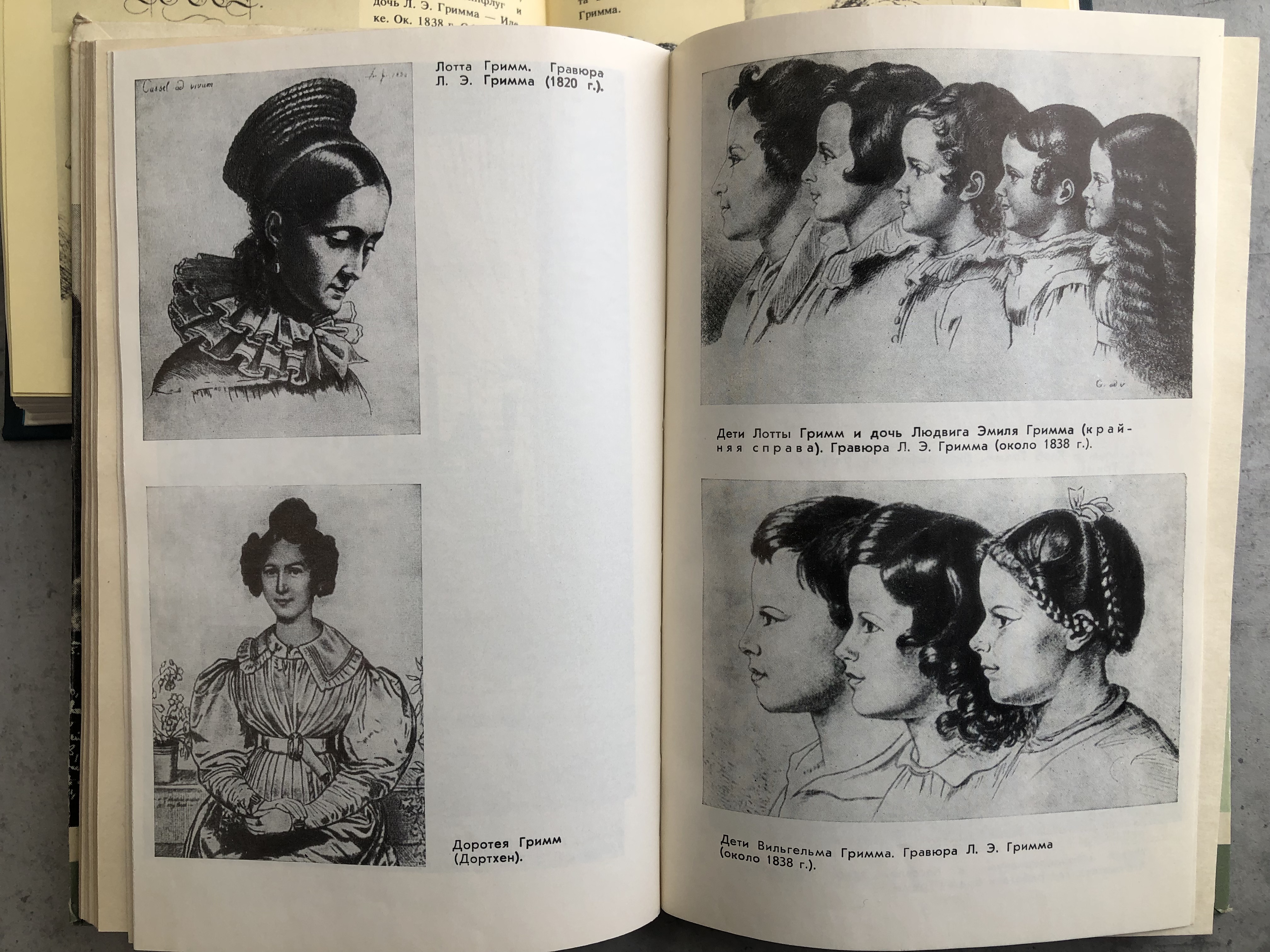
Boris Zakhoder referred to Frau Holle as "Grandmother" – she is the heroine of the very first fairy tale that Wilhelm Grimm heard from his future wife, Dorothea Wild.
Tales were told by all members of the pharmacist Wild's family, and even by their housekeeper, Old Marie: "The Girl Without Hands" and "The Frog Prince" are characters from Old Marie's stories.
"The Devil with the Three Golden Hairs," "King Thrushbeard," and other magical tales were recorded by the Grimms in the family of the future husband of their only sister, Charlotte (Hassenpflug). Many families from the Grimms' Hessian circle willingly shared their household tales.
A need arose to present all this collected, diverse material as a unified whole, told as if by a single person. The stylistic editing of the tales was undertaken by Wilhelm Grimm, who was gifted with artistic taste.