20.02.2026
memorable_date
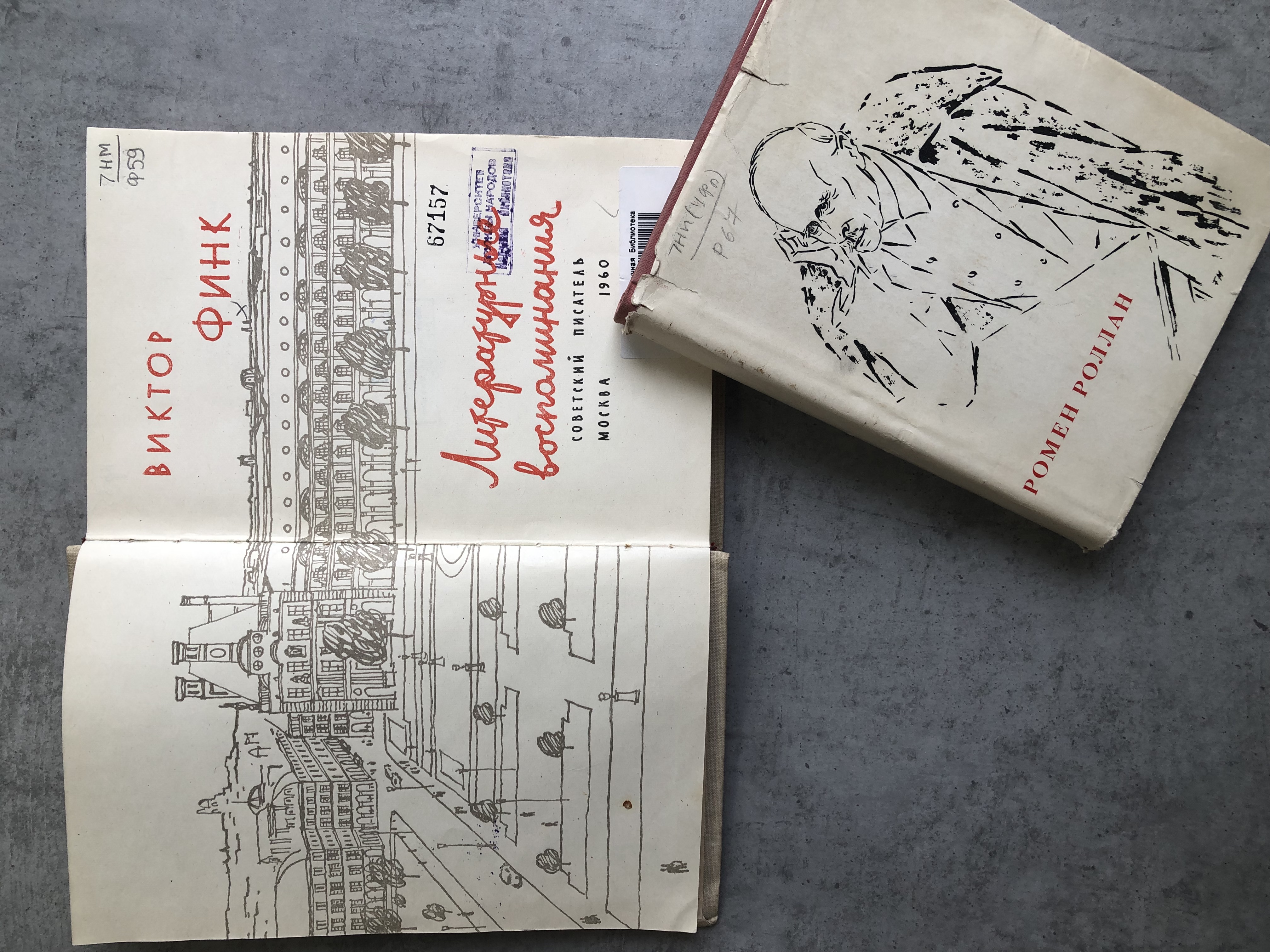
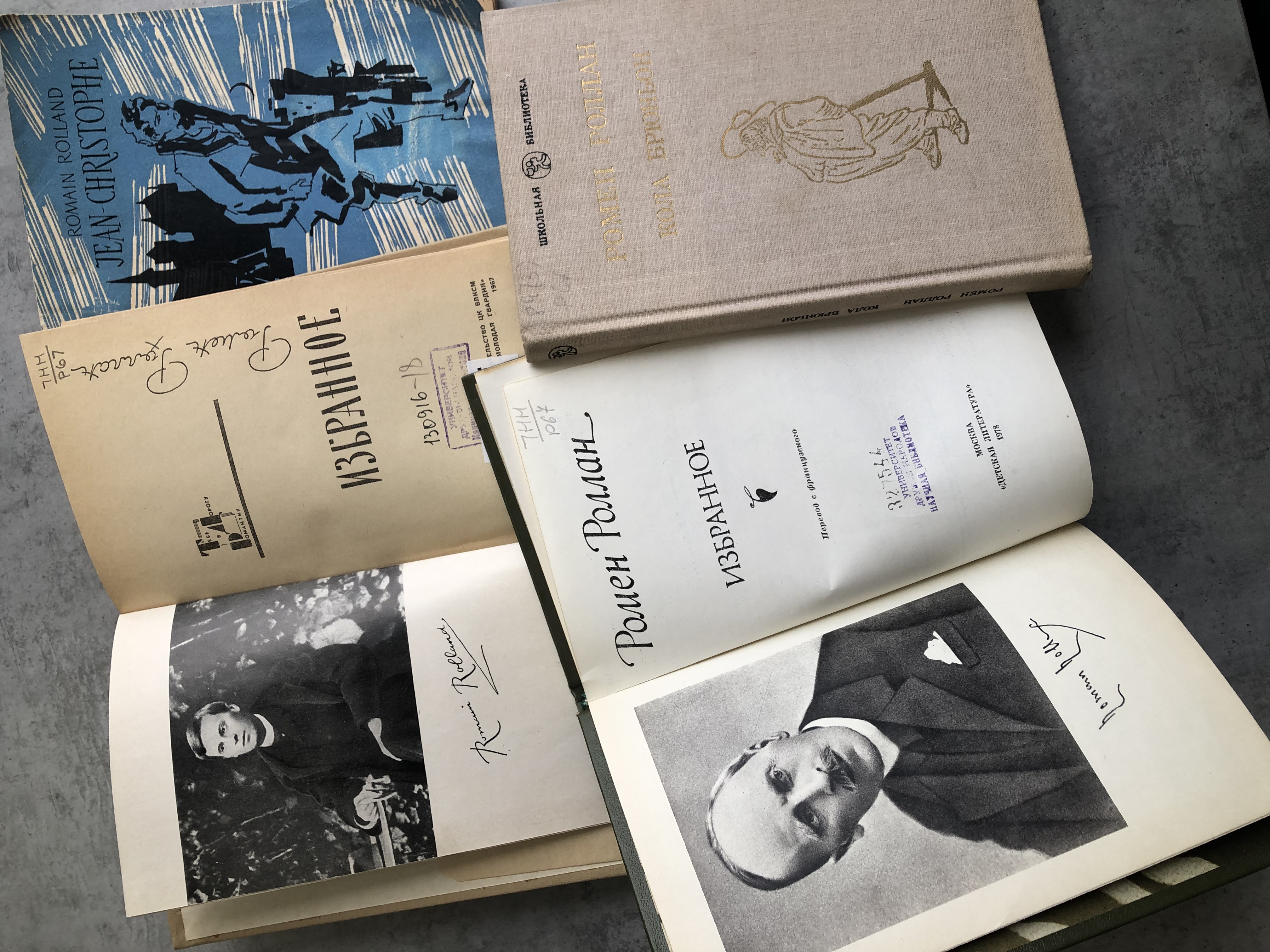
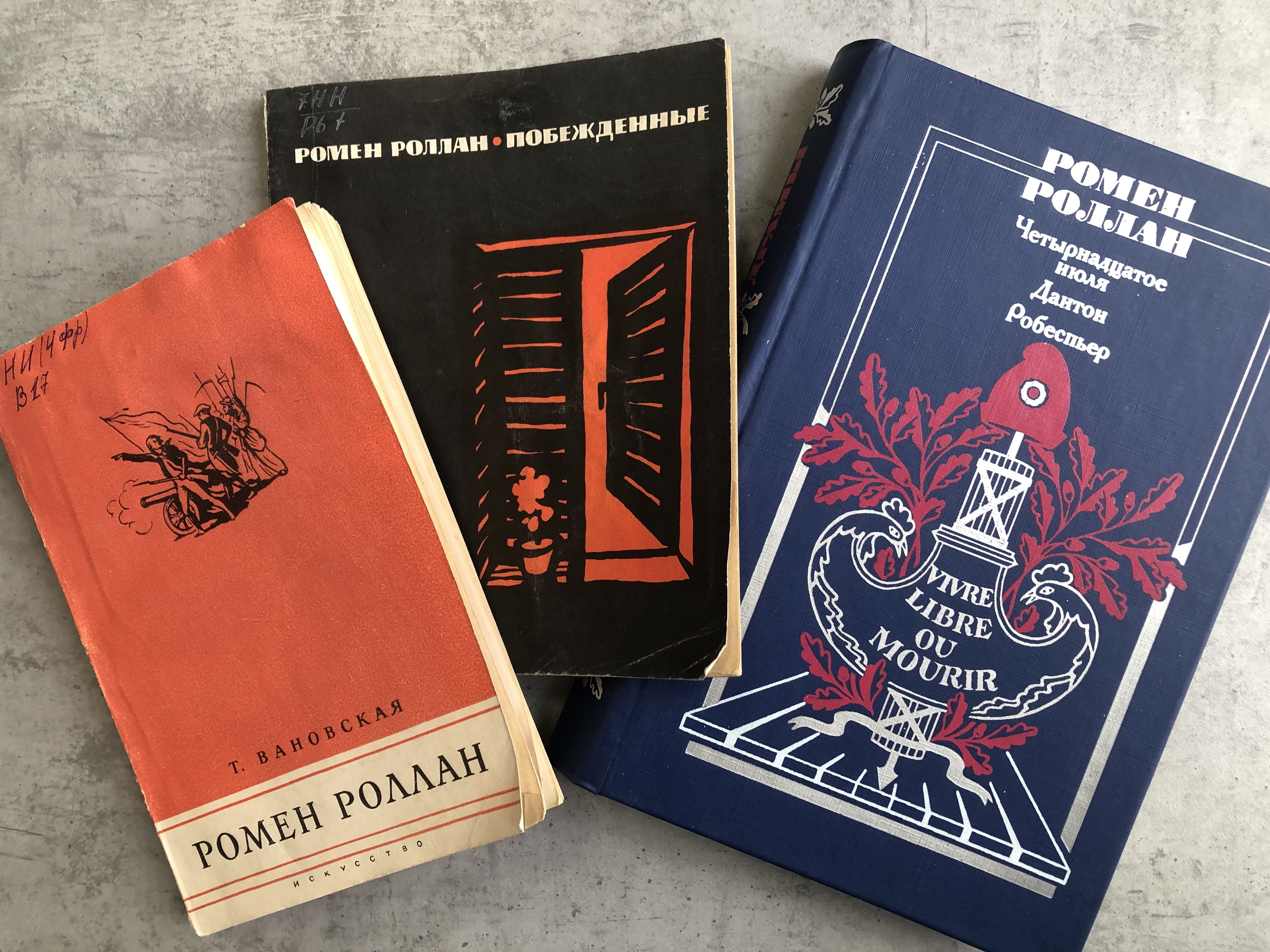
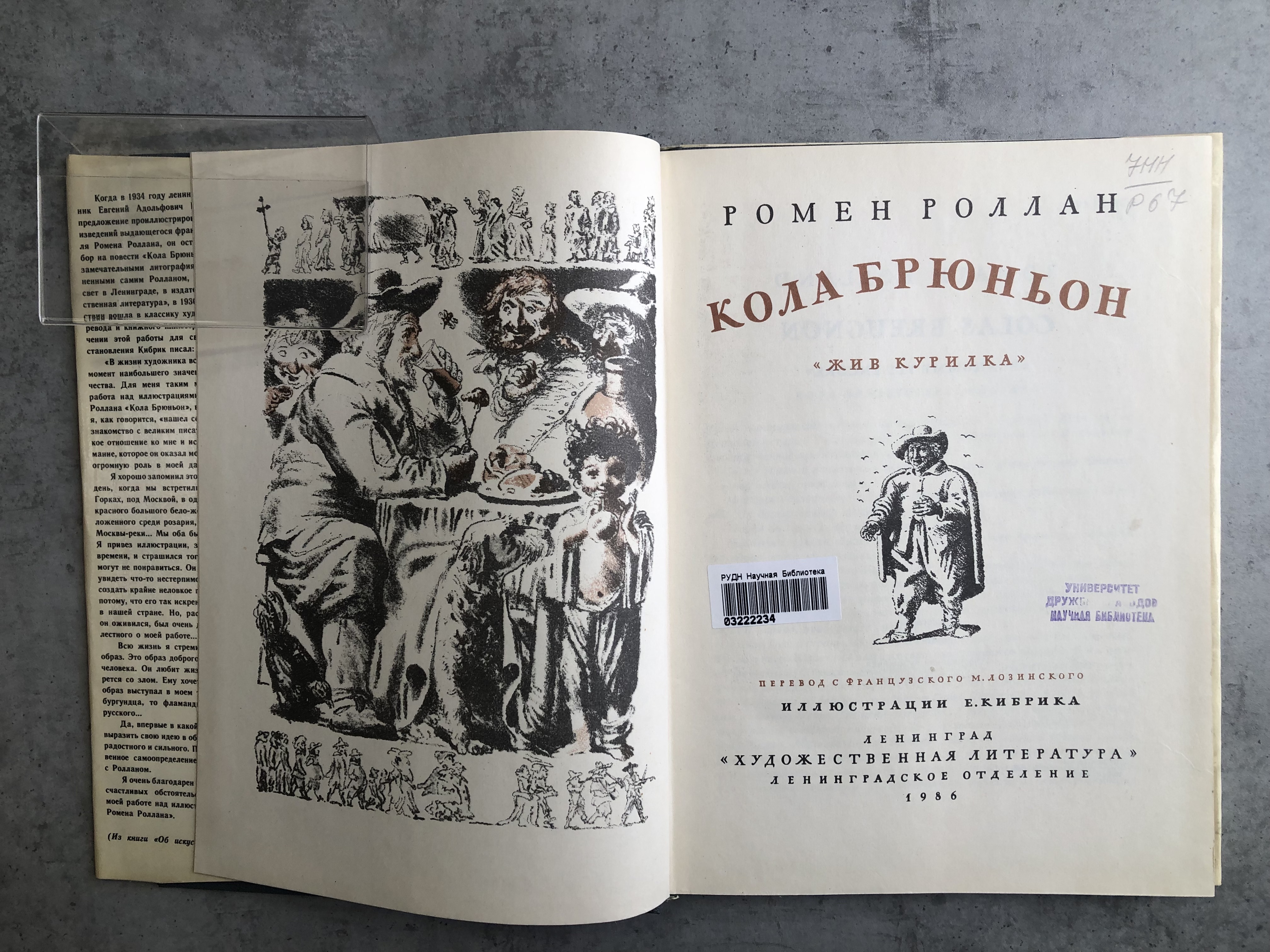
Romain Rolland and His “Childhood Friend” Beethoven
Discover how the French intellectual used the story of the deaf genius to create a manifesto on the triumph of the human spirit and received the highest literary award for it
“I fought against Christian pessimism, and Beethoven helped me in this struggle. But above all, my assistant was Christophe, my son… a hero of the Beethoven type” (R. Rolland).
Romain Rolland (1866–1944) was a French writer, Nobel laureate, playwright, musicologist, and public figure.
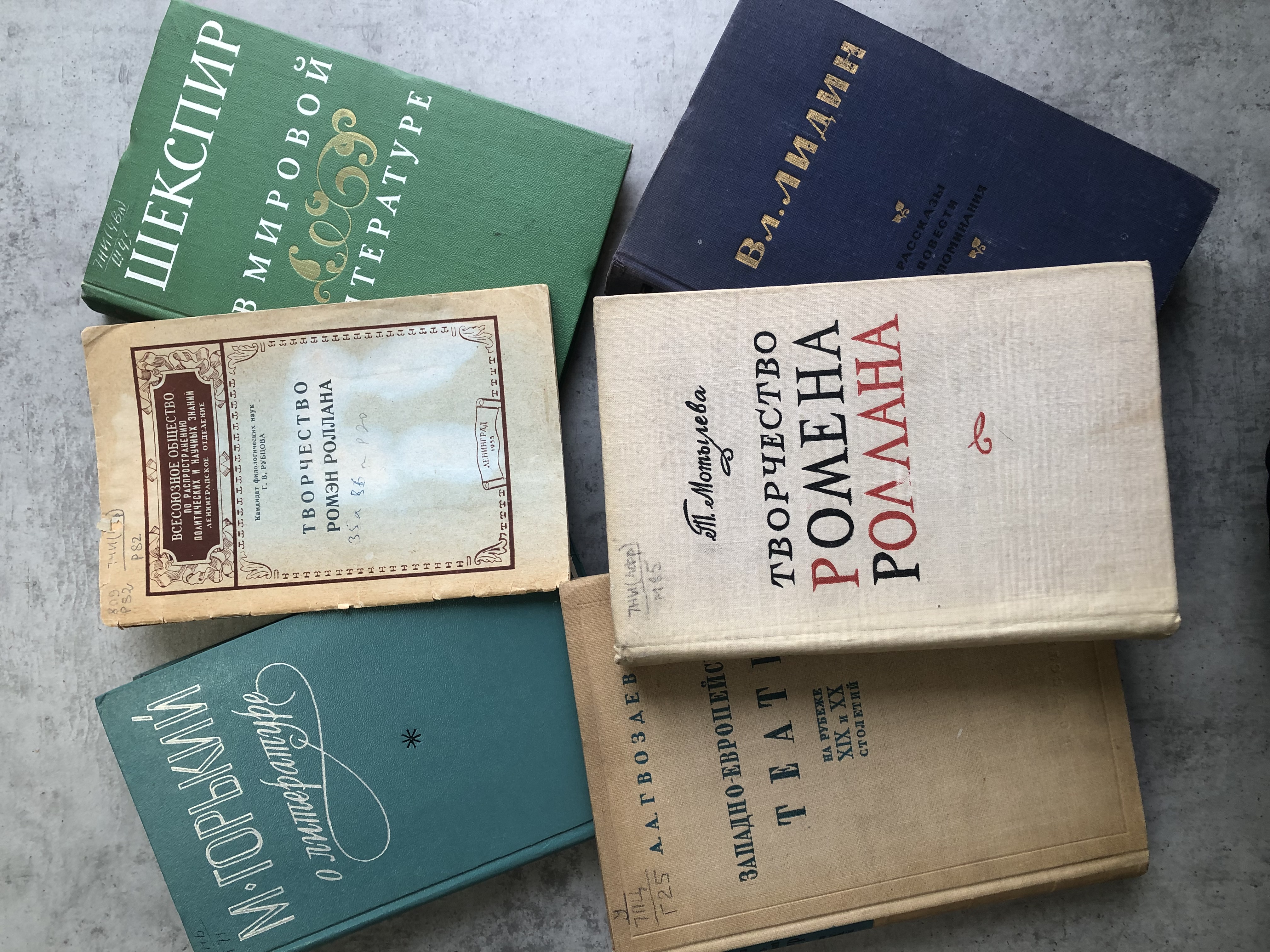
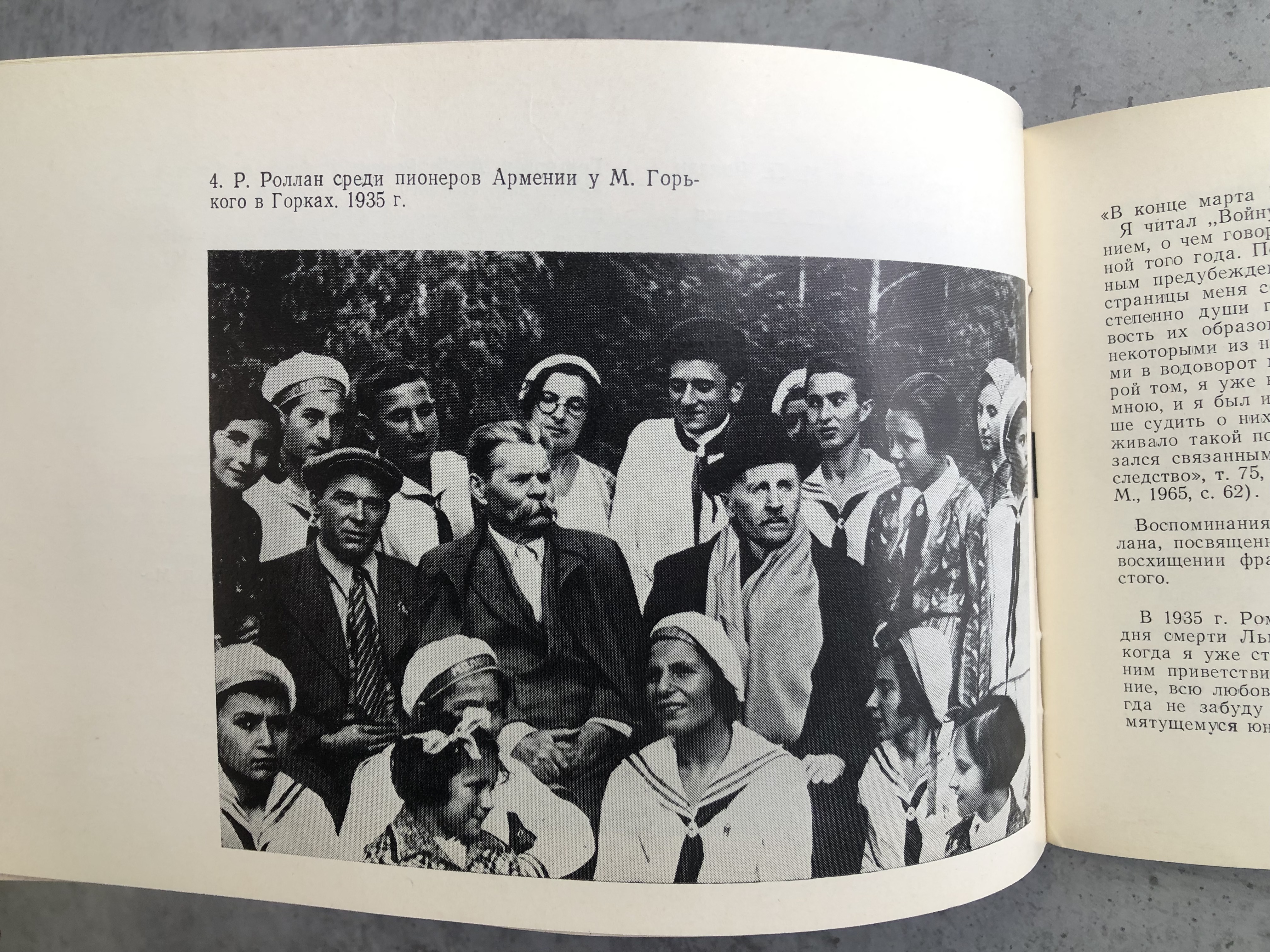
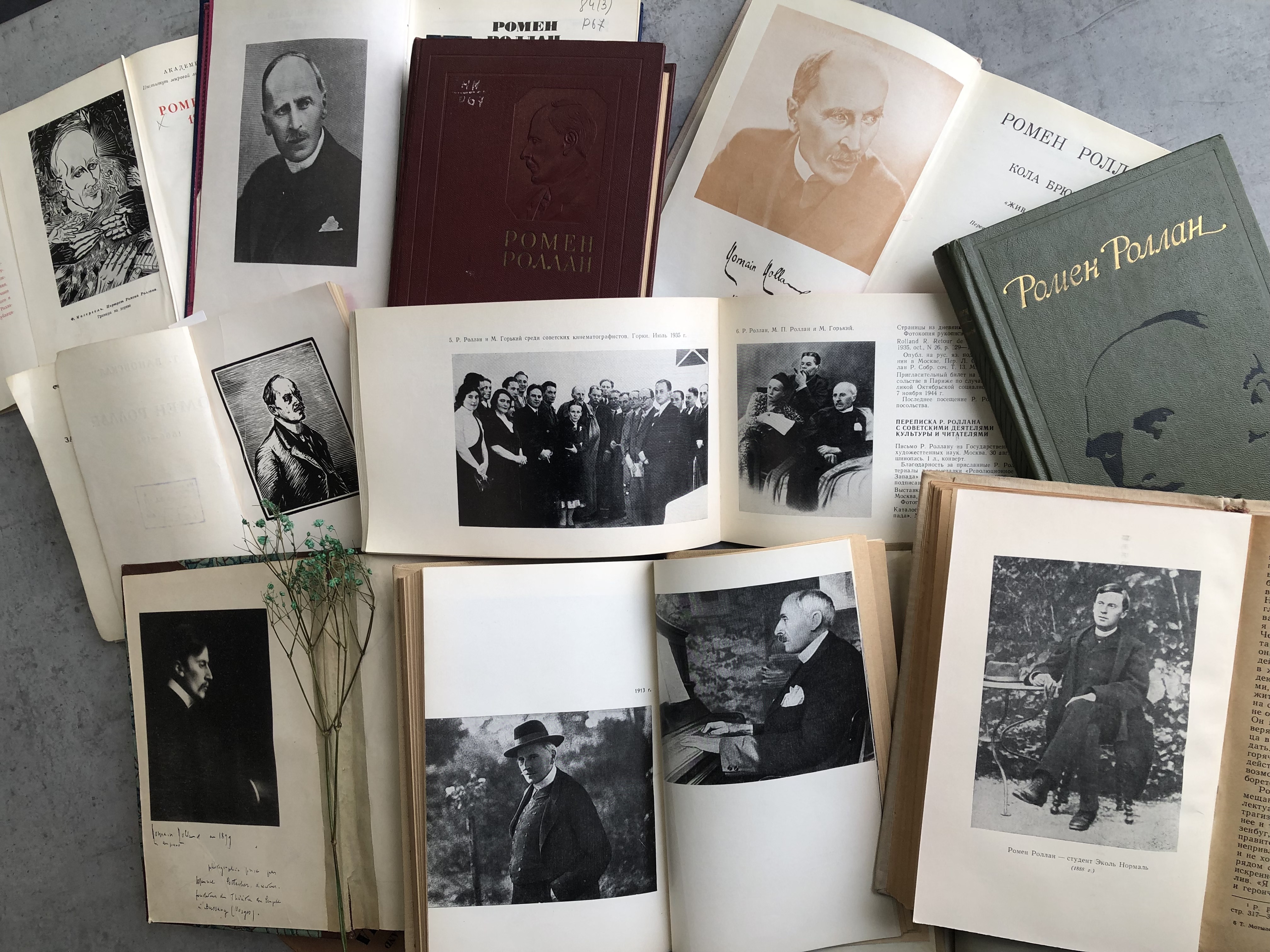
After visiting Moscow (1935), Romain Rolland also became an honorary pioneer and… began studying Russian. Rolland came at the invitation of Maxim Gorky (1868–1936). Their correspondence began with Gorky’s proposal to write a biography of Beethoven for children. You can see these first letters (1916) by opening the final volume of Romain Rolland’s Collected Works (1954–1958).
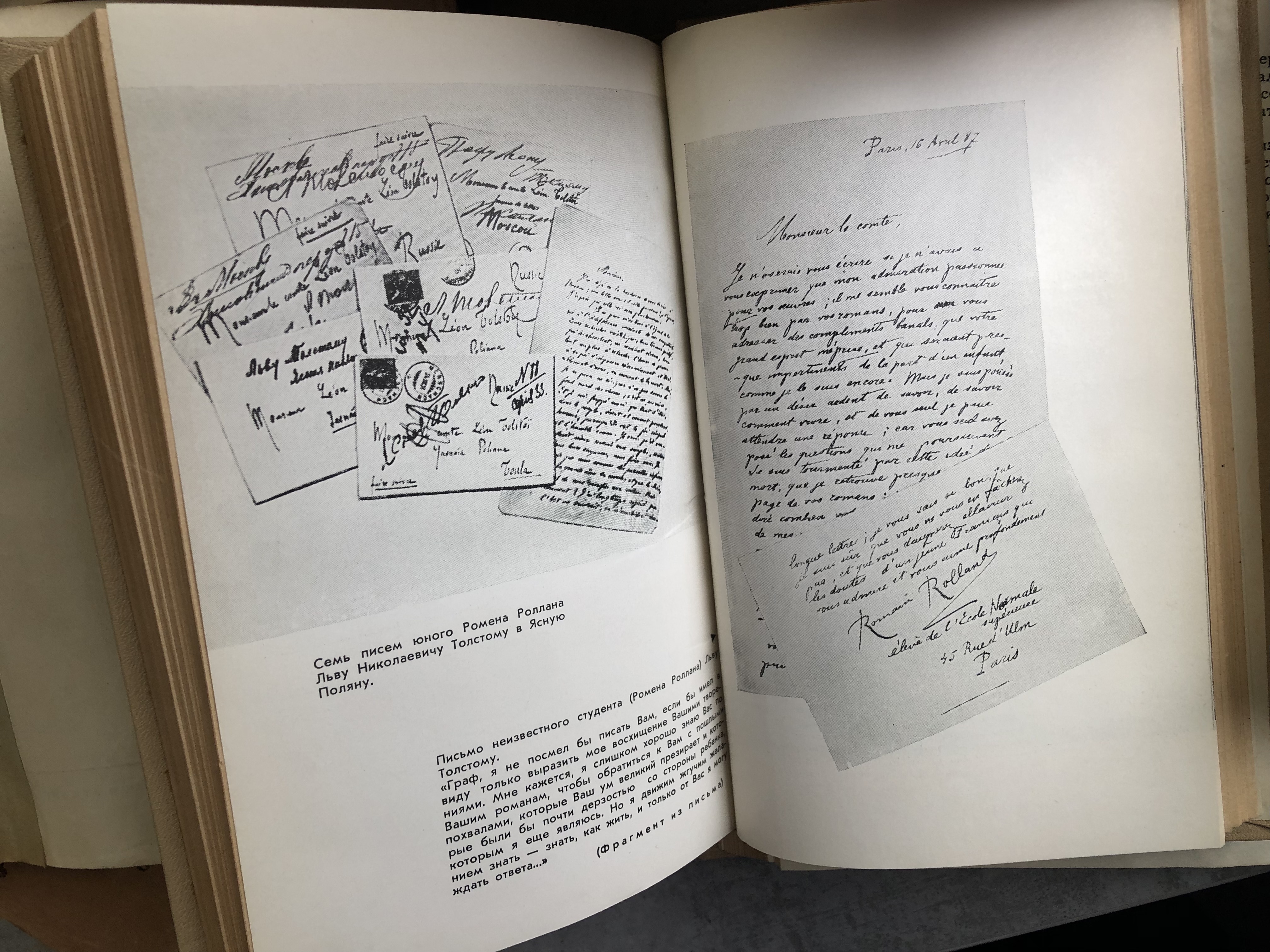
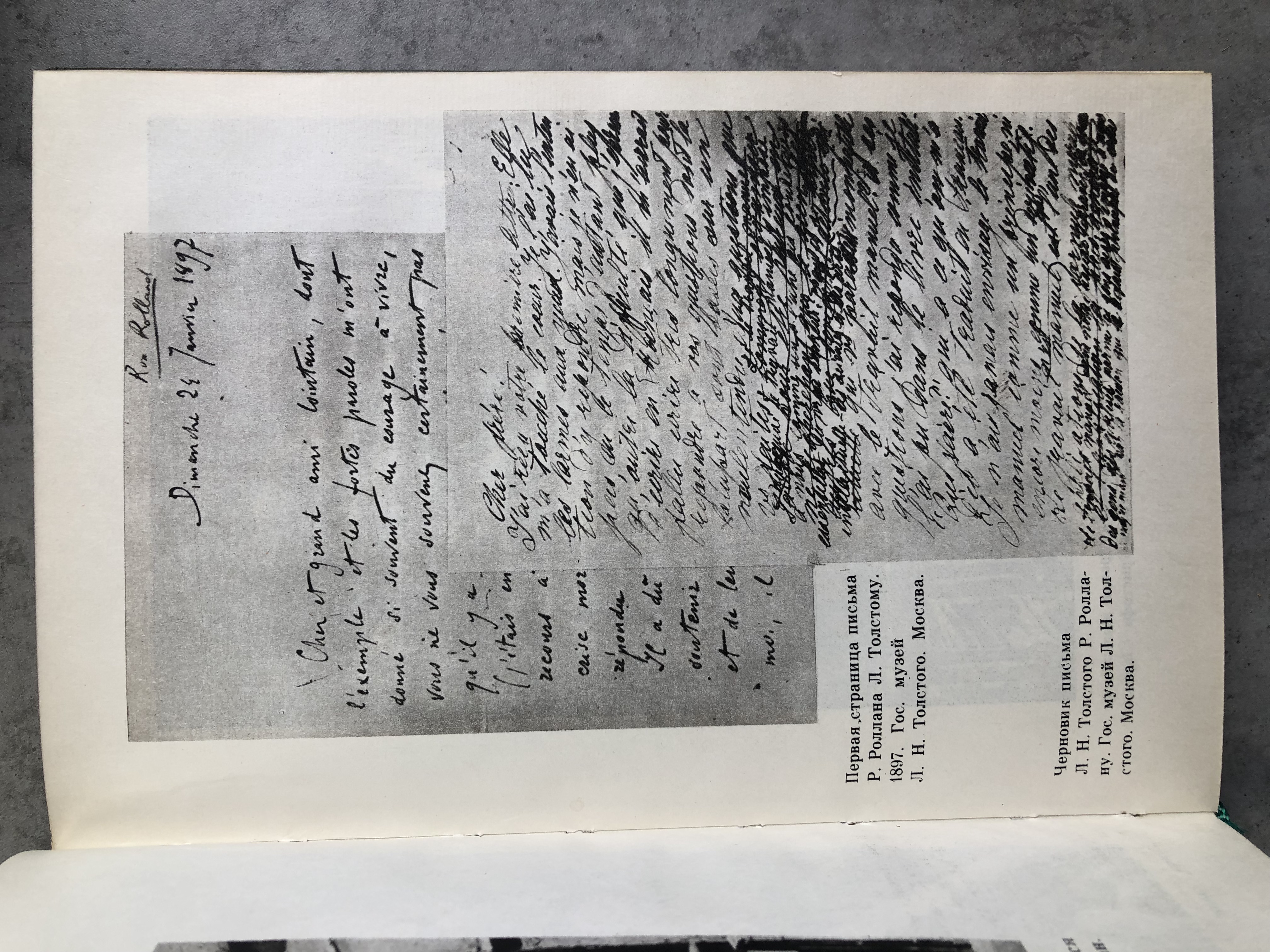
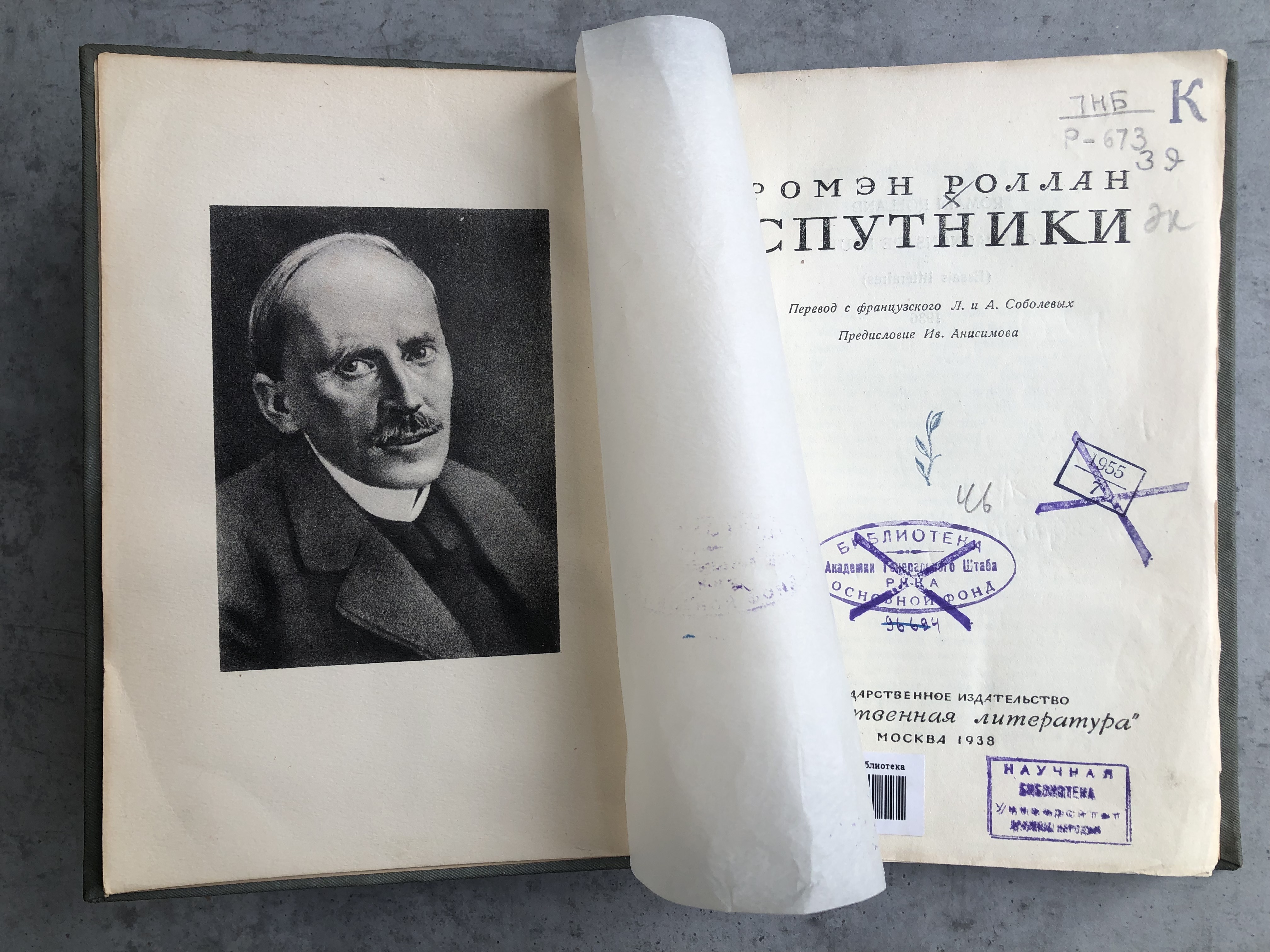
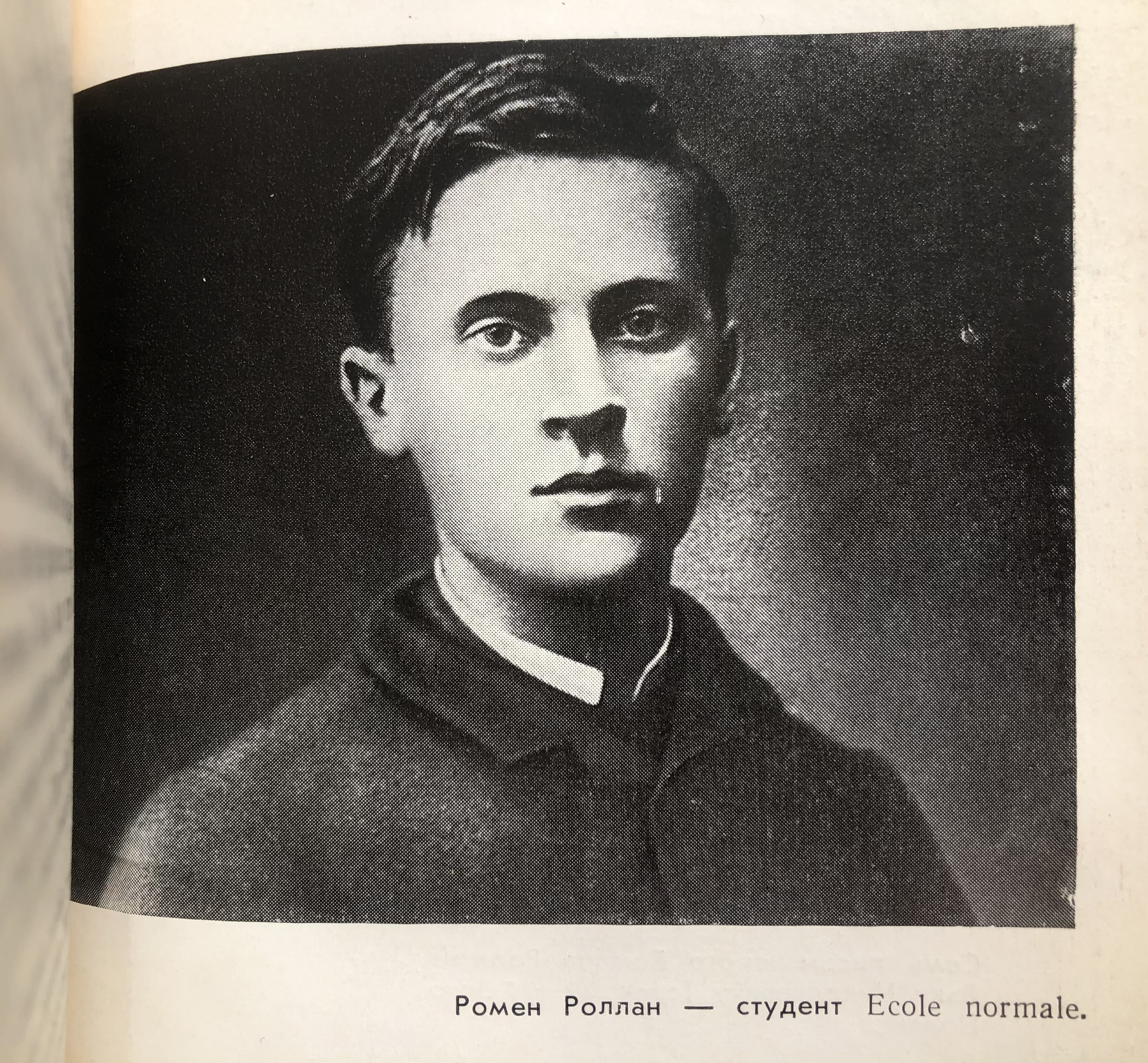
From his student years, Rolland met and corresponded with many famous contemporaries, including Victor Hugo (1802–1885), Ernest Renan (1823–1892), and Leo Tolstoy (1828–1910). Evidence of this can be found in the first Russian edition of the collection “Companions” (1938).
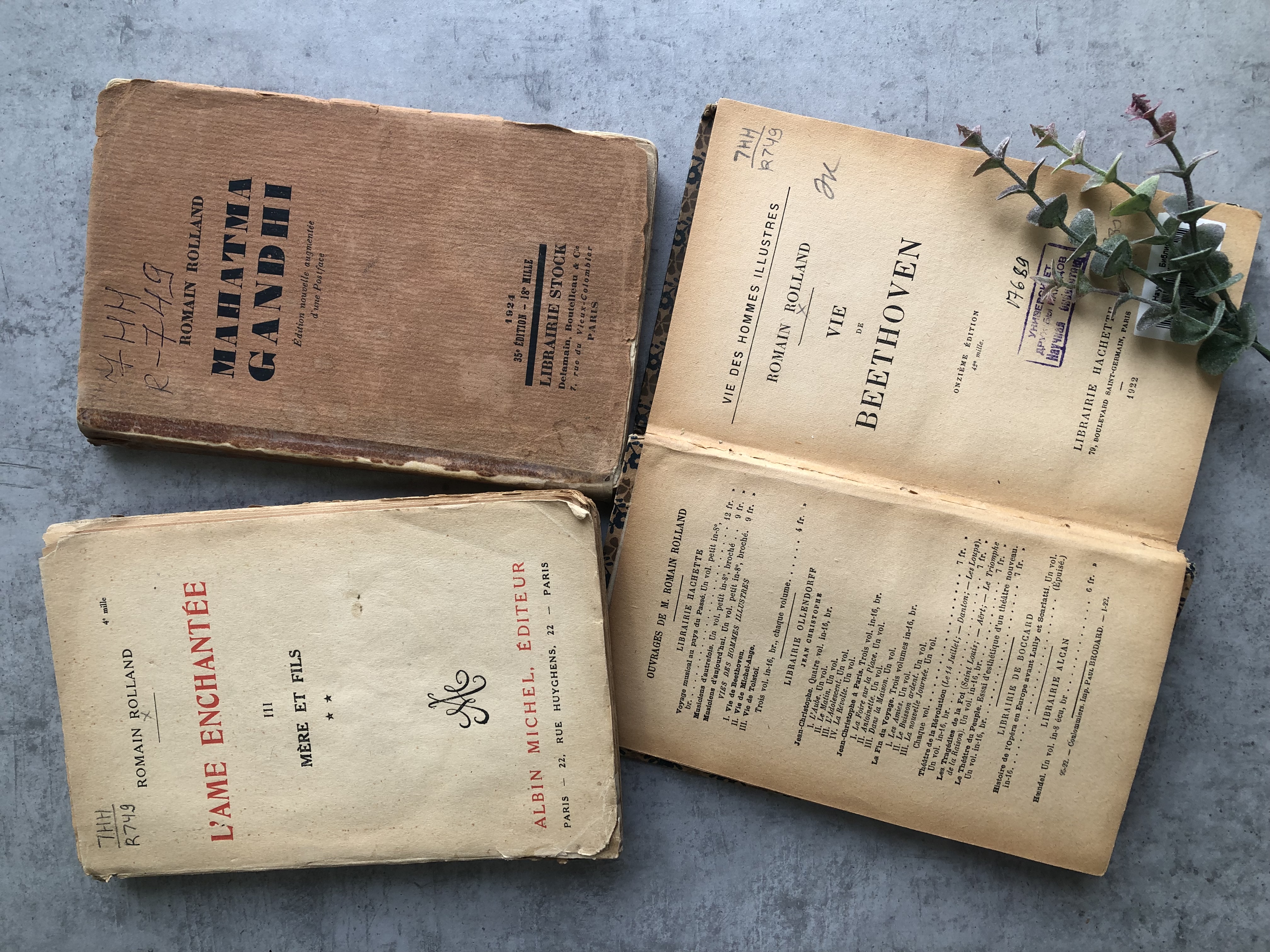
Ludwig van Beethoven (1770–1827) was his “childhood friend.” With “The Life of Beethoven” (Vie de Beethoven, 1902), published in the student journal “Cahiers de la Quinzaine” (1903), began the literary fame of Rolland, a professor of music history. A reprint of his “Vie de Beethoven” (1922) is held in the “Rare Book” museum.
The subsequent publication of the epic novel “Jean-Christophe” (1904–1912) earned the author the Nobel Prize (1915). Get to know Jean-Christophe in the RUDN Library by opening the volumes of Rolland’s Collected Works (1954–1958; 1974; 1983). Here, you can even find a fragment of the writer’s last monumental work about Beethoven.
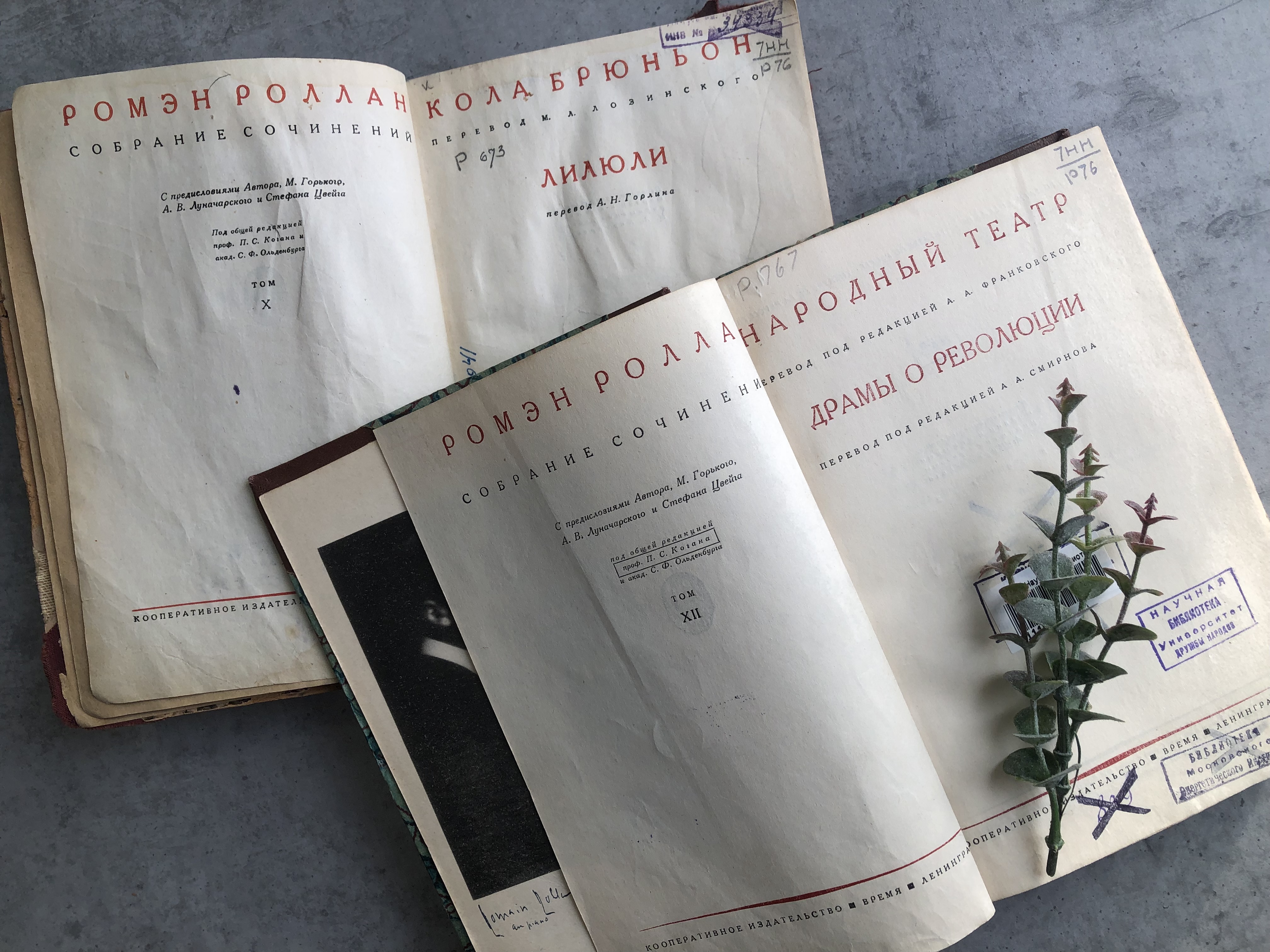
Nearby are two volumes from the world’s first Collected Works of Romain Rolland (Leningrad, 1932), which the author prepared together with Maria Pavlovna Kudashova (1895–1985), a representative of the publishing house “Vremya,” who later became his wife. The royalties from this publication Romain Rolland directed to be given to Moscow students.