27.03.2026
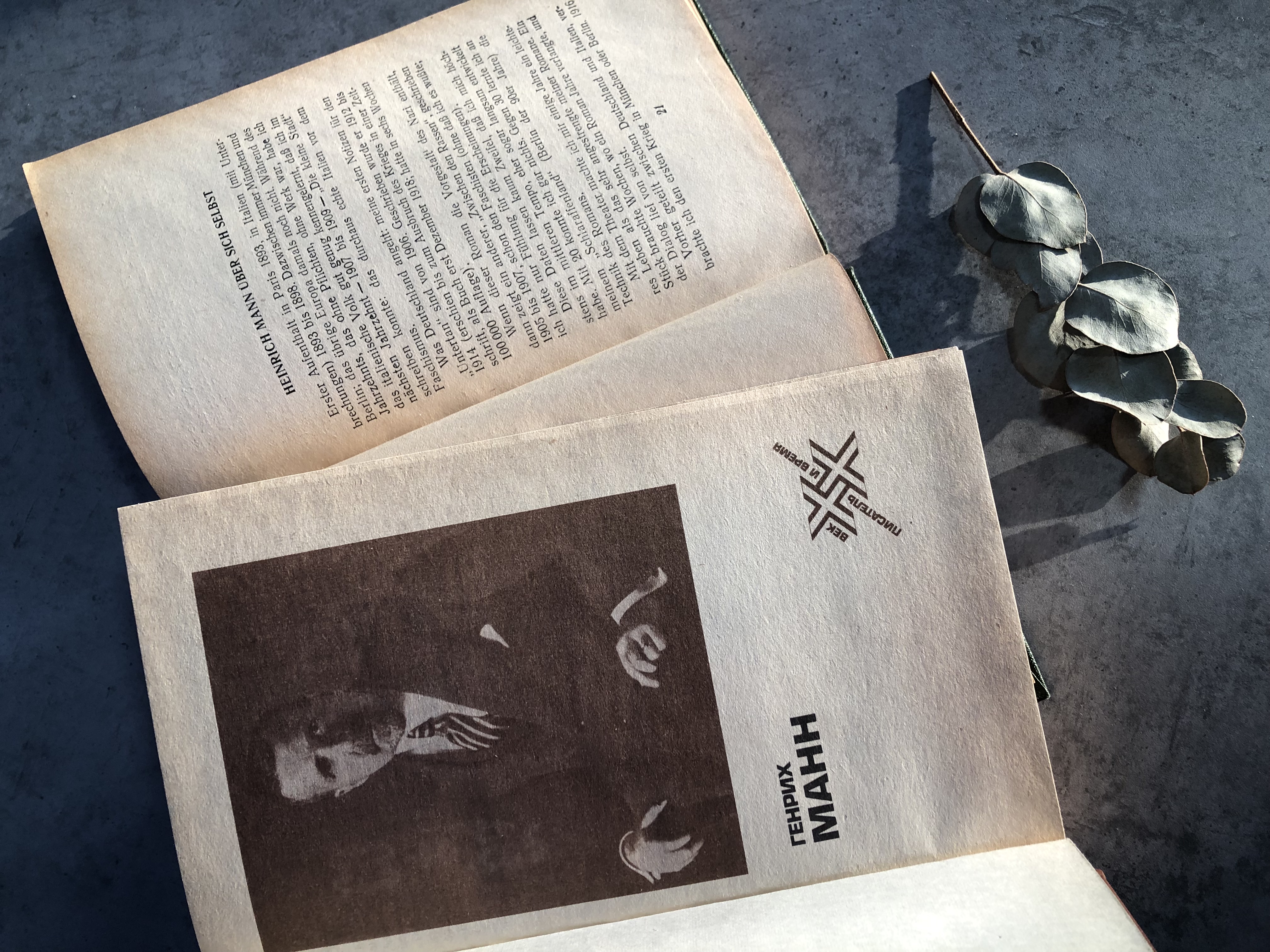
Heinrich Mann
The Writer Whose Books Were Burned, But Not Destroyed
“France has given me love throughout my entire life. I cherish it as a historical phenomenon until my very last day.” — Heinrich Mann (1871–1950), German writer and publicist.
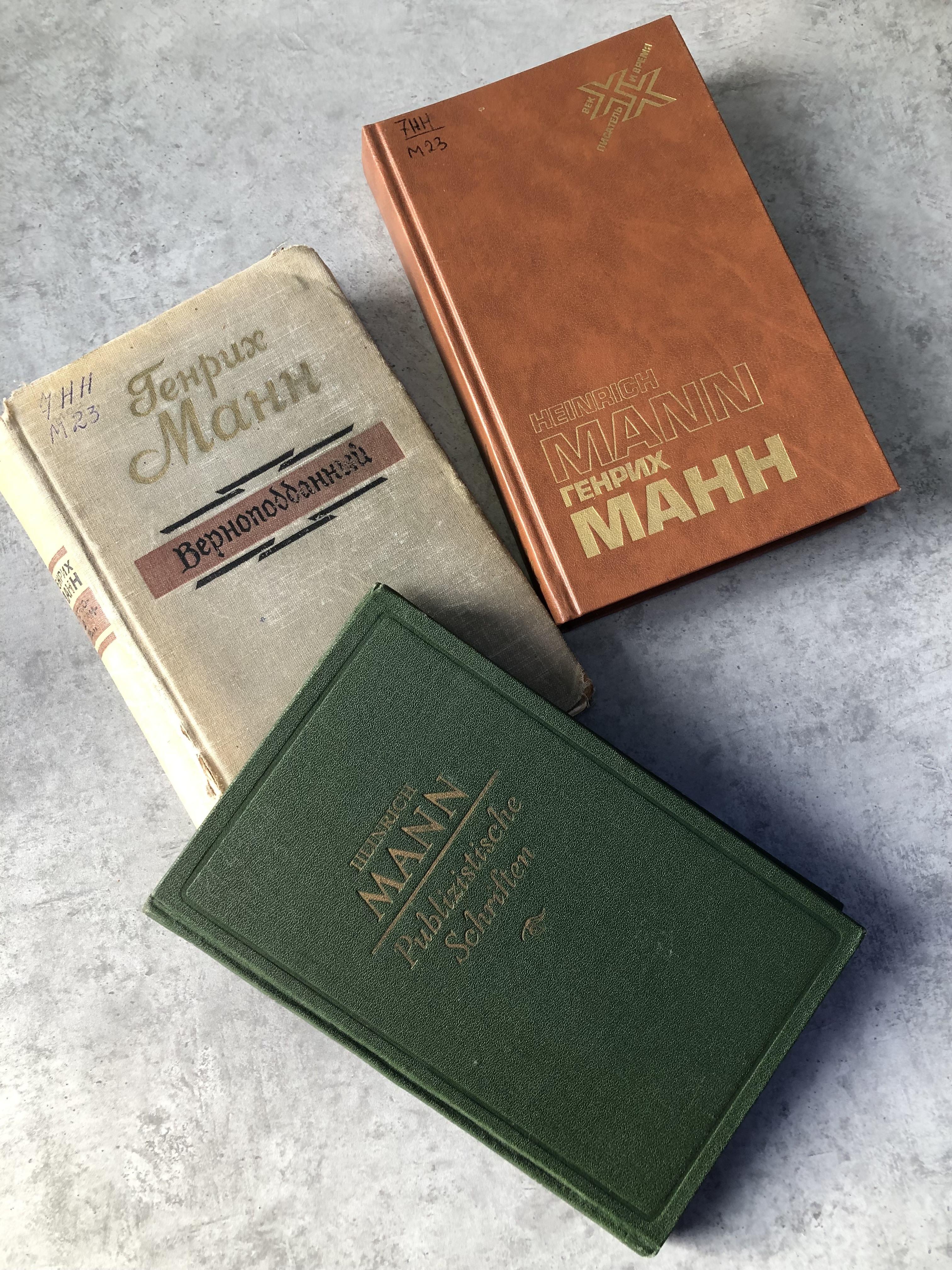
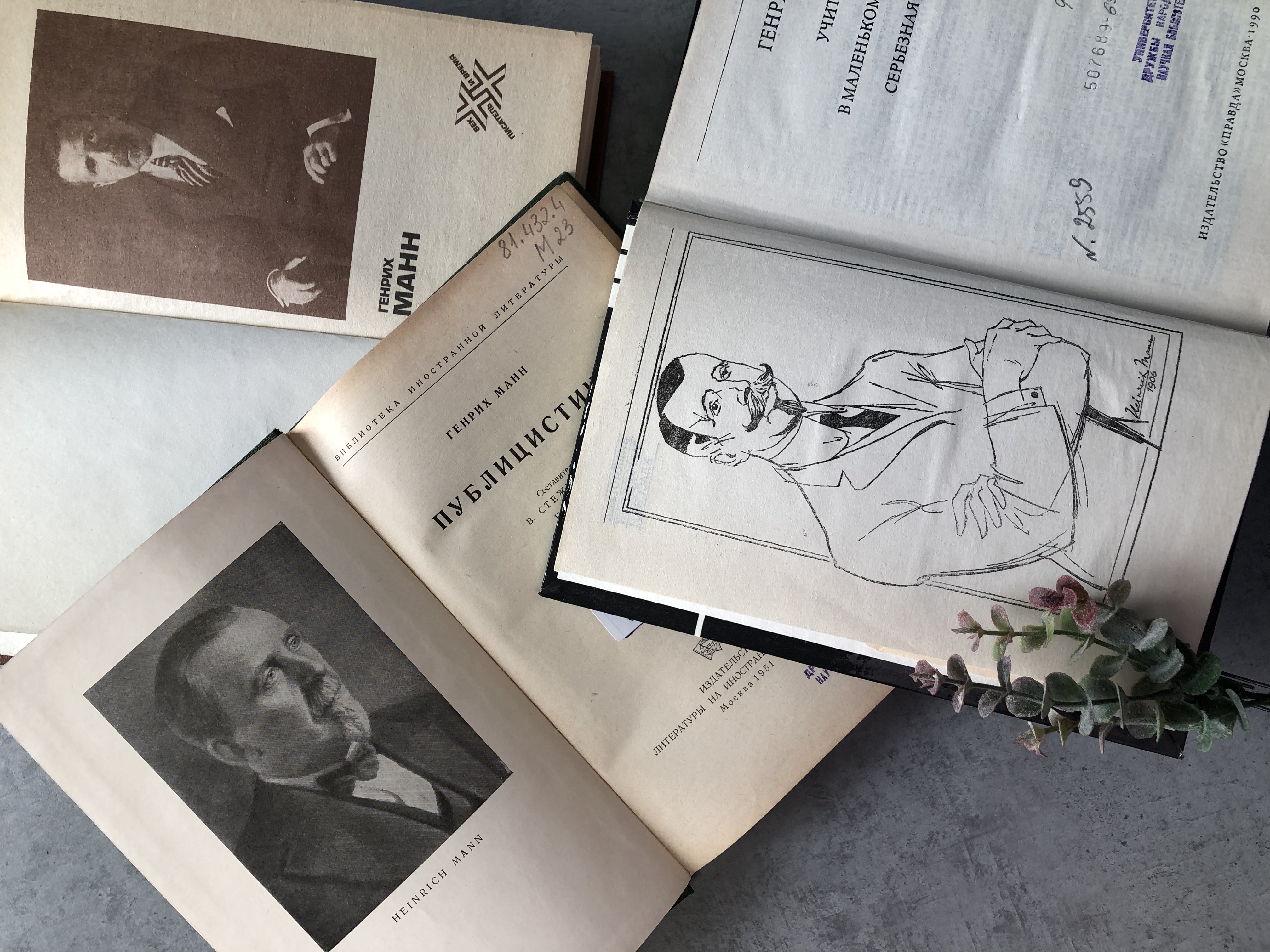
His brief autobiography, begun with his journey to Paris in 1893, can be found in the collection Publizistische Schriften (1951) at the RUDN University Library.
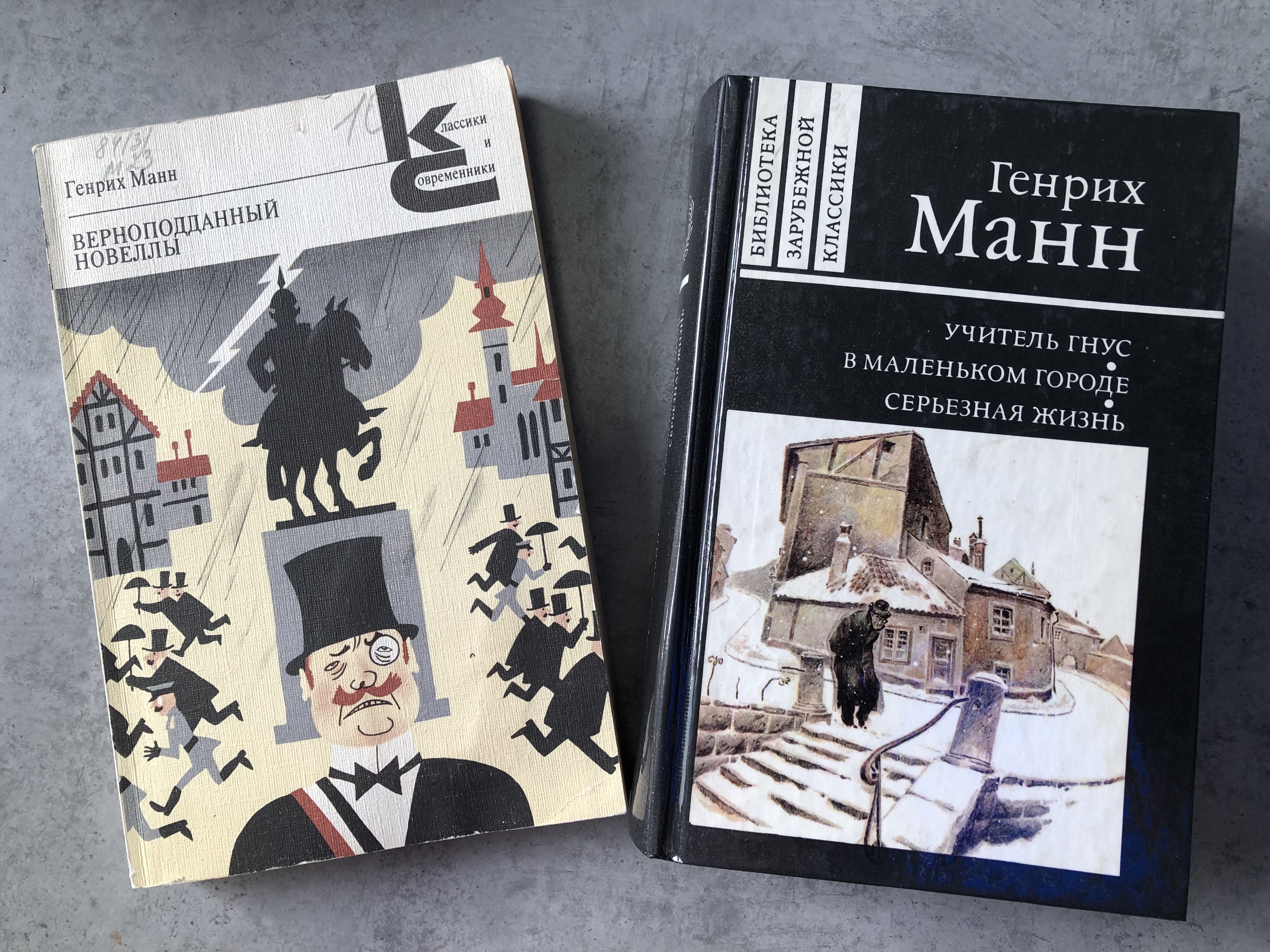
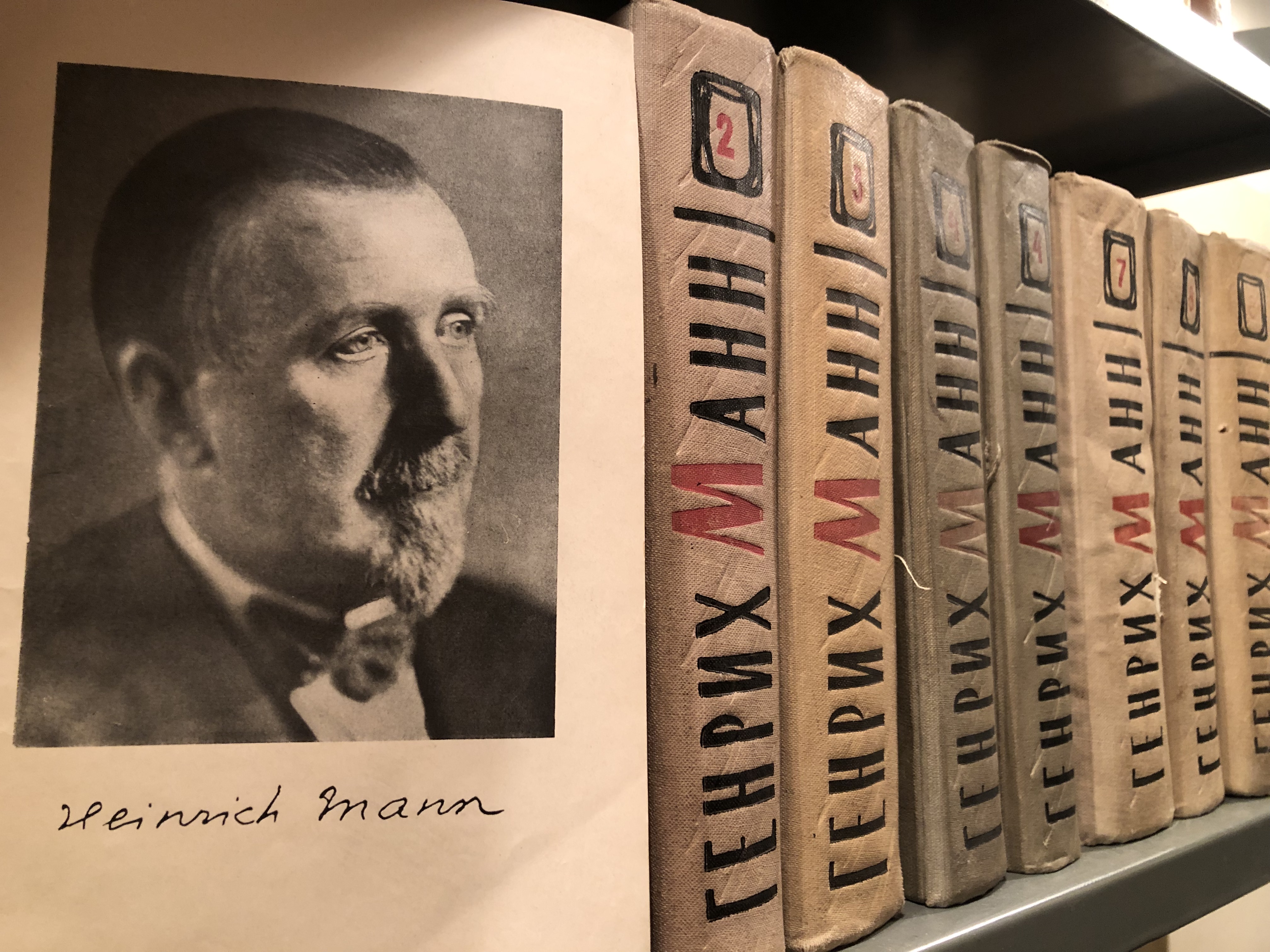
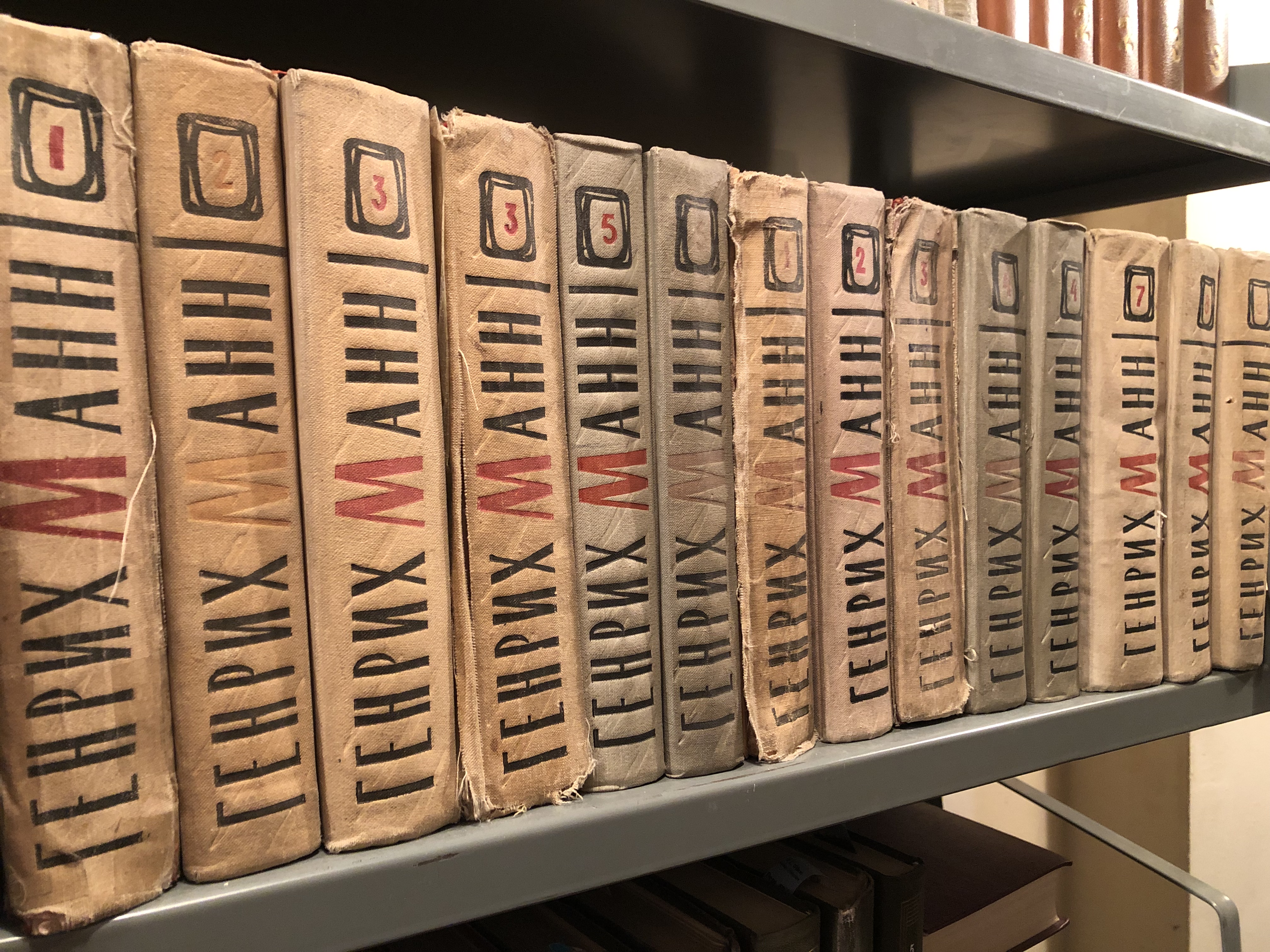
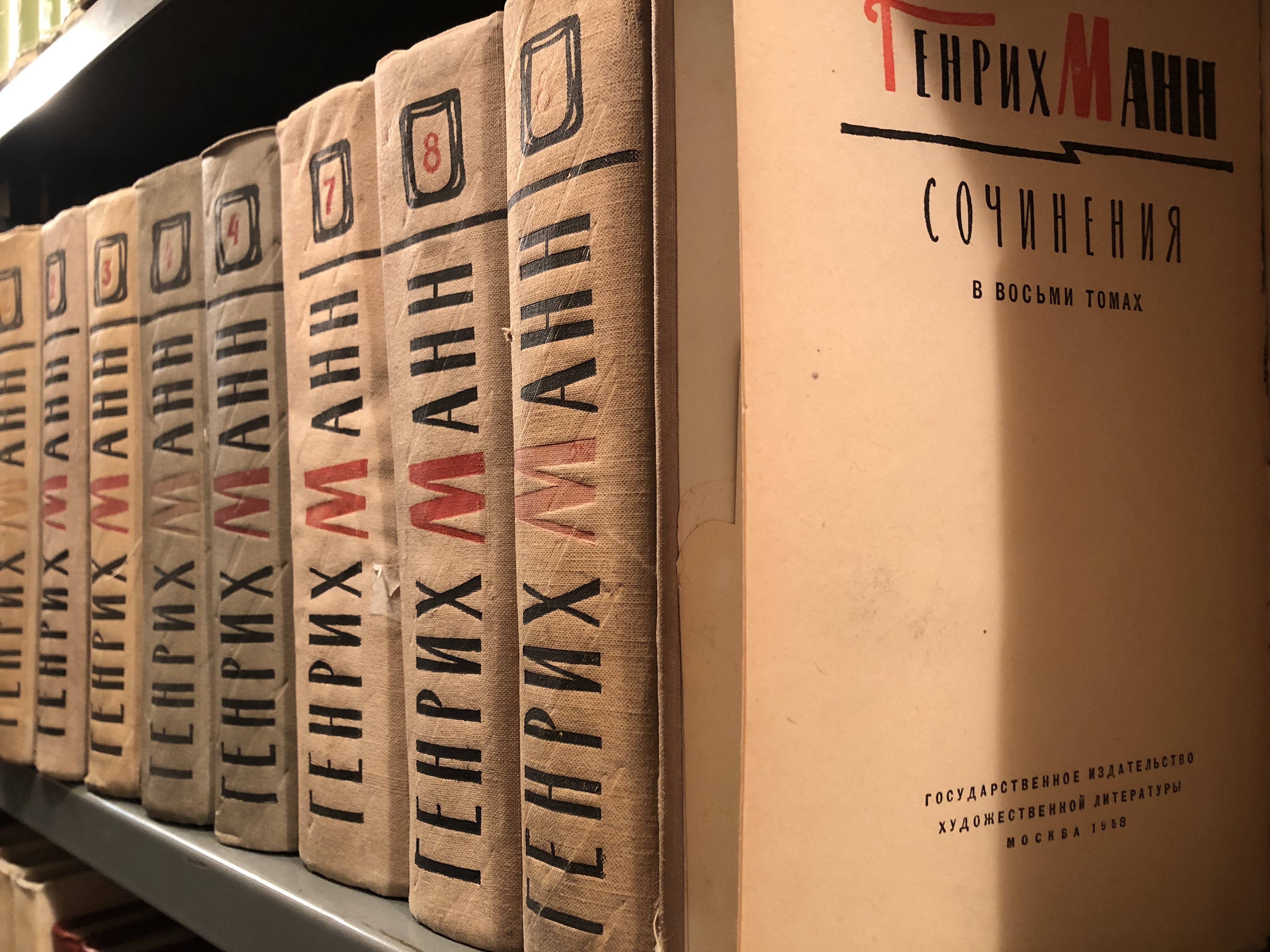
Alongside his younger brother, Thomas Mann (1875–1955), Heinrich frequently traveled through France and lived for extended periods in Italy (1893–1898). Read his novellas and the novel The Little City (Works in Eight Volumes, 1957–1958), a passionate and romantic portrait of Italy before the rise of Benito Mussolini’s dictatorship.
Heinrich Mann foresaw the emergence of Nazism in his novel Der Untertan (The Loyal Subject, 1914). The full text was first published in Russia, in the journal Sovremenny Mir (1914), translated by Adel’ Polotskaya (1880–1944). A 1952 edition of her translation is held in the RUDN University Library; translations by I.A. Gorkina are also available.
Among Heinrich Mann’s essays on great French writers is In Defense of Culture (1986). His seminal essay Zola (1915) served as a manifesto of the democratic writer and, alongside The Loyal Subject, became a catalyst for conflict—with his brother first, and later with the government of the Third Reich (1933).
Heinrich Mann was stripped of his German citizenship, his property was confiscated, and his books were burned.
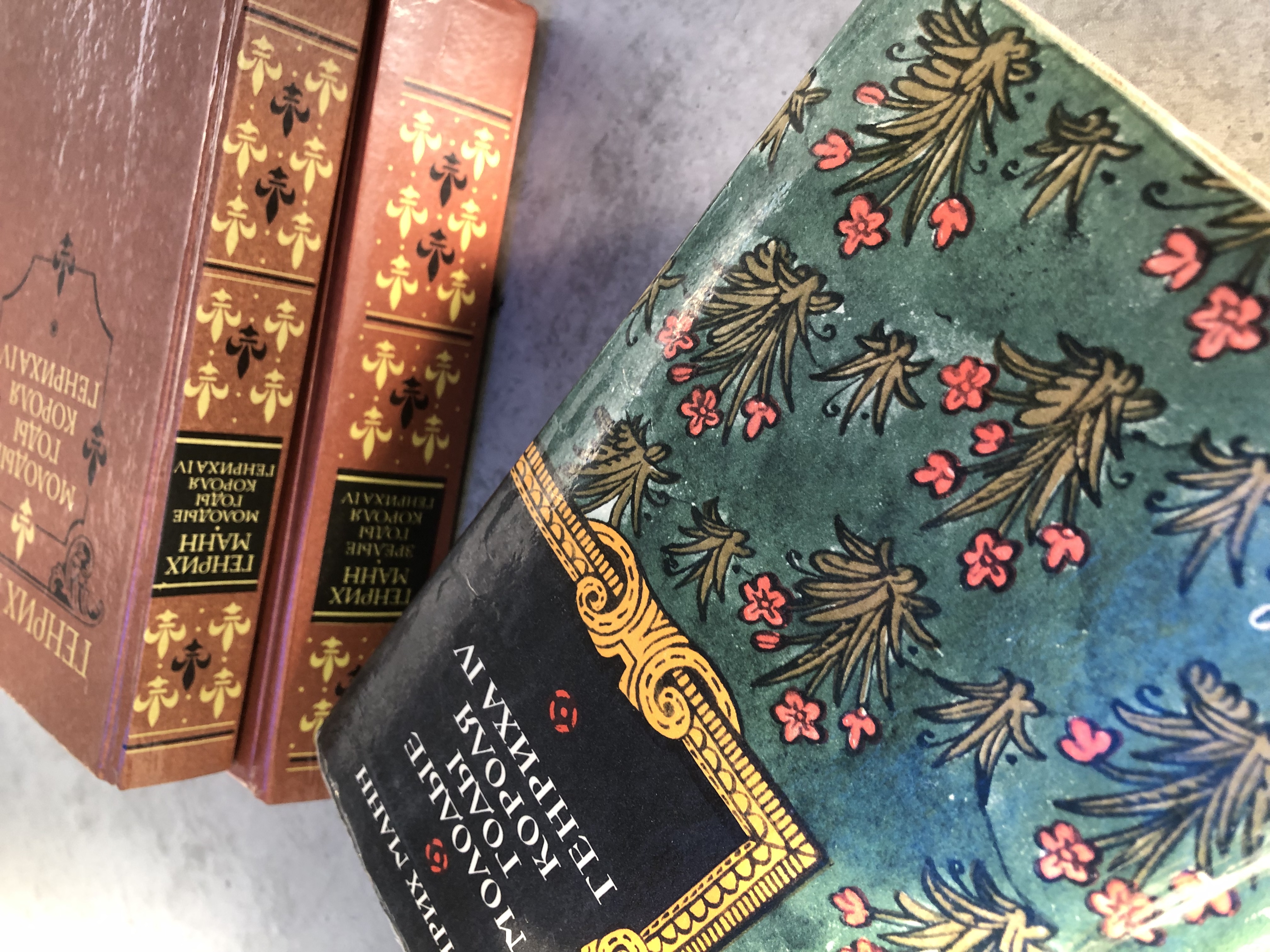
In France—the center of anti-fascist emigration—he composed a diptych on the “people’s king,” Henry IV. He supplemented The Young Years of King Henry IV (1935) with Moralité—written in the French of the Renaissance, the very language of his legendary hero.
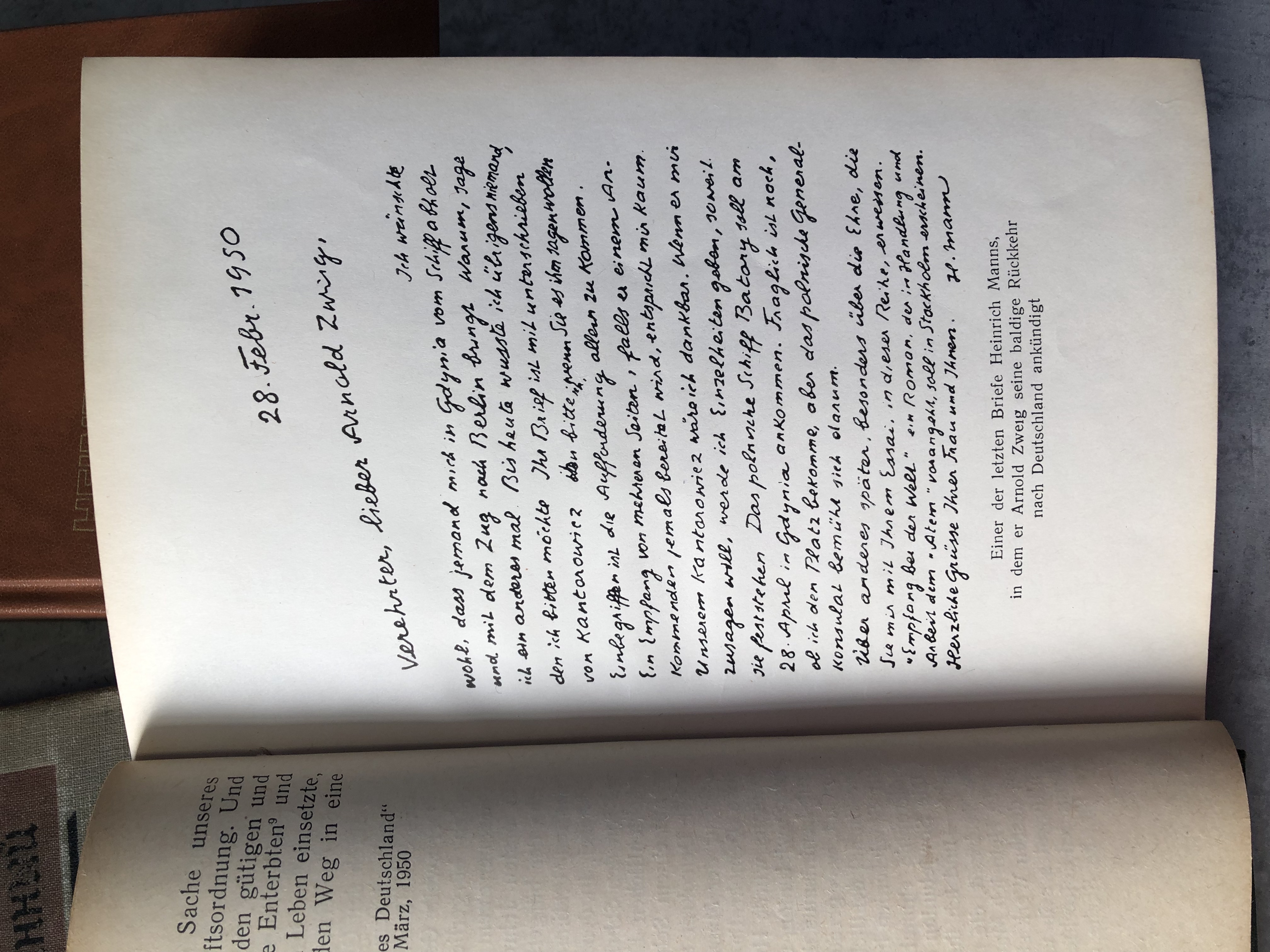
His final novels were written in America. In Publizistische Schriften, you will find a photocopied letter dated April 28, 1950, outlining his plans to return to Berlin via the Polish port of Gdynia.