09.12.2024
The Future of Architecture: Books That Inspire
Egor Orlov an architect and educator, shares his insights on books that explore architectural concepts and futuristic ideas
This list features works that have the potential to transform our perception of urban environments and design:
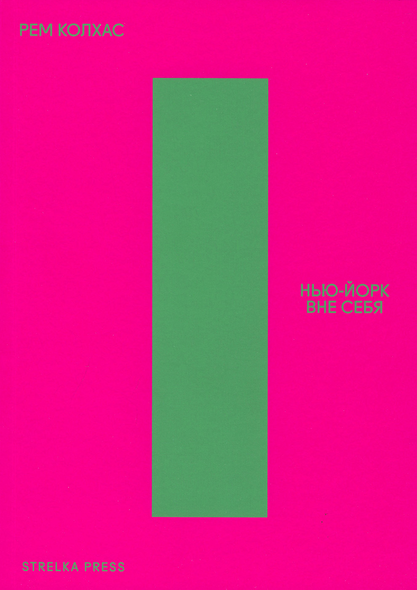
“Delirious New York: A Retroactive Manifesto for Manhattan” - Rem Koolhaas
The author examines the phenomenon of “Manhattanism.” Within this framework, the city is depicted as a complex living organism. By surgically dissecting skyscrapers, akin to whimsical architectural monsters, Koolhaas uncovers intricate robotic landscapes within them. A memorable story recounts how a wealthy resident of the upper floors desired a live cow for her party — and it had to be delivered via a convoluted route through the building's engineering pathways.
“Giantism, or the Problem of the Big: The Generic City. The Garbage Space” - Rem Koolhaas
“The rabbit is the new beef!” — thus begins three radical essays on the contemporary city.

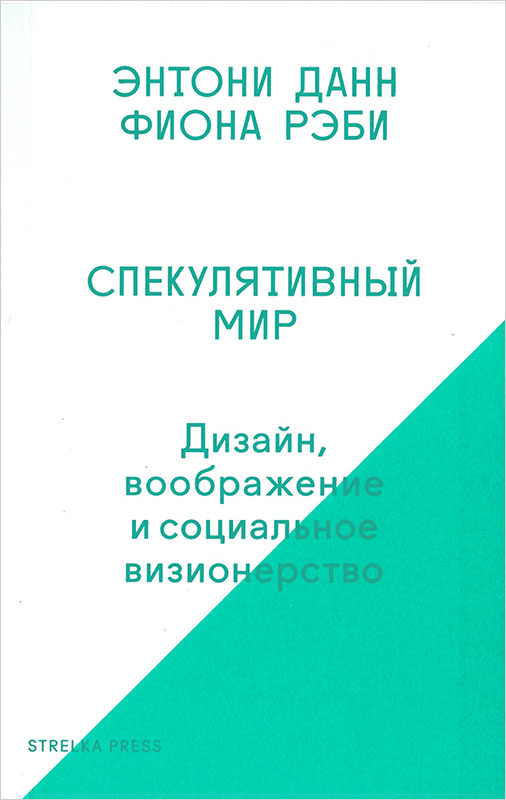
“Speculative Worlds: Design, Imagination, and Social Visioning” - Anthony Dunne and Fiona Raby
This book discusses “speculative design.” At its core lies social forecasting, with the fundamental mechanism of design being the construction of “What if?” scenarios. Thus, the authors do not attempt to predict the future but rather construct hypothetical worlds and engage in play within them.
“The Why Factory” - Winy Maas
Dutch architect Winy Maas teaches an architecture course at Delft University of Technology, where he collaborates with his students to develop models of future cities. Each such exploration is presented in the format of a large book. For instance, in my collection, there is “Skycar City” — a future city shaped by various flying mechanisms.
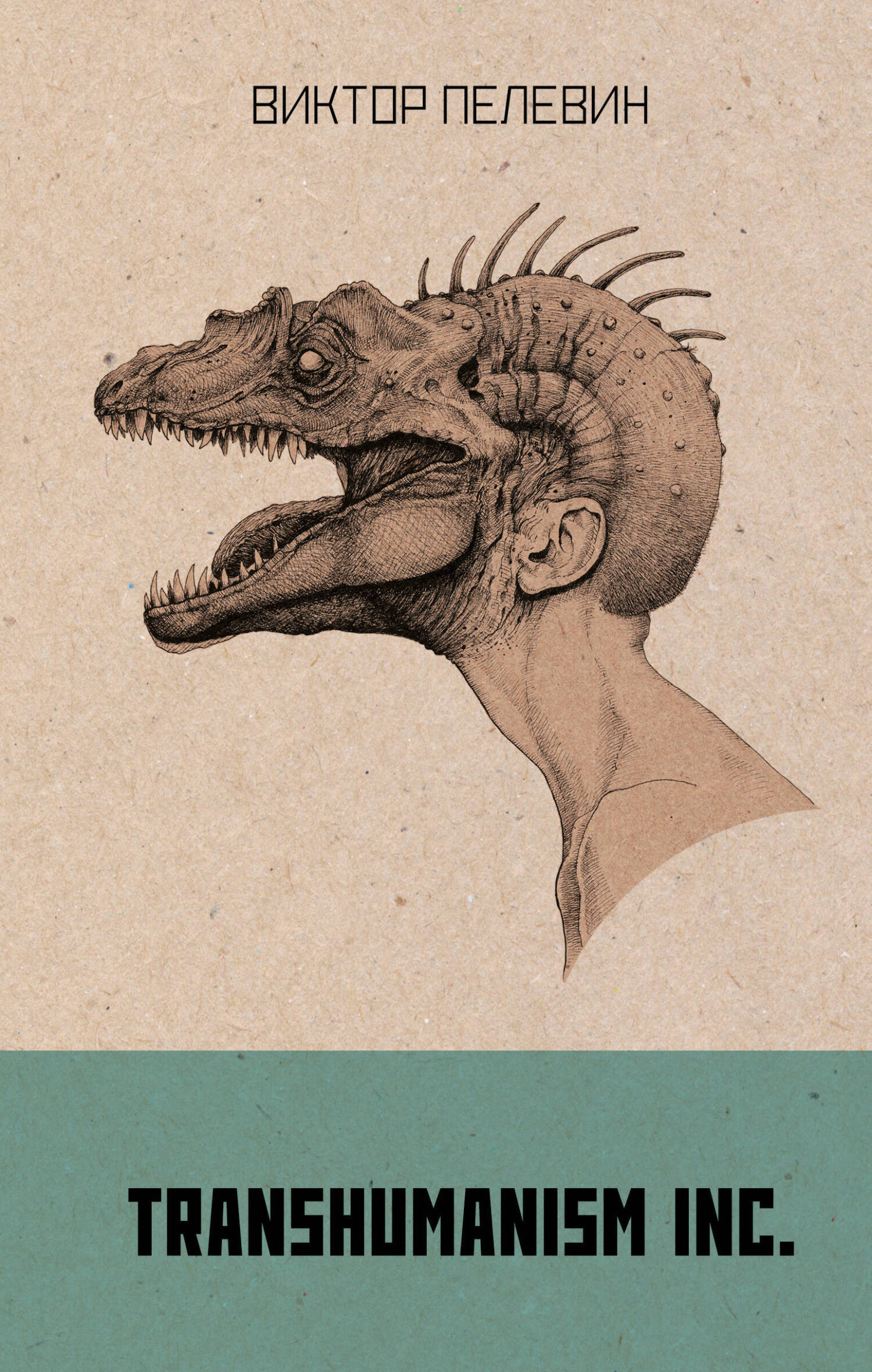
“Transhumanism Inc.” - Viktor Pelevin
Pelevin is my favorite author! This book begins a series dedicated to the future, where humans live in banks and travel through virtual worlds.
“The Hermetic Garage” - Moebius
An unprepared reader opening “The Hermetic Garage” might conclude that its author has lost his mind. Events unfold seemingly out of sequence, main characters abruptly disappear, only to be replaced by others. The dialogues are written in a strange style, peppered with terms that no one rushes to explain. Who are the deviant angels, the kidbergs, the bacalites? What are these “levels” about? What is this place, this era, this world?

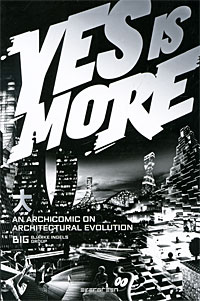
“Yes Is More: An Archicomic on Architectural Evolution” - Bjarke Ingels
This comic narrates the architecture of the future. The methods, processes, tools, and approaches to architectural concepts are as wild, limitless, and result-oriented as the world they inhabit.
"The Futurist Cookbook: A Manifesto by F.T. Marinetti and Fillia on Futurist Cuisine" - Filippo Tommaso Marinetti
A wild imagination exploring what the architectural cuisine of the future might be like.


To participate in the TOP-5 BOOKS section, send applications to ayibova-ev@rudn.ru — Your Academic Cat